


Hand Knotted Pillow
These hand knotted pillow selections are authentic tribal bag faces and cushions offering rich wool texture and enduring nomadic design.
Hand Knotted Pillow
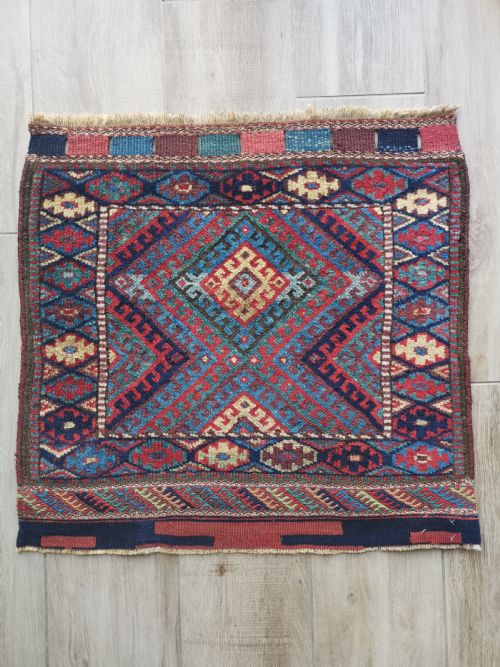
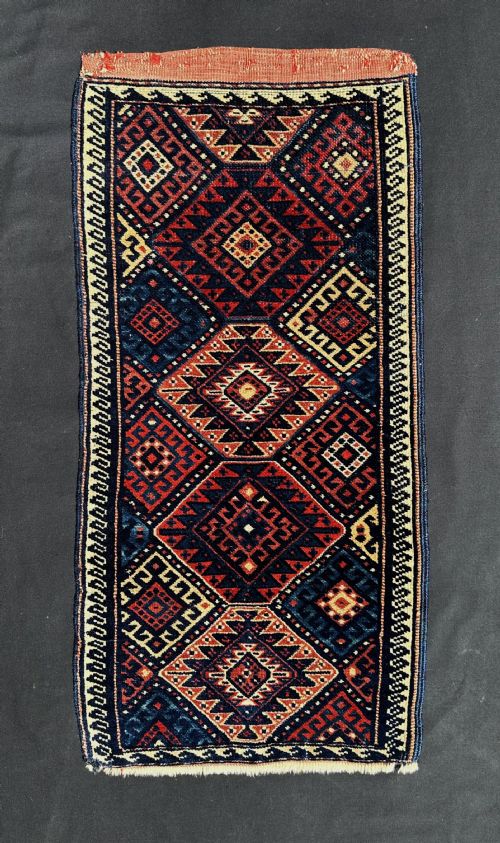
When you search for a hand knotted pillow, you are looking at antique tribal bag faces, cushions, and small storage textiles originating from nineteenth and early twentieth century Persian and Turkmen weaving traditions. These pieces often repurpose nomadic saddlebags, torbas, and chuvals into decorative cushions that retain their original wool pile and structural integrity.
You are most likely to meet Kurdish, Baluch, Ersari, and Tekke tribal examples on this page, reflecting distinct regional patterns and utilitarian origins. The forms range from square bag faces to elongated cushions, each carrying the authentic iconography of tribal workshops and nomadic households.
How they were made
These textiles rely on hand-spun wool knotted tightly onto cotton or wool foundation warps and wefts, creating a dense and resilient pile suited for daily use. Natural dyes provide the enduring palette, drawing on plant and mineral sources to achieve deep reds, blues, and earthy tones that age gracefully.
Nomadic weavers utilised asymmetric and symmetric knots, often finishing the reverse with plain weave wool backs or incorporating traditional kilim structures. The construction reflects utilitarian durability, designed originally to withstand the rigours of transport and storage on animal packs.
Many of these cushions started life as camel luggage before finding a quiet retirement on a modern sofa.
What varies in quality
The fineness of the knotting and the complexity of the tribal design dictate the upper tier of quality, alongside the clarity and saturation of natural dyes. Pieces with complete borders, intact plain weave backs, and well-preserved structural geometry demonstrate superior workshop discipline.
Wear across the pile and alterations to the original format influence the character of individual pieces, distinguishing densely packed village work from looser tribal output. The integrity of the wool spin and the vibrancy remaining in the natural dye palette separate standard utilitarian examples from exceptional collector pieces.
The Hand Knotted Pillow Glossary
- Bag-face
- The decorative front panel of a nomadic storage bag, frequently repurposed as a cushion or small wall hanging. This section typically displays the primary tribal motifs and finest knotting.
- Chuval
- A large tent storage bag produced by Turkmen and other tribal groups for household belongings. These items feature distinctive gul motifs arranged in ordered rows.
- Torba
- A medium-sized hanging storage bag used inside nomadic tents for smaller possessions. They often display horizontal formats with intricate border designs.
- Pushti
- A small mat or pillow-sized rug utilised for seating or leaning within traditional nomadic dwellings. These pieces share construction traits with larger tribal rugs.
- Gul
- An octagonal medallion or repeating floral motif characteristic of Turkmen and related Central Asian tribal weaving. Each pattern often identifies a specific clan or lineage.
Hand Knotted Pillow: Frequently Asked Questions
How were these tribal bags used?
Nomadic tribes utilised these bags for transporting and storing household goods, bedding, and provisions during seasonal migrations.
They hung inside tents or strapped onto pack animals before later being adapted into decorative home furnishings.
How do I care for antique wool cushions?
Protect antique wool cushions from direct sunlight to prevent natural dye fading and gently vacuum using a low suction setting without a beater bar.
Professional textile cleaning is recommended when necessary to preserve the delicate hand-spun wool pile.
How can I tell different tribal designs apart?
Tribal designs are distinguished by specific regional motifs, such as the octagonal gul patterns of Turkmen weavers or the geometric layouts of Baluch and Kurdish groups.
Examining the colour palette, knot structure, and wool preparation also helps identify the specific geographic origin.