


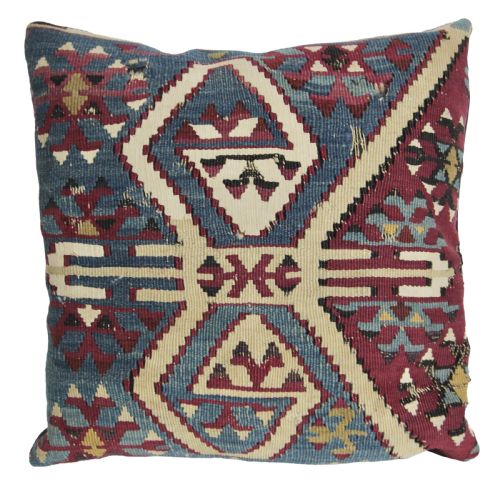

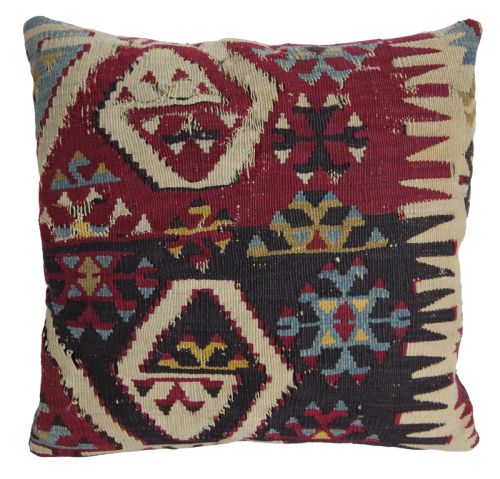

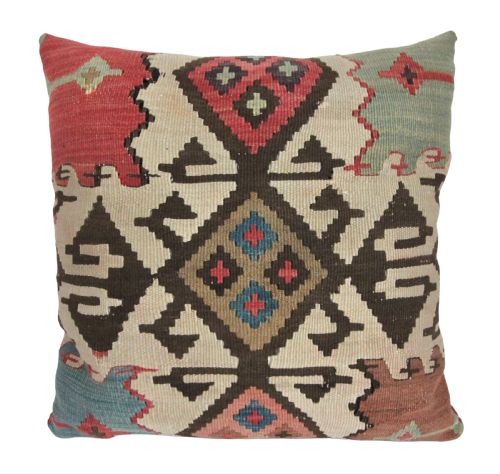
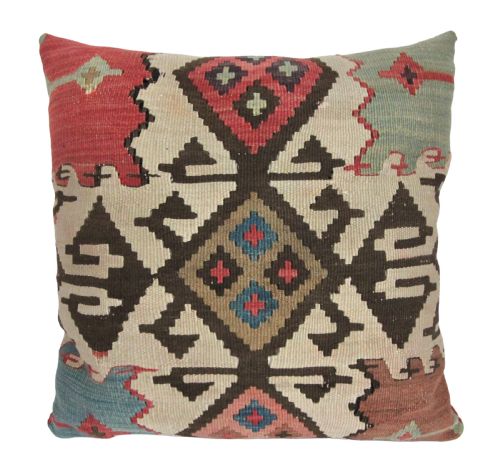


Traditional Woven Pillow
These traditional woven pillows are tactile textiles fashioned into cushions, offering authentic historical texture and pattern for your interior scheme.
Traditional Woven Pillow
When you search for a traditional woven pillow, you are looking at utilitarian textiles that have been repurposed into cushions and throw cushions. These pieces draw from Anatolian Tribal, Turkmen, and Persian traditions, alongside French Chateau styles. They bring historical textile artistry directly into modern living spaces.
The version you are most likely to meet on this page is the antique kilim cushion, dating from periods such as the mid-nineteenth century. Alongside these, you will find bag faces, torba faces, and saddle bags adapted into soft furnishings. These items originate from diverse textile traditions spanning the mid-nineteenth to the early twentieth century.
How they were made
These textiles rely on hand-weaving techniques executed in wool, cotton, and silk. Artisans constructed these flatweave and pile surfaces using traditional looms before repurposing them into cushions.
Makers utilised durable wool and fine silk to build enduring structures and intricate surface patterns. The physical construction combines nomadic weaving methods with domestic furnishing requirements.
Nomadic weavers packed their worldly belongings into the very bags that now prop up your lumbar.
What varies in quality
Quality rests in the tightness of the weave and the complexity of the tribal motifs, such as guls or geometric designs. Finer execution in wool or silk distinguishes the upper tier of these textiles.
The integrity of the original textile prior to its conversion into a cushion dictates the overall standard. Pieces retaining their structural coherence and original dyeing materials command deeper appreciation from collectors.
The Traditional Woven Pillow Glossary
- Kilim
- A flatwoven textile produced without a pile, commonly utilised for rugs and cushions. This technique allows for sharp geometric patterns.
- Torba
- A small Turkmen storage bag, the face of which is frequently repurposed into a decorative cushion. These items often display traditional guls.
- Gul
- A medallion-like design motif characteristic of Central Asian and Turkmen rug weaving. Each tribal group typically employed distinct variations.
- Bag face
- The decorative front panel of a nomadic storage bag, often removed and transformed into a cushion. These panels preserve the finest weaving work of the original piece.
Traditional Woven Pillow: Frequently Asked Questions
What is a traditional woven pillow?
A traditional woven pillow is a soft furnishing created by repurposing historical flatwoven or pile textiles, such as kilims, bag faces, and saddle bags. These pieces originate from various tribal and regional weaving traditions.
They transform nomadic and historical textiles into functional items suitable for domestic seating and decoration.
What materials are used in these pieces?
The primary materials found in these traditional textiles are wool, cotton, and silk. Artisans selected these natural fibres for their durability and capacity to hold rich dyes.
Wool dominates the tribal and Anatolian pieces, while silk appears in specific regional works such as French cushions.
How do I care for a woven cushion?
These antique textiles require gentle handling and protection from direct sunlight to preserve their natural fibres and dyes. Professional cleaning is recommended for antique wool, cotton, and silk items.
Regular light vacuuming through a mesh screen helps remove dust without disturbing the weave.