
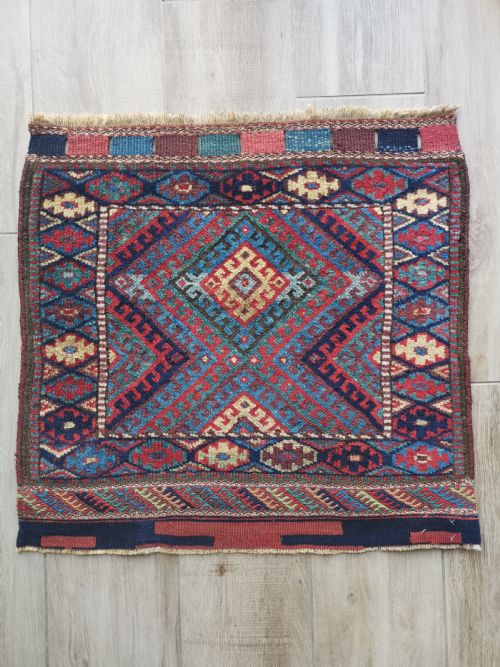
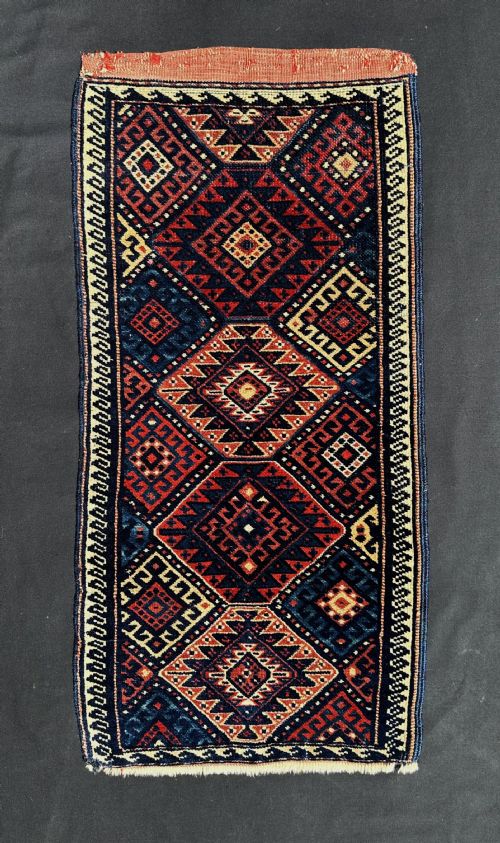


Hand Woven Pillow
These hand woven pillow pieces are authentic tribal textiles and bag faces adapted into cushions, bringing rich nomadic history and texture to a room.
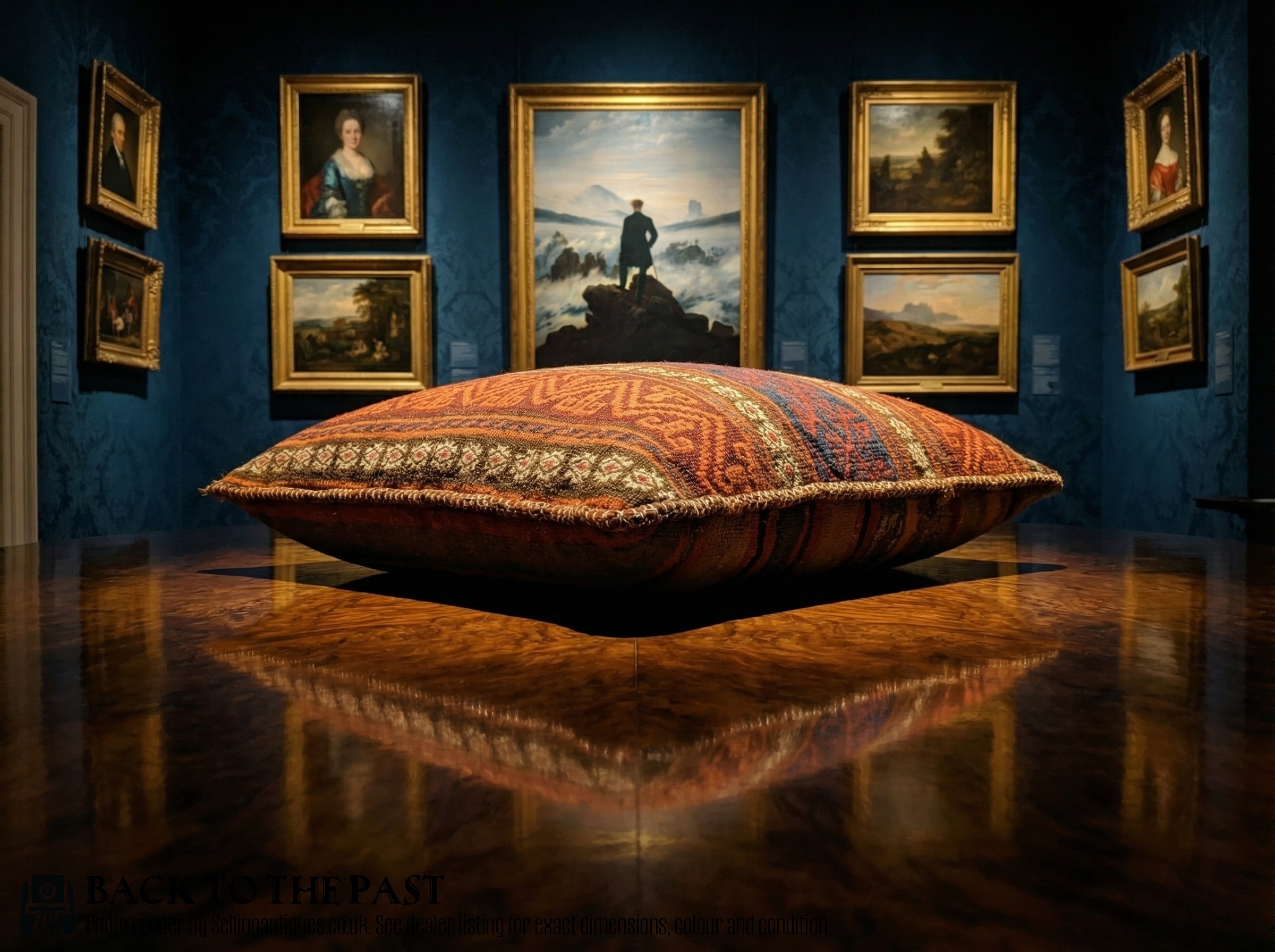
Hand Woven Pillow
A hand woven pillow on this page typically originates as a nineteenth century tribal bag face, saddlebag, or storage bag transformed into a cushion. These textiles hail from Persian and Turkmen nomadic groups, including Qashqa'i, Khamseh, Kordi, and Ersari weavers.
The forms span from small rug fragments and torba faces to complete chuvals with plain weave backs. Collectors encounter regional designs such as Herati patterns, classic Ersari motifs, and Ikat designs rendered by tribal makers.
Originating across periods from the eighteen eighties to the nineteen twenties, these pieces represent authentic nomadic craftsmanship rather than modern reproductions. Each item retains the distinct structural character of utility bags made for daily tribal life.
Materials and construction
Weavers utilised wool and hand-spun wool alongside cotton, creating durable structures designed to withstand the rigours of nomadic existence. These foundational fibres provide the heavy handle and dense pile characteristic of genuine tribal weaving.
Natural dyes impart the rich, varied palette seen across these textiles, developing subtle abrash and depth over decades of exposure and use. The interplay of these organic colorants defines the visual warmth of each piece.
Listings feature wool and hand-spun wool construction combined with natural dyes across nineteenth and early twentieth century periods.
Distinguishing quality in tribal cushions
Quality rests in the crispness of the tribal design and the fineness of the knotting or weave structure across the bag face. Pieces featuring well-balanced proportions and saturated natural dye palettes stand apart from simpler or more faded examples.
The integrity of the original textile portion relative to any modern backing fabric dictates the overall calibre of the piece. Strong, stable wool foundations and well-preserved borders indicate superior initial creation and careful subsequent survival.
The Hand Woven Pillow Glossary
- Bag face
- The decorative front panel of a nomadic storage sack or saddlebag. These panels are frequently repurposed into cushions for modern interiors.
- Torba
- A wide tribal storage bag traditionally used inside a tent for bedding or household goods. They display horizontal formats rich in regional iconography.
- Chuval
- A large Turkmen tent-storage bag featuring multiple guls. Complete examples include both the patterned face and the plain weave back.
- Abrash
- Variation in colour shade within a single field of wool. This occurs naturally due to batch dyeing of yarn and adds prized character to antique textiles.
- Gul
- A medallion or repeating primary motif found in Turkmen and related tribal weaving. Each design often signifies a specific clan or lineage.
Hand Woven Pillow: Frequently Asked Questions
How were these bags used originally?
Nomadic tribes utilised these woven containers for transporting belongings on animals or storing household goods within tents. Saddlebags and storage sacks formed an essential part of daily domestic life.
Over time, surviving fragments and complete bag faces are converted into cushions. This adaptation preserves the intricate tribal artistry for contemporary domestic use.
How do I care for an antique cushion?
Gentle treatment preserves the natural wool fibres and organic dyes of these antique textiles. Regular light vacuuming without a beater bar removes surface dust safely.
Professional specialist cleaning is recommended for any deeper maintenance. Avoiding direct, strong sunlight prevents the natural colours from fading prematurely.
How do I identify the tribal origin?
Regional characteristics such as specific palette choices, structural techniques, and motif patterns help identify the weaving group. Tribes like the Qashqa'i, Ersari, and Baluch each possessed distinct design vocabularies.
Examining the handling of wool and the specific formulation of natural dyes offers further clues to provenance. Comparing pieces against documented regional examples clarifies their geographical roots.