

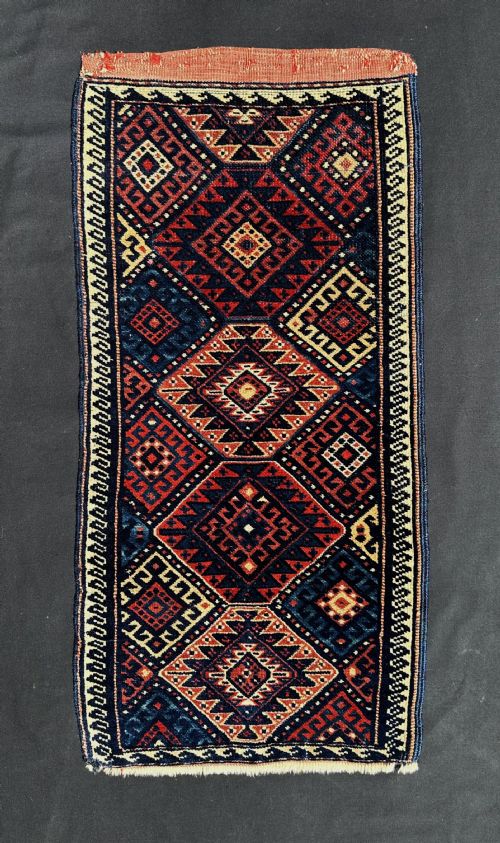


Antique Tribal Cushion
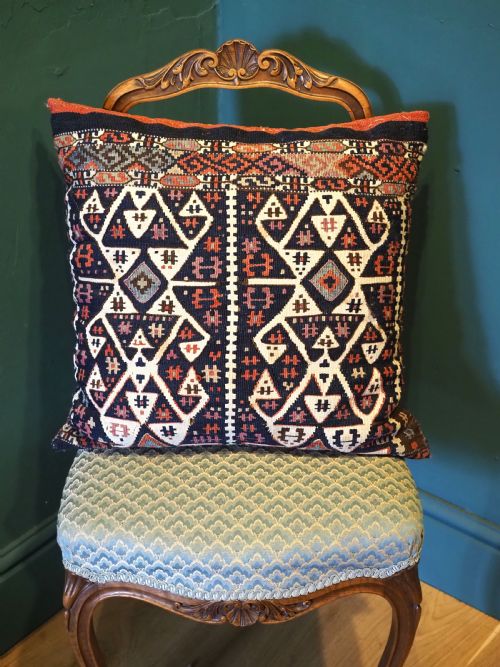
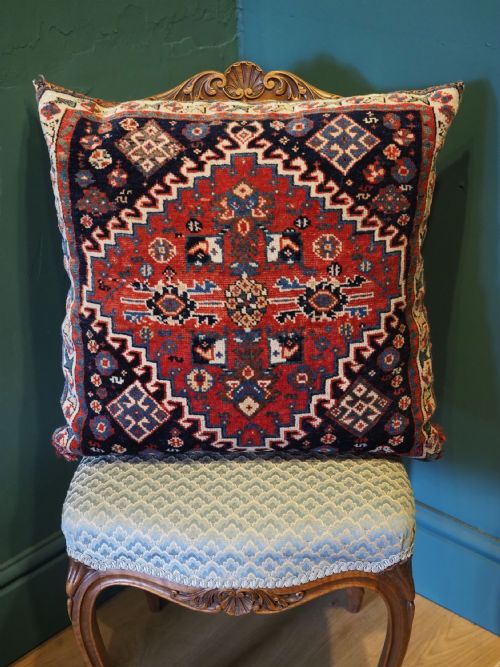
An antique tribal cushion brings tactile warmth and nomadic artistry into a room, fashioned from historic bagfaces and flatweaves.
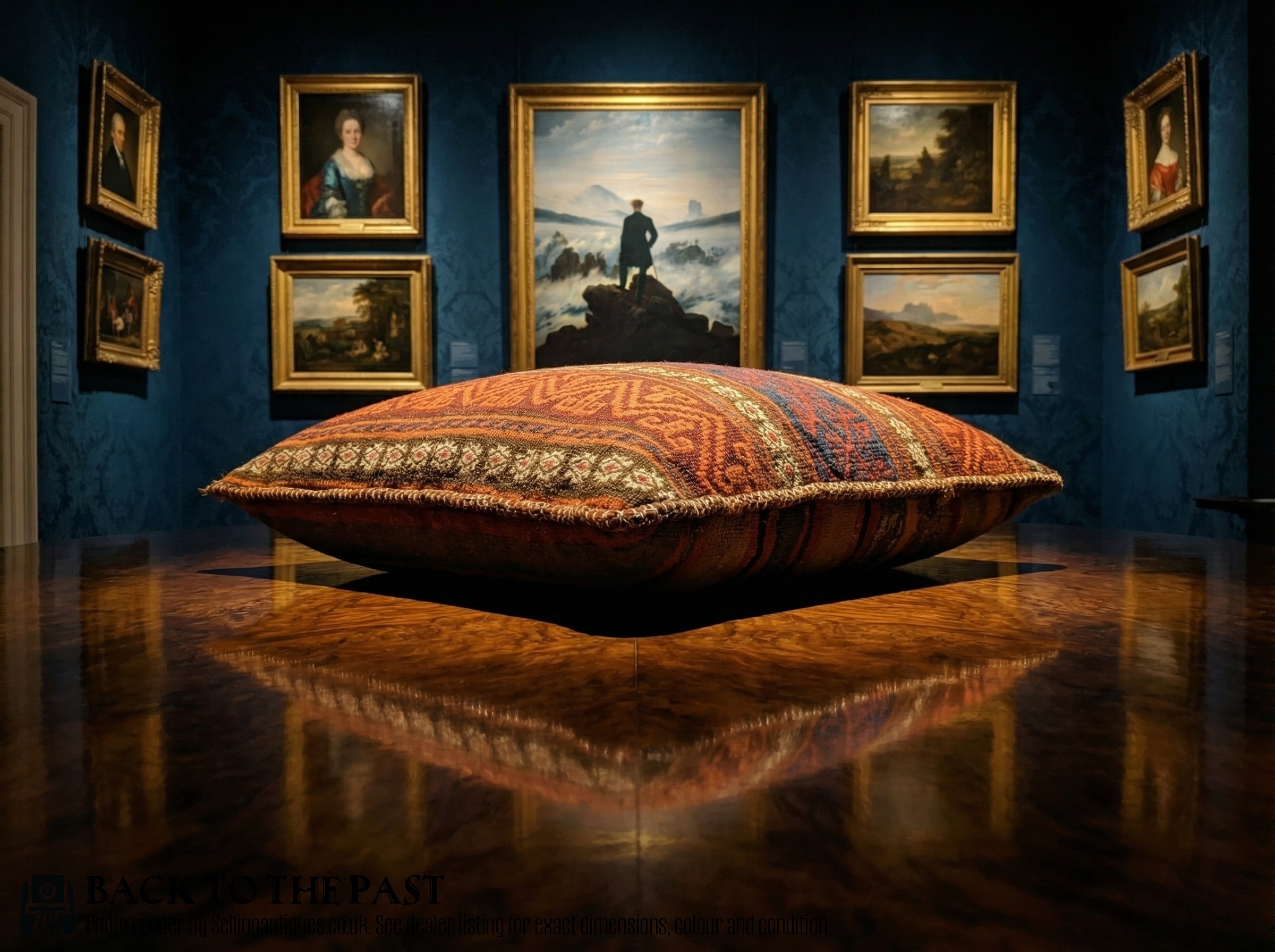
Antique Tribal Cushion
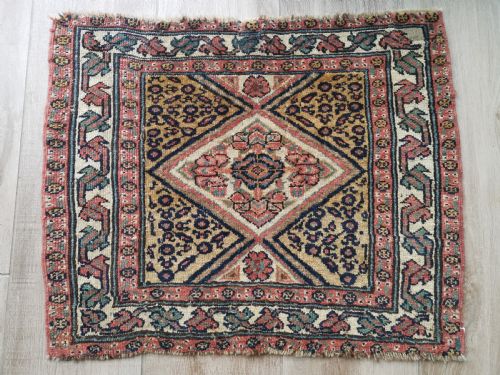
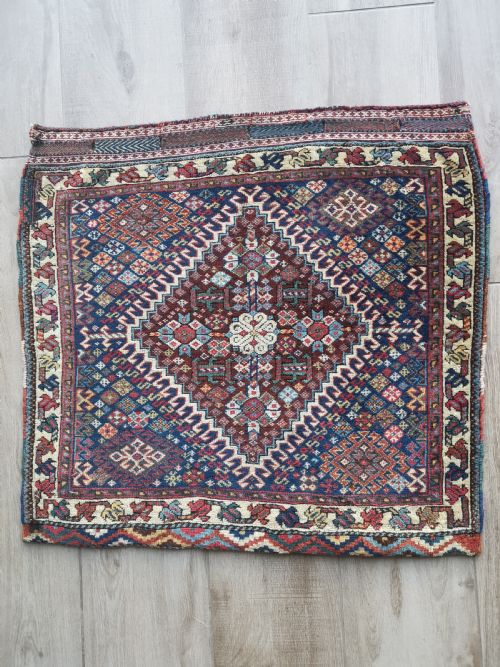
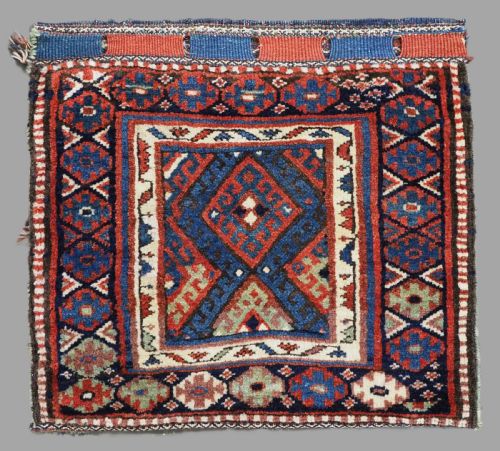
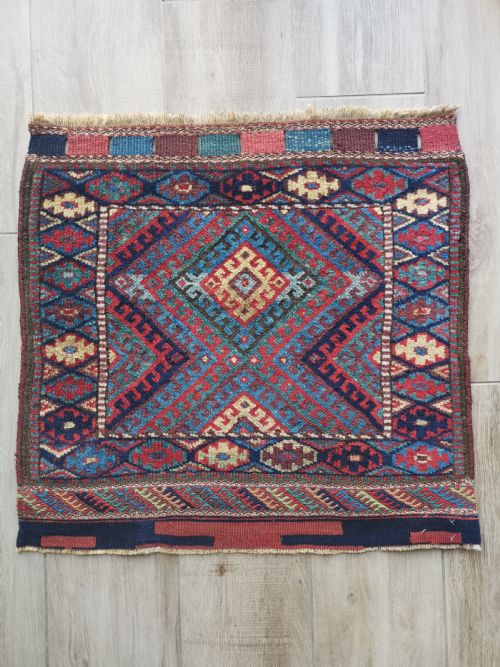
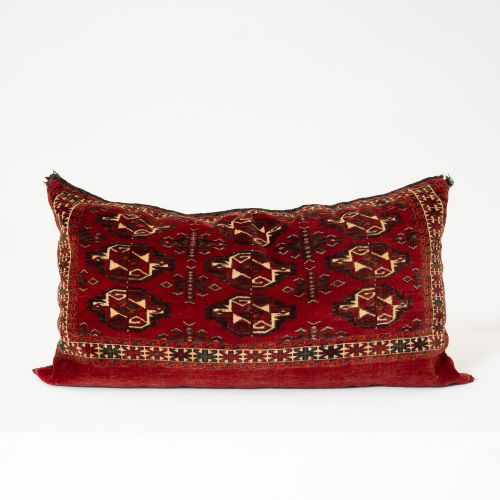
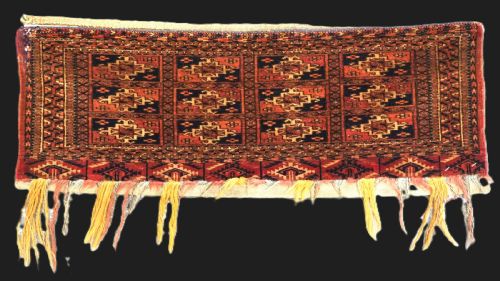
When searching for an antique tribal cushion, a buyer encounters repurposed nomad and village textiles, primarily historic bagfaces, saddle bags, and storage pouches converted into decorative furnishings. The examples seen here span from the early nineteenth century through the early twentieth century, originating from Persian, Anatolian, and Turkmen tribal groups. Most pieces on this page utilise the decorative face of a utilitarian storage bag, such as a torba, chuval, or yastic, backed with complementary plain weave wool or cotton.
The diverse tribal traditions represented include Qashqai, Baluch, Tekke Turkmen, Shahsavan, and Kurdish groups, each bringing distinct regional patterns and colour palettes. Many items began as functional transport items on animal backs, carrying grain, bedding, or personal possessions across tribal territories. Today, these repurposed textiles function as scatter cushions or floor pillows, preserving centuries-old weaving techniques within domestic interiors.
How They Were Made
These textiles rely on hand-spun wool and goat hair, manipulated through pile knotting, soumac wrapping, or flatweave kilim techniques. Spinners and weavers prepared local animal fibres by hand, ensuring durability for nomadic daily life.
Makers achieved rich hues using natural dyes derived from plants and minerals, which mellow gracefully over decades of light and use. The structural foundation typically incorporates sturdy wool or cotton warps and wefts to withstand the rigours of tribal migration.
Materials recorded across the inventory include hand-spun wool, cotton, goat hair, and natural dyes.
What Varies in Quality
The distinction between ordinary and exceptional pieces lies in the fineness of the knotting or weave density and the clarity of the tribal motifs. Superior examples display precise symmetry in characteristic tribal guls, medallions, or geometric layouts.
Another measure of quality is the vibrancy and saturation of the natural dyes, alongside the integrity of the original wool pile or flatweave surface. Retention of authentic backing fabrics and thoughtful conversion into cushions also elevate a piece for collectors.
The Antique Tribal Cushion Glossary
- Bagface
- The decorative front panel of a nomadic storage bag, most frequently encountered in antique tribal cushions. These panels display the primary artistic expression of the weaver.
- Torba
- A small, wide Turkmen storage bag traditionally used inside a tent for household goods. Torba faces are highly prized for their intricate guls and banded designs.
- Soumac
- A wrapping technique that creates a durable, raised pattern resembling braid on the textile surface. This method offers greater structural stability than standard flatweaving.
- Gul
- A medallion-like primary motif repeated across Turkmen and other tribal carpets and bags. Each tribal confederation utilised distinct stylistic variations of these floral or geometric emblems.
Antique Tribal Cushion: Frequently Asked Questions
How were these bags originally used?
Nomadic tribes utilised these woven containers for transporting and storing household possessions, grain, and bedding during seasonal migrations. They hung inside tents or strapped across the backs of camels, horses, and donkeys.
Over time, surviving fragments of these utilitarian objects are carefully conserved and transformed into cushions for contemporary homes while retaining their historic character.
How do I care for a wool cushion?
Preserve your antique textile by keeping it out of direct, prolonged sunlight to prevent natural dye fading. Gentle vacuuming with a low suction attachment helps remove surface dust without damaging the fragile historic fibres.
Professional textile cleaning is recommended for deeper maintenance, avoiding standard household detergents or vigorous washing methods that could weaken hand-spun wool.
How can I identify different tribal styles?
Tribal attribution relies on recognising distinct structural characteristics, colour palettes, and repeating geometric motifs unique to specific weaving groups. Turkmen pieces frequently feature octagonal guls, while Persian Qashqai and Baluch designs showcase intricate geometric field patterns.
Examining the weave type, wool quality, and regional dye combinations further helps distinguish between Anatolian, Caucasian, and Persian tribal origins.