




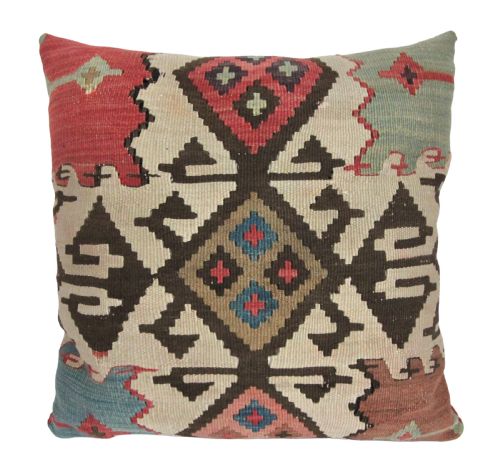

Oriental Rug Pillow Cover
An oriental rug pillow cover brings rich nomadic texture and history into a room through repurposed tribal wool textiles.

Oriental Rug Pillow Cover
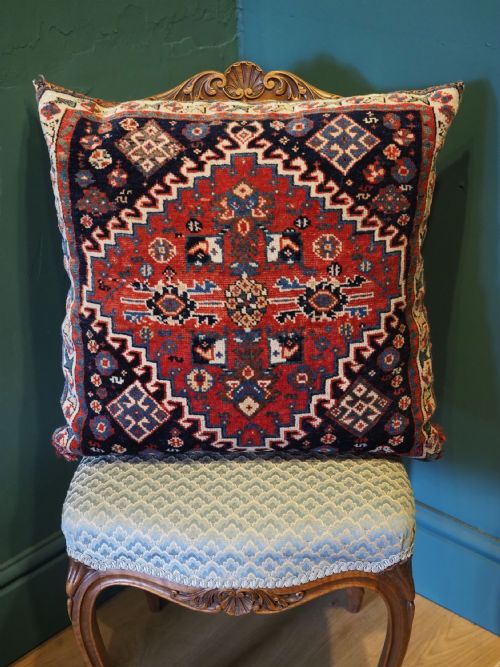
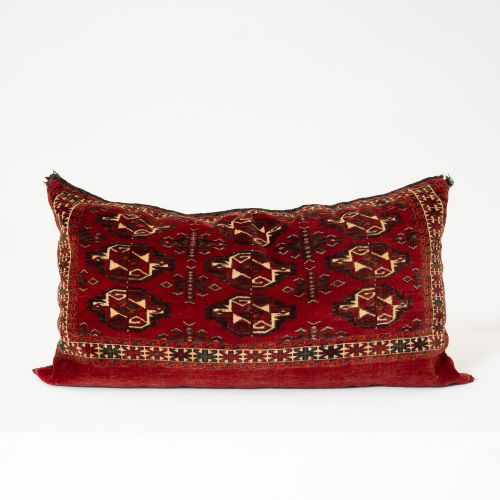
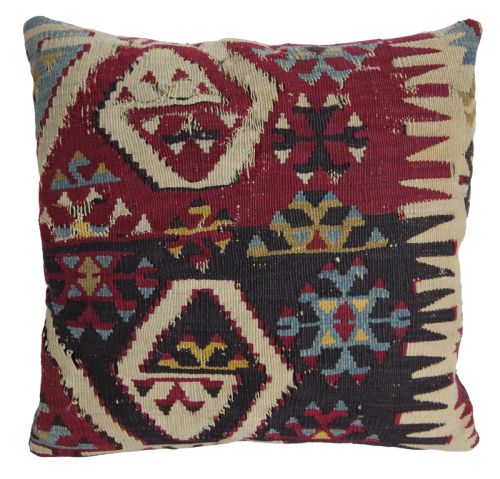
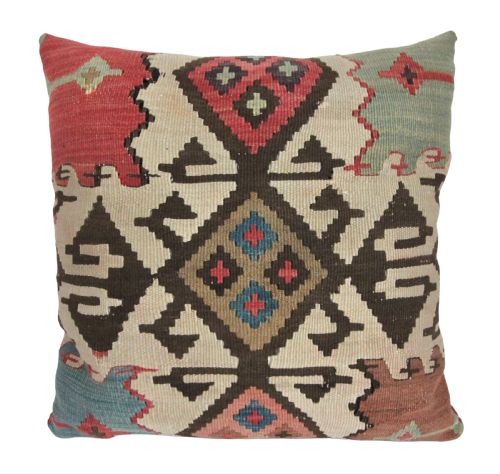
The most common versions on this page include antique bag face cushions and kilim cushions dating from the mid-nineteenth century through the early twentieth century. Pieces such as Qashqai saddle bag carpets and Yomut Turkmen torbas offer a tangible connection to nineteenth-century weaving traditions.
Makers shaped these textiles using hand-spun wool and natural dyes, creating durable utilitarian items that now serve as decorative cushions. Each oriental rug pillow cover reflects distinct regional aesthetics from areas like the Moghan Region of Azerbaijan.

How they were made
Weavers utilised hand-spun wool and cotton foundations, building resilient structures designed to withstand the rigours of nomadic daily life. These natural fibres provide both the pile and the flatwoven surfaces characteristic of tribal textiles.
Makers applied natural dyes to colour the wool, yielding rich tones that age gracefully over decades of use. The combination of durable spinning techniques and botanical or mineral colourants ensures the structural integrity of each cushion.
A nomadic family's spare bedding once lived inside these very bags before they found a second career as cushions on your sofa.
What varies in quality
The finesse of the weave and the complexity of tribal motifs separate exceptional examples from standard ones. Tightly packed knots in pile pieces and crisp geometry in flatwoven kilims demonstrate superior craftsmanship by the weaver.
The preservation of the original bag face or kilim surface dictates the visual impact of the cushion. Pieces retaining complete traditional designs, such as the kepse gul pattern, exhibit higher artistic merit.
The Oriental Rug Pillow Cover Glossary
- Bag face
- The decorative front panel of a nomadic storage bag or saddle bag, frequently repurposed into a cushion. These panels display the primary tribal iconography.
- Chuval
- A large Turkmen tent storage bag used for bedding and household goods. Surviving fragments often form substantial cushions.
- Torba
- A smaller Turkmen storage bag traditionally hung inside a yurt. Their compact formats adapt well to pillow covers.
- Kilim
- A flatwoven textile produced by tightly interweaving warp and weft strands without a pile. These pieces form durable, smooth cushion covers.
Oriental Rug Pillow Cover: Frequently Asked Questions
How were oriental rug pillows used originally?
Nomadic tribes utilised these woven pieces as functional storage bags, saddle bags, and tent furnishings to transport and organise belongings.
Over time, wear or changing domestic needs led to the repurposing of these textiles into cushions and pillows for modern interiors.
What materials are used in these cushions?
The listings show construction from hand-spun wool and cotton, utilising natural dyes for the coloration of the yarn.
These traditional materials provide the durability and texture characteristic of nineteenth and early twentieth-century tribal weaving.
How do I care for an antique wool pillow?
Gentle treatment preserves the natural wool fibres and historical dyes of antique tribal cushions. Vacuuming with care and professional cleaning when necessary protects the fragile structure of nineteenth-century textiles.
Avoid direct, harsh sunlight to prevent fading of the natural botanical or mineral colours.
How can I tell different tribal styles apart?
Tribal styles display distinct geometric motifs, structural patterns, and regional colour palettes unique to specific groups like the Yomut Turkmen, Shahsevan, or Qashqai.
Examining the weave type, whether pile or flatwoven kilim, alongside traditional patterns aids in identifying the origin.