
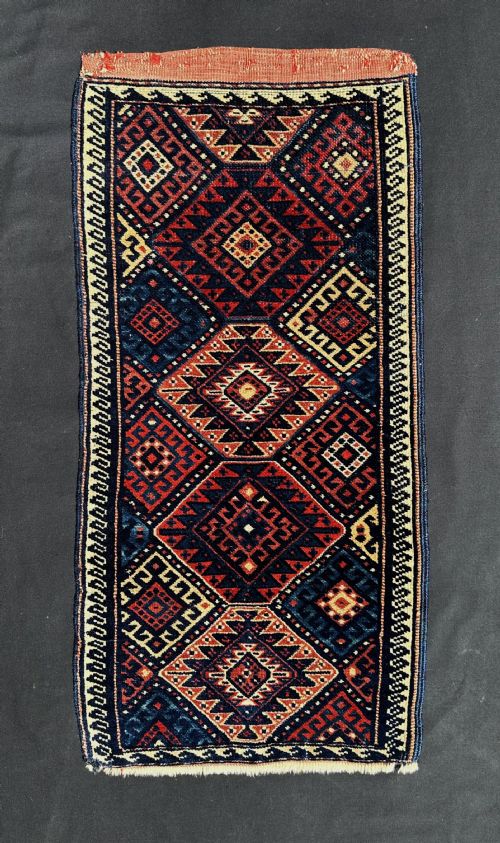


Antique Nomadic Weave Pillow
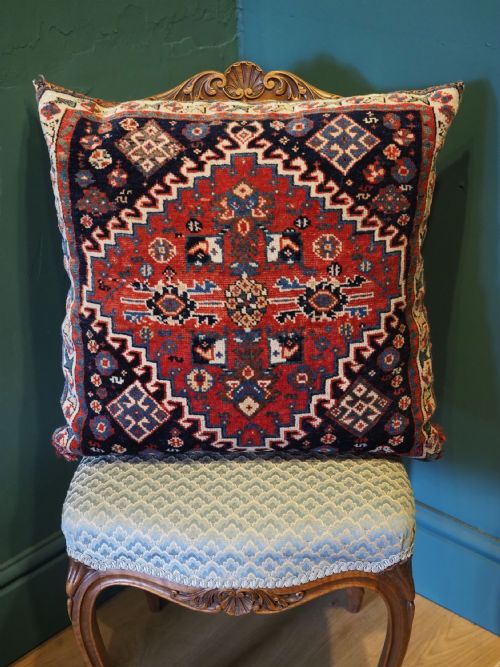
These antique nomadic weave pillow examples are repurposed tribal bags and saddlebags that bring rich texture and authentic regional history into a modern interior.
Antique Nomadic Weave Pillow
When you search for an antique nomadic weave pillow, you encounter historic tribal textiles that have been thoughtfully converted into cushions and pillows for domestic use. These pieces derive primarily from Persian, Turkmen, Kurdish, and Baluch tribal groups working across Central Asia and the Middle East during the nineteenth and early twentieth centuries.
Most items presented here bridge the gap between historic artefact and functional home decor, retaining their original flatweave or pile structures on the front while adding supportive backs and closures. Collectors and interior designers prize them for the genuine tribal character and distinct visual rhythm they impart to a room.
How they were made
The construction of an antique nomadic weave pillow relies fundamentally on hand-spun wool and cotton, materials chosen for their durability and tensile strength under nomadic conditions. Weavers prepared these fibres locally, spinning them by hand to create yarns with natural irregularities that absorb dye with remarkable depth.
Colour comes from natural dyes derived from plants, roots, and insects, yielding rich madder reds, indigo blues, and earthy yellows that mellow gracefully over decades of light and use. These dyes were applied to pile knots or flatweave structures, depending on whether the maker intended a plush surface or a crisp geometric tapestry.
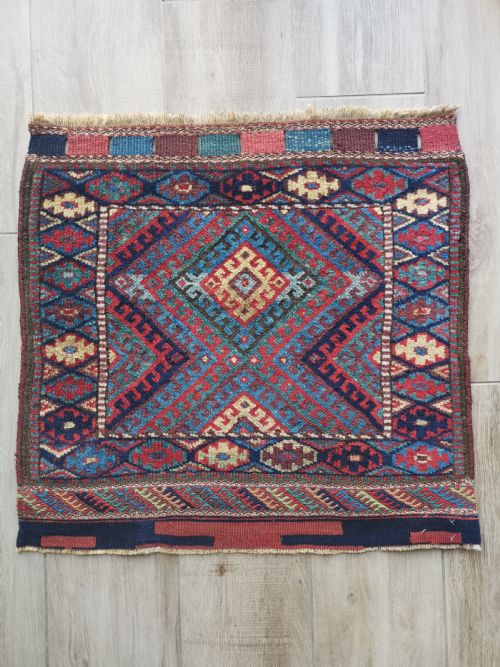
Object types documented here span saddlebags, torbas, chuvals, and small rug fragments originating from regional groups including the Shahsevan and Kurds.
What varies in quality
Quality in these textiles rests upon the fineness of the weave, the clarity and saturation of the natural dyes, and the integrity of the tribal design symbols. Pieces displaying tightly packed knots or precise flatweave geometry demonstrate superior craftsmanship by experienced tribal weavers.
Condition also dictates the standing of a piece, particularly the preservation of original borders, tassels, and complete bag-faces that have not suffered excessive wool loss. The survival of the original plain weave back or backing material adds considerable authenticity to the transformed cushion.
The Antique Nomadic Weave Pillow Glossary
- Chuval
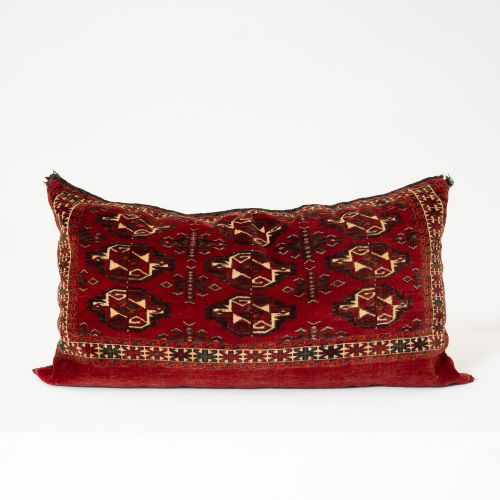
- A large Turkmen storage bag traditionally used for bedding and household goods inside a yurt. These often feature distinctive guls arranged in rows across the field.
- Torba
- A smaller Turkmen storage bag typically hung on the tent wall for smaller possessions. They frequently display banded flatweave designs or medallion motifs.
- Balisht
- A traditional nomadic pillow or pillow bag utilised for resting inside the tent. They represent some of the most direct precursors to modern cushions.
- Gul
- An octagonal medallion motif repeated across Turkmen and Baluch tribal rugs and bags. Each design often signifies a specific clan or tribal affiliation.
- Flatweave
- A textile constructed without pile by interlacing warp and weft threads together tightly. This technique creates a smooth, tapestry-like surface found on many bag-faces and kilims.
Antique Nomadic Weave Pillow: Frequently Asked Questions
What is an antique nomadic weave pillow?
An antique nomadic weave pillow is a decorative cushion constructed from historic tribal bags, storage sacks, or saddlebags woven by nomadic groups in regions such as Persia and Central Asia.
These textiles were originally made for functional transport and storage before being repurposed into cushions for contemporary interiors.
How were these tribal bags used originally?
Nomadic tribes utilised these woven bags strapped to pack animals for migrating across harsh terrain or hung inside tents for storing grain, bedding, and personal belongings.
Every bag served a specific daily purpose within the tribal camp, reflecting the practical needs of nomadic life.
How do I care for an antique wool pillow?
Care for these historical textiles involves gentle vacuuming with a low suction setting without a beater brush to remove embedded dust.
Professional specialist cleaning is recommended for any deeper maintenance to protect the fragile hand-spun wool and natural dyes.
How can I tell different tribal designs apart?
Tribal attribution relies on specific geometric motifs, border arrangements, and colour palettes unique to groups like the Yomut, Ersari, Baluch, or Qashqai.
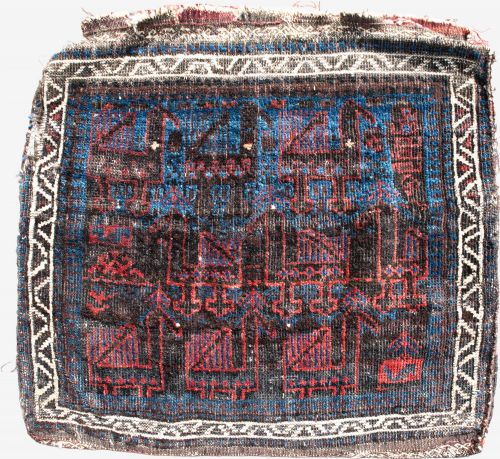
For instance, Turkmen pieces often feature repeating octagonal guls, whereas Baluch works lean toward darker indigo fields and animal or bird elements.