






Caucasian Woven Cushion
These caucasian woven cushion selections are antique tribal bag faces and saddlebags transformed into furnishings, prized for their genuine nomadic origins and rich wool textures.
Caucasian Woven Cushion
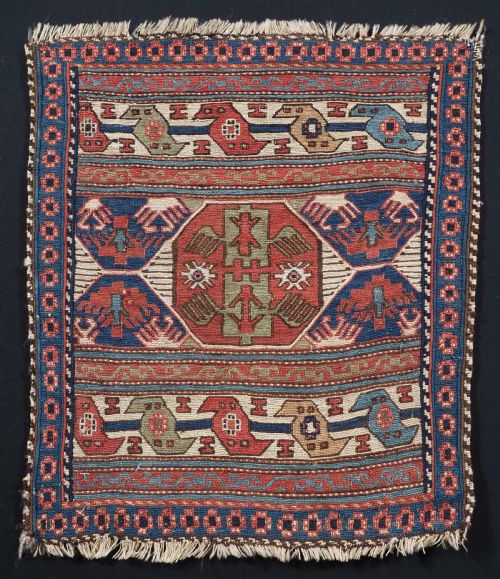
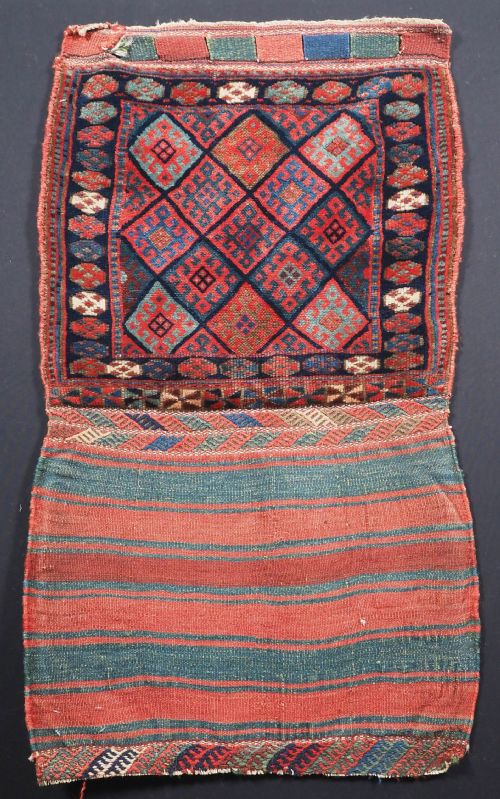
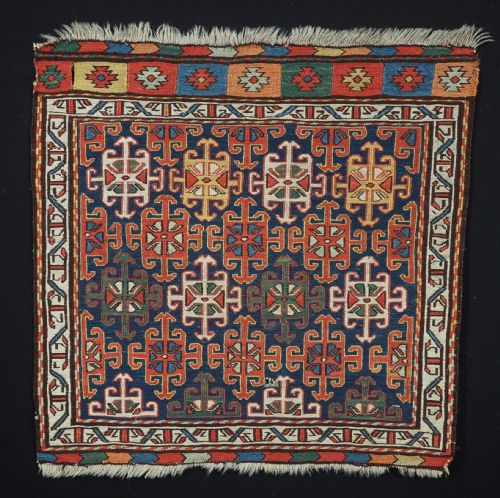
A caucasian woven cushion typically originates as a repurposed tribal bag face or saddlebag rather than a modern decorative pillow. These textiles come from nomadic and village traditions in regions such as Azerbaijan and north-west Persia, carrying patterns woven by weavers on portable looms.
The pieces encountered on this page span the latter half of the nineteenth century and the early decades of the twentieth century. Forms range from Soumak technique bag faces to complete pairs of kilim bags and half-saddlebags, each retaining the distinct character of tribal textile art.
Collectors seek these items for their authentic use of traditional motifs, including birds, dragons, and geometric tribal symbols. Every cushion represents a fragment of nomadic material culture adapted for domestic interiors.
How they were made
Weavers utilised hand-spun wool and natural vegetable dyes to create durable textiles designed for daily nomadic life. The manipulation of warp and weft involved flatweave and Soumak techniques, producing sturdy structures that survived decades of hard use.
The use of natural dyes resulted in deep colour variations that mature gracefully over time. Skilled hands manipulated hand-spun wool to build dense surfaces capable of holding complex geometric and figurative designs.
Caucasian Woven Cushion Retail Price Guide 2026
Typical asking prices for caucasian woven cushion among the pieces listed under this phrase on Sellingantiques today, from the lower quarter to the upper quarter. They describe what is for sale here now, not the wider market.
Several cushions retain the fierce digital stare of woven dragons peering out from nineteenth-century nomadic baggage.
What varies in quality
The sophistication of the tribal design and the clarity of the iconography set certain pieces apart. Examples featuring distinct motifs like birds and dragons demonstrate greater skill than simpler geometric fields.
The integrity of the flatweave or Soumak structure and the retention of vibrant natural dyes determine the overall success of the textile. Condition and the preservation of original edges also influence the standing of an individual piece.
The Caucasian Woven Cushion Glossary
- Bag face
- The decorative front panel of a nomadic storage bag, detached and converted into a cushion or left intact. These panels display the primary artistic expression of the weaver.
- Soumak
- A wrap-weft technique that creates a durable, slightly raised surface texture resembling embroidery. This method allows for crisp diagonal lines and detailed geometric patterns.
- Kilim
- A flatweave textile produced without pile by tightly interweaving warp and weft strands. It forms a lightweight, durable fabric traditionally utilised for bags and covers.
- Natural dyes
- Colourants derived from plants, roots, and insects prior to the introduction of synthetic dyes. They yield subtle tonal variations and patinise richly with age.
- Saddlebag
- A paired storage container designed to be draped over a pack animal. Surviving halves or complete pairs provide insight into traditional nomadic transport gear.
Caucasian Woven Cushion: Frequently Asked Questions
How do I care for my cushion?
Protect the antique wool and natural dyes by keeping the textile away from direct, harsh sunlight to prevent fading. Gentle vacuuming with a low suction setting helps remove dust without damaging the weave.
Professional textile cleaning is recommended for deep maintenance. Avoid harsh chemical detergents that can strip the natural colourants.
Are these cushions antique?
The pieces listed date from the mid-nineteenth century through to the early twentieth century. They were created for practical use by nomadic communities long before mass production.
Signs of age include the subtle patina of vegetable-dyed wool and the slight irregularities typical of hand-spun materials.
What techniques were used?
Weavers utilised flatweaving and Soumak techniques on portable looms to construct these sturdy textiles. The Soumak method involves wrapping weft threads around warp threads to create a textured, durable surface.
Materials are predominantly hand-spun wool combined with natural dyes sourced from plants and minerals.