





Nomadic Kilim Pillow
These nomadic kilim pillow examples bring genuine tribal flatweaves into modern interiors as tactile, history-rich cushions.
Nomadic Kilim Pillow
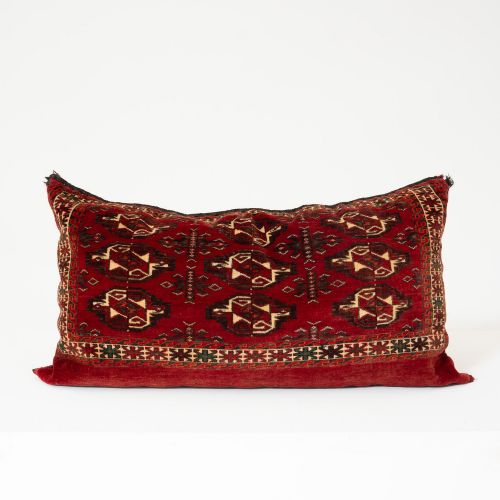
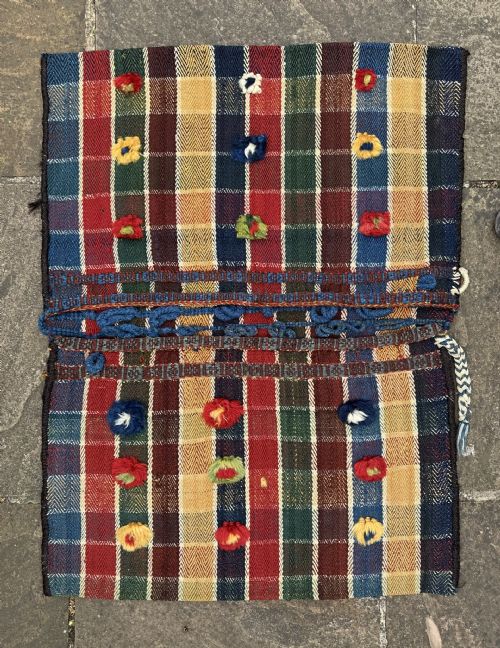
A nomadic kilim pillow transforms utilitarian tribal textiles into decorative cushions and soft furnishings. Buyers searching for a nomadic kilim pillow will encounter authentic fragments such as bag faces, chuvals, torbas, mafrash panels, and saddlebags.
The selections span from the mid-nineteenth century through the early twentieth century, capturing decades of nomadic handiwork. Pieces frequently originate from Persian, Turkmen, Anatolian, and Central Asian tribal traditions, including specific groups like the Yomut, Ersari, Qashqa'i, and Shahsavan.
Many items utilise repurposed saddlebags and storage sacks complete with original flatweave designs, banded patterns, and tassels. These textiles bring genuine tribal character and robust woven structures directly into domestic seating arrangements.
Materials and construction
These items are constructed primarily from wool and hand-spun wool, paired with cotton foundations or backings. Weavers employed traditional flatweave techniques without pile, creating durable surfaces suitable for daily use as cushions.
Colour comes from natural dyes applied to hand-spun fibres before weaving on horizontal or vertical ground looms. The resulting textiles exhibit the characteristic tight warp and weft tension typical of nomadic tribal production.
Nomadic Kilim Pillow Retail Price Guide 2026
Typical asking prices for nomadic kilim pillow among the pieces listed under this phrase on Sellingantiques today, from the lower quarter to the upper quarter. They describe what is for sale here now, not the wider market.
Geographic origins represented include Persian, Turkmen, and Anatolian traditions, featuring specific groups like the Qashqa'i and Shahsavan.
Assessing quality and authenticity
Quality rests upon the integrity of the original flatweave, the fineness of the wool spin, and the richness of the natural dye palette. Pieces retaining complete original elements such as tassels and structured backs hold higher integrity.
Design clarity and the precision of geometric tribal motifs separate ordinary utility bags from superior textile art. The condition of the weave and the stability of the historical fabric dictate how successfully a textile functions as a cushion.
The Nomadic Kilim Pillow Glossary
- Kilim
- A flatwoven textile produced by tightly interweaving warp and weft strands to create a smooth surface without pile. This technique allows for sharp geometric patterns.
- Chuval
- A large tent storage bag made by Turkmen nomads, often repurposed into cushion faces. These pieces display distinct tribal gul motifs.
- Torba
- A smaller storage sack traditionally used inside nomadic tents for personal possessions. Collectors prize these for their compact, balanced decorative layouts.
- Mafrash
- A rectangular bedding storage chest panel woven in flatweave technique. Surviving fragments make substantial and durable decorative cushions.
- Warp
- The stationary lengthwise threads stretched tightly on a loom before weaving begins. They form the structural foundation of the textile.
Nomadic Kilim Pillow: Frequently Asked Questions
What is a nomadic kilim pillow?
A nomadic kilim pillow is a decorative cushion created from genuine antique tribal flatweaves, such as nineteenth-century saddlebag faces and storage sacks.
These textiles originate from various nomadic groups across Persia, Anatolia, and Central Asia, repurposed to preserve historical weaving traditions.
How do I care for antique kilim cushions?
Protect antique wool textiles from direct sunlight to prevent natural dye fading. Gentle vacuuming through a mesh screen helps remove dust without damaging the weave.
Professional specialist cleaning is recommended for antique wool rather than standard domestic washing methods.
Are these cushions made from old bags?
Many cushions utilise authentic historical bag faces, torbas, chuvals, and saddlebags originally woven by tribal makers. These functional storage pieces are carefully adapted into soft furnishings.
Using surviving fragments gives old nomadic textiles a practical domestic purpose while retaining their original character.
How can I tell the age of a kilim pillow?
Age is determined by observing the wool quality, hand-spun texture, and the composition of natural dyes. Pieces often date from the nineteenth or early twentieth century based on traditional tribal design patterns.
Structural evidence, such as worn selvedges and historical repair work, also indicates considerable age.