




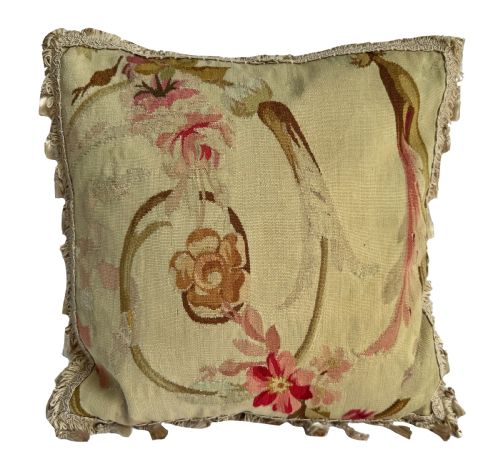


Vintage Floral Cushion
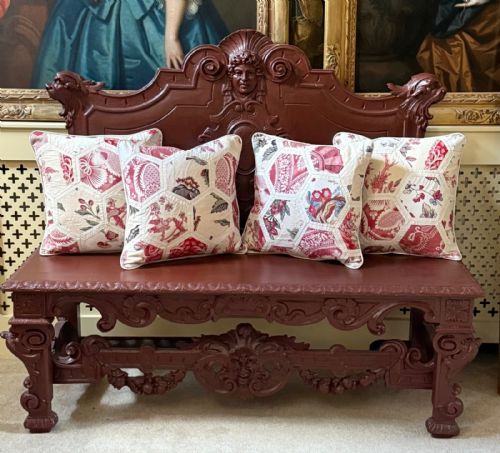
A vintage floral cushion brings historic textiles and needlework into a room, offering tactile warmth and decorative richness.
Vintage Floral Cushion
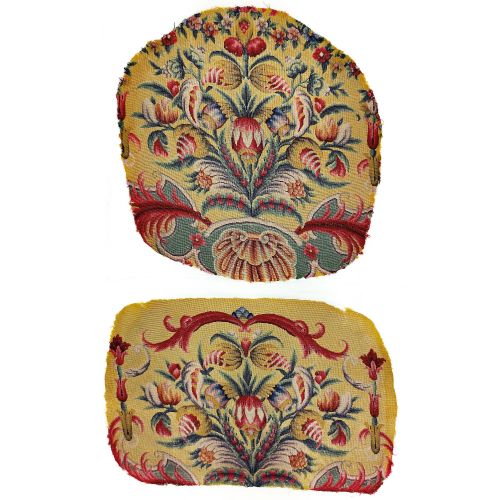
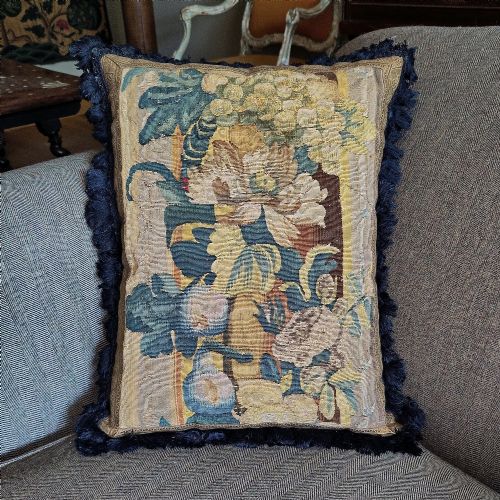
A vintage floral cushion encompasses decorative pieces created from textiles spanning the seventeenth century through to the Edwardian period and the early decades of the twentieth century. When exploring this selection, buyers encounter distinct forms fashioned from antique fragments, including Aubusson weaves, French silk, and Flemish tapestry borders.
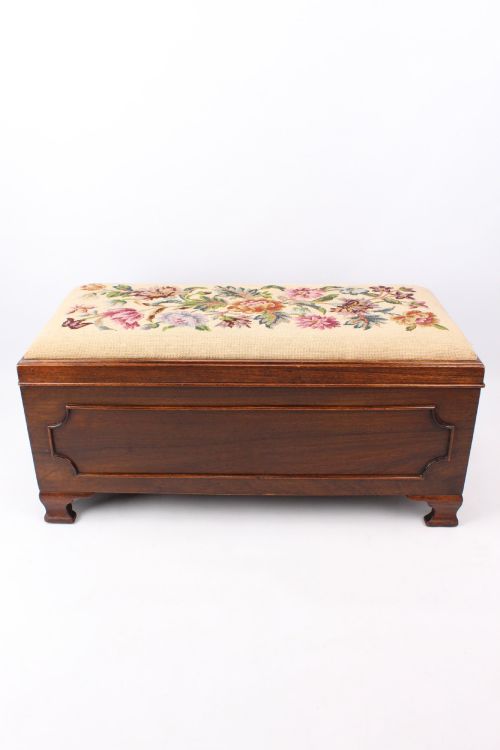
The objects listed under this description range from cushion covers with eighteenth-century Belgian linen backs to complete decorative pillows utilising needlework seats and period tapestry panels. Many of these items repurpose historic fabric remnants into functional soft furnishings suitable for contemporary interiors.
Materials and construction methods
These textiles rely on natural fibres such as wool, silk, linen, and cotton, often woven or embroidered with floral motifs. Artisans combined these historic fabrics with supportive backings, feathers, and traditional upholstery techniques to create durable cushions.
Makers frequently integrated antique tapestry fragments and needlework panels into functional household items, preserving centuries-old textile artistry through careful stitching and construction.
Vintage Floral Cushion Retail Price Guide 2026
Typical asking prices for vintage floral cushion among the pieces listed under this phrase on Sellingantiques today, from the lower quarter to the upper quarter. They describe what is for sale here now, not the wider market.
Several items utilise Aubusson weave and Flemish tapestry borders salvaged from earlier centuries to create decorative soft furnishings.
Assessing quality in period cushions
Quality depends upon the preservation and age of the original textile, with pieces utilising seventeenth-century Flemish borders or nineteenth-century Aubusson weave representing significant craftsmanship. The integrity of the fabric fibres and the skill of the original needlework dictate the desirability of each piece.
The standard of the accompanying materials, such as eighteenth-century Belgian linen backs and feather inners, also influences the overall execution and authenticity of the finished cushion.
Howard and Sons
The Vintage Floral Cushion Glossary
- Aubusson
- A style of tapestry woven in the French town of Aubusson, frequently featuring floral designs and pastoral scenes. These historic weaves often appear on nineteenth-century cushion covers.
- Tapestry
- A form of textile art woven on a vertical loom, used historically for wall hangings and decorative furnishings. Surviving fragments are often repurposed into antique cushion covers.
- Needlework
- Hand-stitched decoration using yarn or thread on a canvas or fabric ground. This technique creates durable floral patterns on seats and cushions.
- Linen
- A strong, natural textile woven from the fibres of the flax plant. Eighteenth-century varieties frequently form the supportive backs of vintage cushions.
Vintage Floral Cushion: Frequently Asked Questions
What is a vintage floral cushion?
A vintage floral cushion is a decorative furnishing created using historic textiles, such as Aubusson tapestry weaves, French silk, or needlework panels.
These pieces often incorporate antique fabric fragments dating from the seventeenth century to the early twentieth century into functional home accessories.
How should I clean a vintage cushion?
Due to the fragile nature of historic textiles like silk, wool, and antique linen, these cushions require professional textile conservation cleaning.
Routine maintenance should be limited to gentle surface dusting rather than immersion washing to protect the underlying fibres and stitching.
Can these cushions be used daily?
These decorative items suit gentle domestic use in drawing rooms or bedrooms where heavy wear is avoided.
Their historic textiles and delicate needlework are best preserved when placed on armchairs or beds rather than heavily utilised seating.
How do I date an antique cushion?
Dating relies upon the period of the primary textile, such as seventeenth-century Flemish tapestry or nineteenth-century Aubusson weave.
Examining the backing materials, including eighteenth-century Belgian linen, also provides evidence of the age of the components used.