




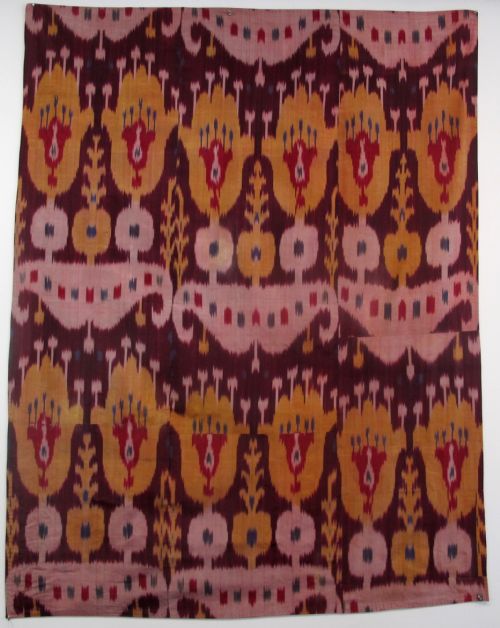


Handwoven Tapestry Panel
These handwoven tapestry panel examples range from tribal wool weavings to silk ikats, offering rich texture and historic design for your walls.
Handwoven Tapestry Panel
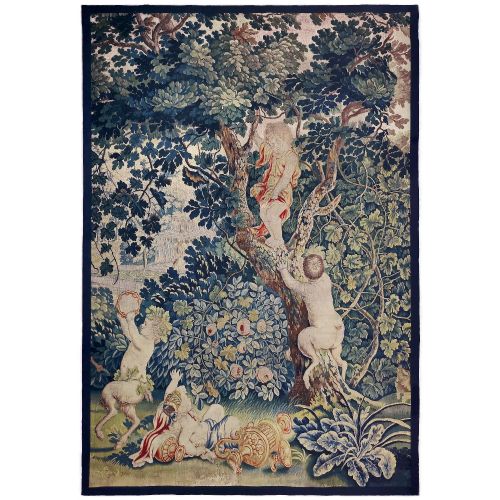
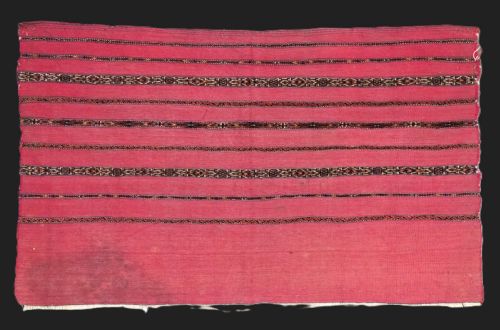
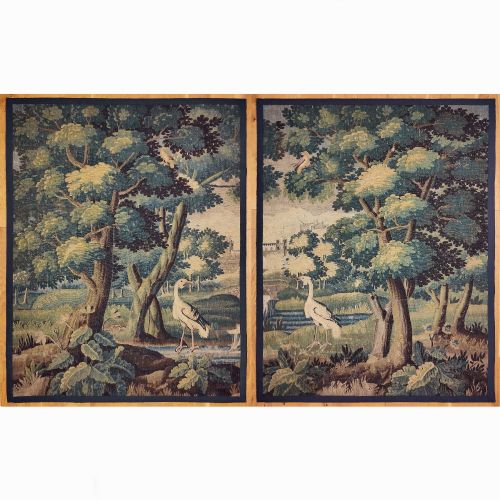
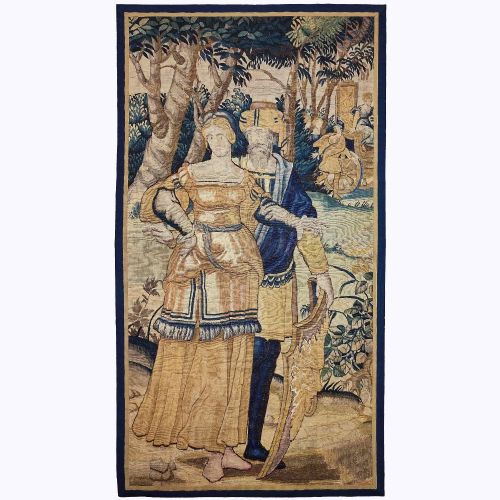
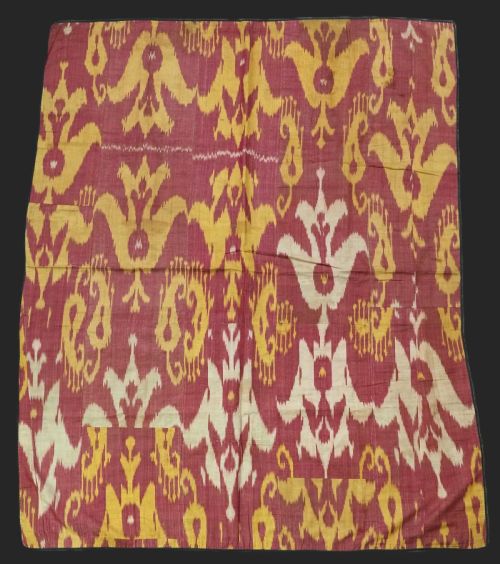
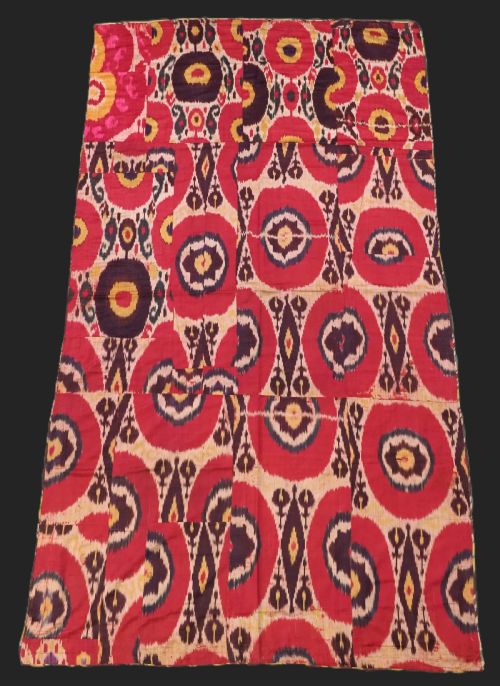
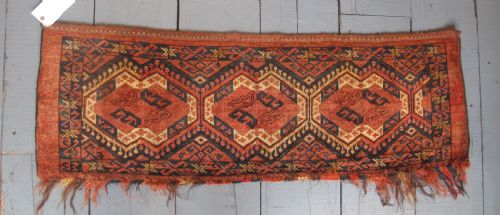
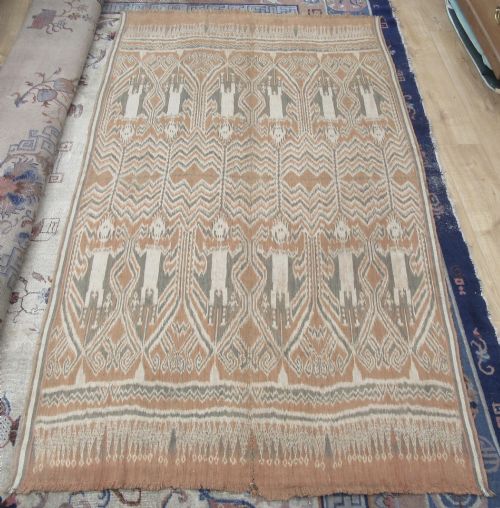
A handwoven tapestry panel brings centuries of textile tradition into a modern interior, spanning European historical weaving and vibrant Central Asian tribal works. When you search for a handwoven tapestry panel, you encounter everything from grand French verdure scenes and Flemish Renaissance fragments to Turkmen tribal bagfaces and Uzbek silk ikats.
The most common examples on this page are Central Asian ikats from around nineteen hundred alongside tribal weavings from earlier decades. These textiles function primarily as wall hangings and decorative panels, bringing colour and pattern to residential spaces.
How they were made
Maker communities utilised natural dyes and handspun materials, working with wool, cotton and silk on traditional looms. Central Asian ikats involve intricate resist-dyeing of warp threads before weaving, creating the characteristic feathered edges along the motifs.
European workshops employed wool and silk threads to build dense pictorial surfaces, often depicting verdure landscapes or classical subjects. Tribal weavers relied on flatweave and pile techniques using sturdy wool and cotton foundations.
Handwoven Tapestry Panel Retail Price Guide 2026
Typical asking prices for handwoven tapestry panel among the pieces listed under this phrase on Sellingantiques today, from the lower quarter to the upper quarter. They describe what is for sale here now, not the wider market.
Nomadic weavers frequently incorporated stray camel hairs directly into their utilitarian storage bags, leaving a tactile signature of desert life.
What varies in quality
Quality depends upon the fineness of the weave, the clarity of the design and the condition of the textile fibres. Tightly packed wefts and crisp pattern definition distinguish superior tribal bagfaces and ikats from simpler commercial variants.
The vibrancy and integrity of natural dyes also dictate worth, as well as the structural stability of the silk or wool ground. Expert execution in the resist-dyeing process for ikats ensures sharp colour boundaries.
The Handwoven Tapestry Panel Glossary
- Ikat
- A dyeing technique where yarn threads are tie-dyed before weaving to create intricate patterns. This method produces characteristic blurred outlines along the design edges.
- Verdure
- A type of tapestry featuring a stylised landscape background filled with foliage, trees and often birds or animals. These French and Flemish panels date back to the seventeenth century.
- Chuval
- A large tent storage bag face made by Turkmen tribes, featuring geometric guls and banded flatweave designs. Collectors prize these for their rich tribal iconography and wool quality.
- Kilim
- A flatwoven textile produced without pile, resulting in a thin, tapestry-like fabric used for rugs and wall hangings. Gajeri kilims display bold graphic patterns typical of Central Asian traditions.
Handwoven Tapestry Panel: Frequently Asked Questions
How do I hang a textile panel safely?
Mounting a textile requires distributing the weight evenly across the top edge to prevent fibre distortion. Using a fabric sleeve hand-stitched to the reverse allows a wooden batten or metal rod to support the piece.
Avoid hanging panels in direct sunlight or damp environments, as natural dyes and organic fibres degrade under UV exposure and high humidity.
Are these panels suitable for daily floor use?
Most items listed as panels or wall hangings are structurally unsuited for floor traffic. Silk ikats and delicate antique embroideries lack the pile density and fibre resilience required for footfall.
Use them strictly as wall decor or display textiles to preserve their fragile weaves and historic dyes from premature wear.
How do I clean a fragile silk ikat?
Water cleaning risks running natural dyes and weakening old silk or cotton threads. Professional textile conservators should handle any major cleaning requirements.
Surface dust can be removed very gently using low suction through a mesh screen, ensuring the historic material remains undisturbed.
What is the difference between a suzani and an ikat?
A suzani is an embroidered textile panel featuring needlework applied to a woven fabric ground. An ikat is patterned through the resist-dyeing of the threads before the weaving process takes place.
Both originate from Central Asia and share similar floral or geometric aesthetics, but their construction methods differ entirely.