

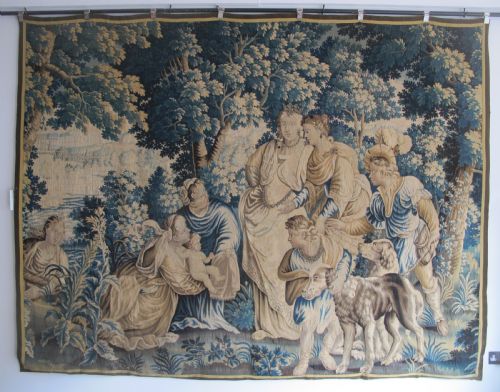


Figural Wall Hanging
A figural wall hanging brings history directly into a room, offering tactile artistry that anchors a space with human narrative.
Figural Wall Hanging
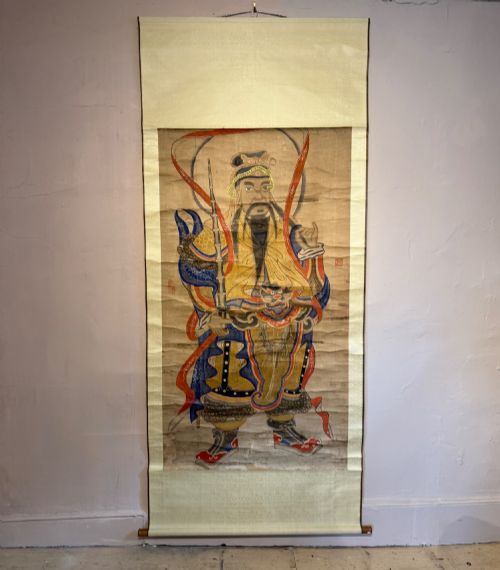
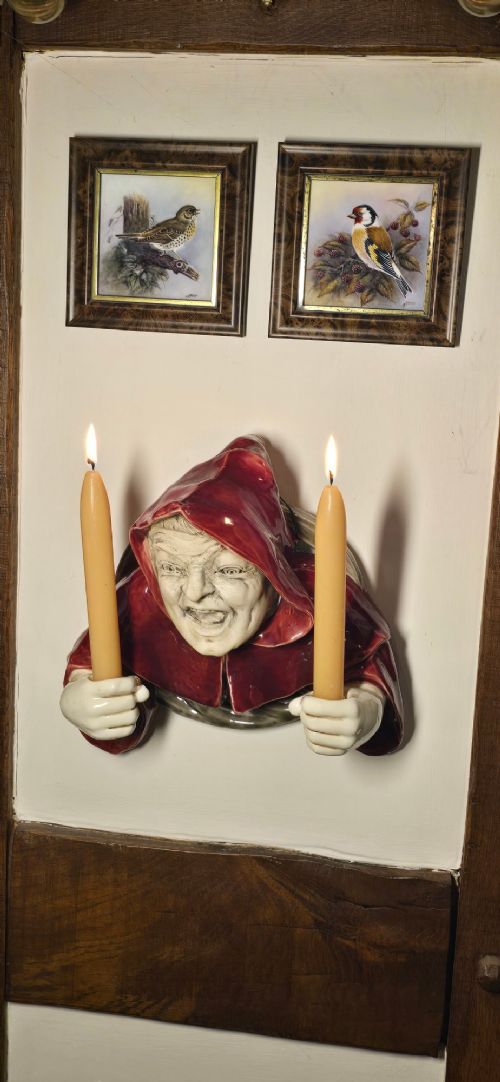
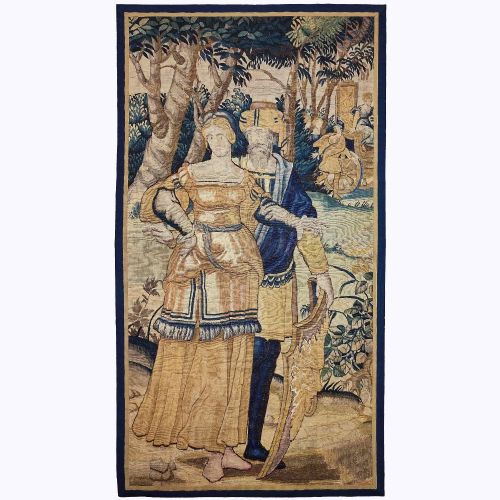
A figural wall hanging encompasses woven tapestries, carved wood panels, and ceramic pieces displaying human or animal forms. When searching for a figural wall hanging, collectors encounter diverse expressions ranging from grand textile panels to carved wooden holders.
The selections span multiple centuries, including sixteenth-century Flemish works, seventeenth-century Aubusson creations, and early twentieth-century ceramic and carved wooden items. These pieces transform plain surfaces by introducing texture, depth, and historical storytelling to interior schemes.
Buyers frequently find textile interpretations such as wall tapestries and needlework panels alongside carved wooden items like pipe racks and whip holders. Each object serves both a decorative purpose and a functional role in traditional room design.
Materials and construction techniques
Textile examples utilise wool, silk, and cotton yarns woven intricately on looms or worked by hand as needlework panels. These fibrous compositions demand immense skill to render complex figural scenes with convincing depth and colour gradation.
Wooden and ceramic items employ carving, pottery, and glazing techniques to shape durable wall-mounted objects. Skilled artisans carved dense timber for functional holders and moulded clay before applying decorative glazes to ceramic wall plaques and candelabra.
Figural Wall Hanging Retail Price Guide 2026
Typical asking prices for figural wall hanging among the pieces listed under this phrase on Sellingantiques today, from the lower quarter to the upper quarter. They describe what is for sale here now, not the wider market.
Listings feature textiles spanning from the sixteenth century to the nineteenth century, alongside carved wood and pottery items.
Distinctions in quality and execution
The refinement of the figural depiction separates simpler decorative items from masterworks. Superior examples display precise facial expressions, balanced proportions, and sophisticated interplay between the figures and their surrounding landscape or architectural backdrop.
Material integrity and preservation dictate the upper tier of the range. Intact original fibres in antique textiles and sharply defined chisel work in carved wooden panels indicate superior initial craftsmanship and careful stewardship over the centuries.
The Figural Wall Hanging Glossary
- Aubusson Tapestry
- A woven textile produced in the French town of Aubusson, known for pictorial scenes without metallic threads. These panels typically depict pastoral or biblical narratives.
- Flemish Tapestry
- A heavy woven wall hanging originating from Flanders, celebrated for intricate figural compositions. Master weavers in this region set high standards for narrative textile art.
- Needlework Panel
- A piece of fabric decorated with hand stitching using wool, silk, or cotton threads. These works offer alternative textural qualities to loom-woven tapestries.
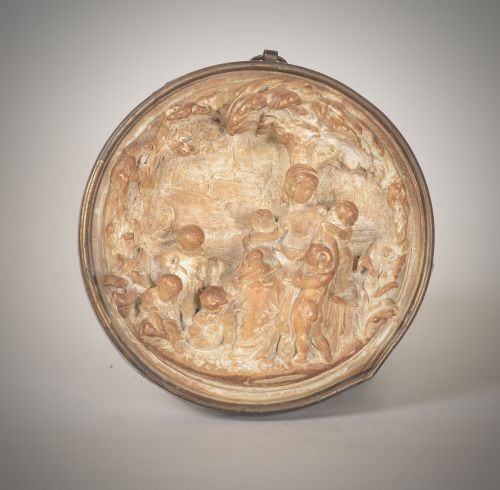
- Plaster Relief
- A sculptural technique where figures project from a flat plaster background. This method captures fine detail in historical wall plaques and grand tour souvenirs.
Figural Wall Hanging: Frequently Asked Questions
How do I hang a heavy textile safely?
Heavy tapestries require a weight-distributing support system such as a lined casing sewn to the reverse with a concealed wooden batten inserted. This method prevents undue strain on specific anchor points.
Lighter panels may utilise discreet brass rings attached securely along the top edge, ensuring the weight hangs evenly against the wall surface without distorting the fabric weave.
Where should I place these pieces in my home?
Figural wall hangings suit principal reception rooms, hallways, or stairwells where adequate wall space allows the narrative scene to be appreciated fully.
Protect delicate textiles and painted wood from direct sunlight and high humidity to preserve the integrity of the natural fibres and pigments over time.
How do I distinguish between centuries of textile weaving?
Earlier textile panels often feature denser knotting, specific historical costume details, and vegetal dyes that age with subtle patination. Stylistic clues such as Renaissance borders or Baroque architectural motifs help narrow down the period.
Comparing the complexity of the weave and the specific type of figural representation against documented regional styles clarifies the likely age of the piece.
What is the difference between a tapestry and a needlework panel?
A tapestry is woven on a loom using warp and weft threads to build the image simultaneously with the fabric structure. The design is integrated directly into the construction of the textile.
In contrast, a needlework panel is stitched by hand onto an existing fabric ground, usually canvas or linen, building up the figural image through applied thread work.