




Renaissance Wall Panels
Renaissance wall panels encompass centuries of carved oak, Flemish tapestries and embroidered silks designed to bring historic texture into a room.

Renaissance Wall Panels
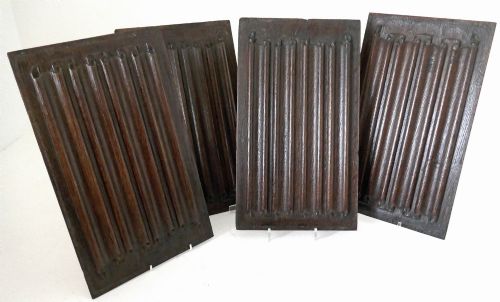
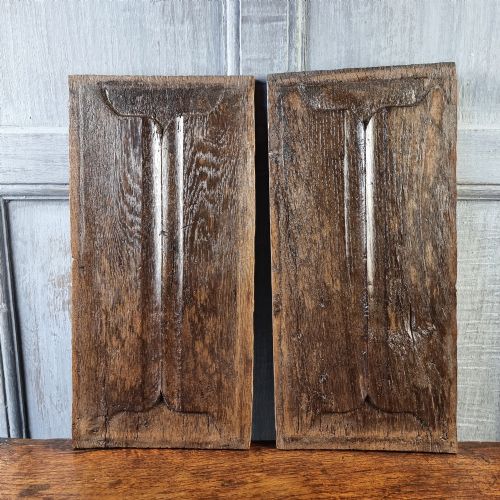
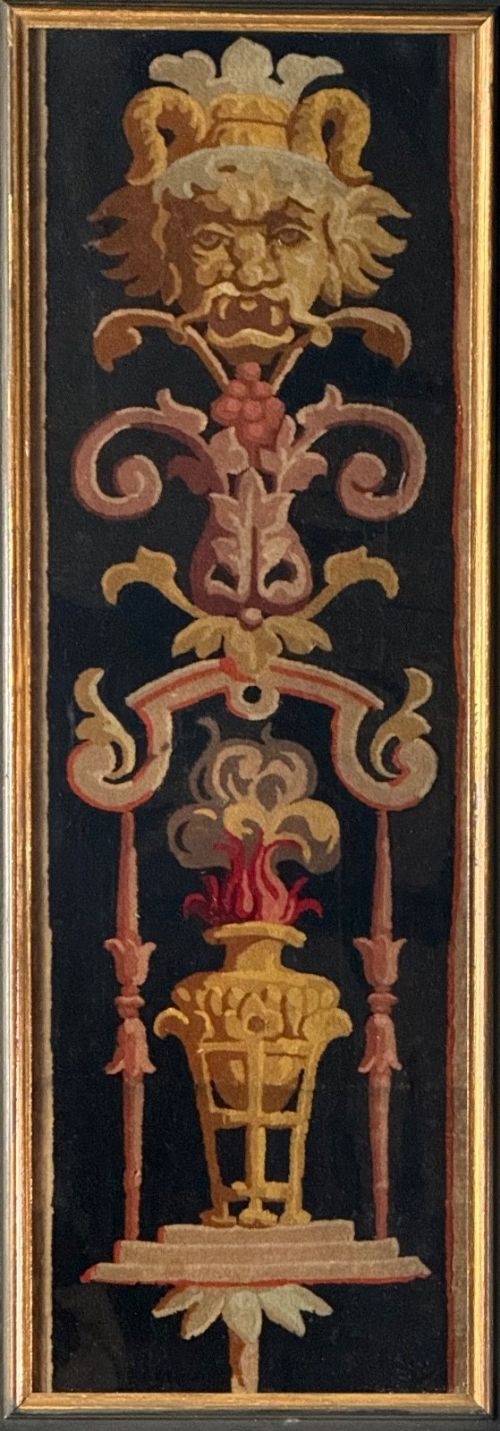
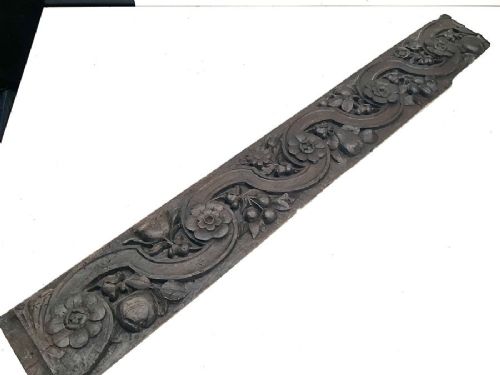
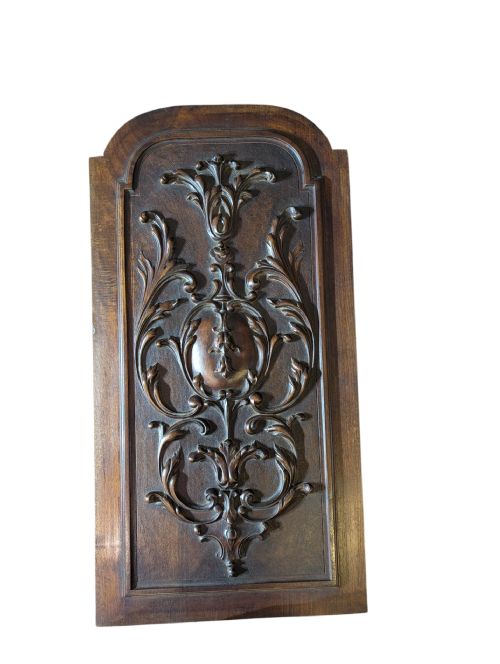
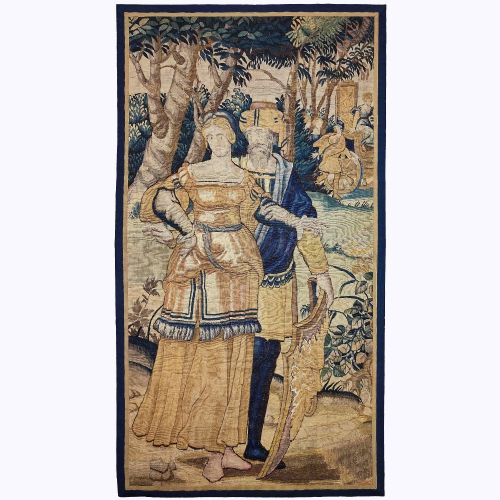
Renaissance wall panels comprise architectural timber carvings, textile fragments and framed reliefs originating primarily from the sixteenth and seventeenth centuries, alongside nineteenth-century revivals. The listings here contain a high proportion of oak linenfold panels, Flemish tapestries, and carved walnut or English walnut architectural elements.
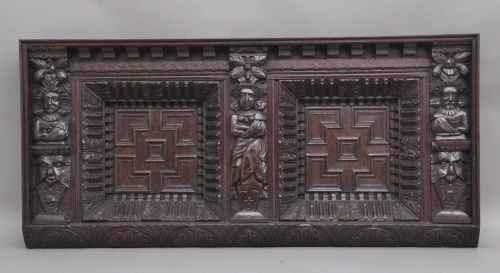
Buyers encounter distinct forms ranging from coffer fronts and overmantles to tapestry panels, pilaster hangings and needlepoint fragments. Pieces span sixteenth-century English Tudor work, seventeenth-century continental classical embroidery, and later nineteenth-century interpretations sharing the same classical vocabulary.
Materials and construction methods
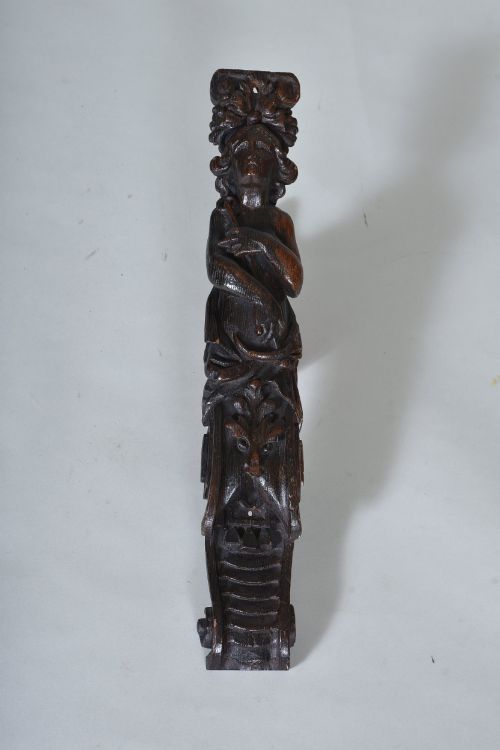
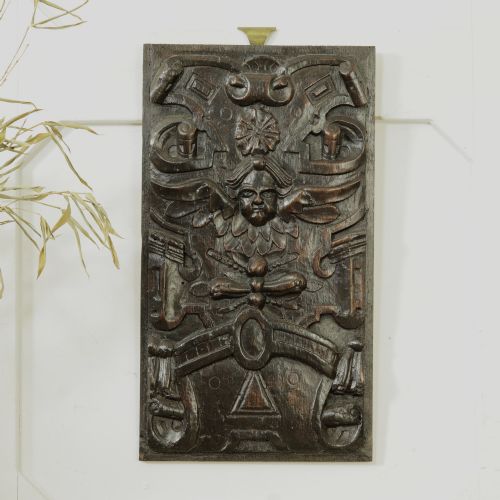
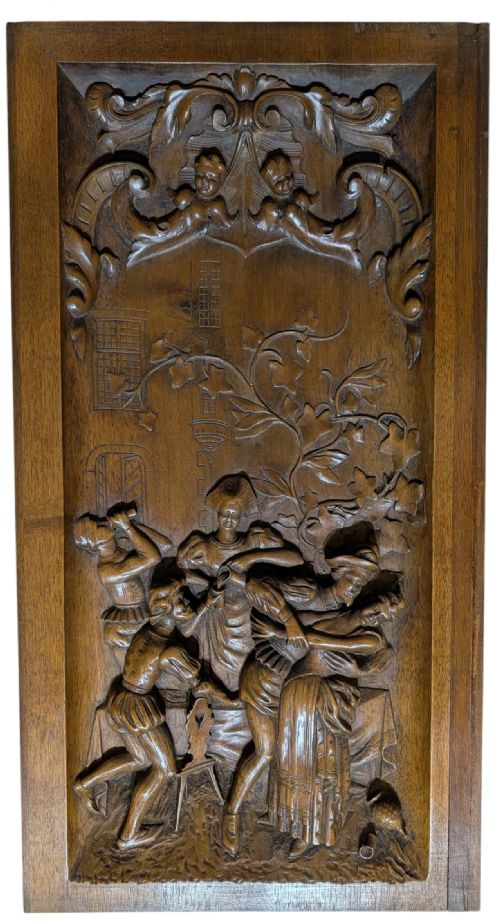
Carpenters and carvers shaped these pieces predominantly from solid oak and walnut, utilising hand chisels to execute high-relief carvings, linenfold folds, and grotesque masks. Textile works combine wool, silk, and metal thread in tapestry weaves or embroidered silk velvet.
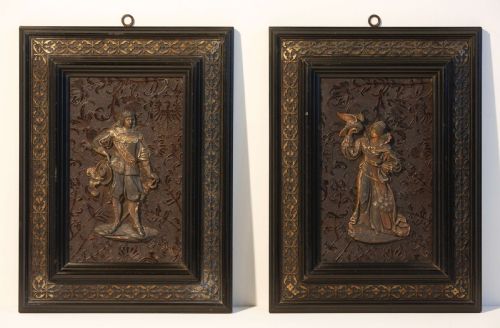
Makers also employed materials such as gilded bronze, plaster, faience, and painted wood, integrating architectural salvage and leather-maché decorations into wall hangings and plaques.
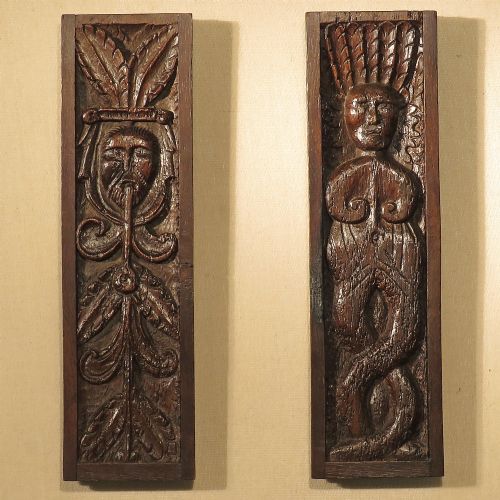
Several panels proudly feature carved Green Men, peering out through centuries of oak with defiant leafy grins.
Quality variations
Quality rests upon the depth of the carving, the crispness of the detail in high-relief figures like Green Men or putti, and the integrity of the original material. Early sixteenth-century carvings display confident tool marks and organic proportions that distinguish them from later decorative copies.
For textiles and tapestries, the survival rate of the original wool and silk threads, the complexity of the narrative scenes, and the preservation of colour dictate the standing of the piece within the range.
Icilio Federico Joni·Samson
The Renaissance Wall Panels Glossary
- Linenfold
- A style of wood carving that imitates folded linen, commonly seen on sixteenth-century panels. This treatment creates vertical folds that give flat timber a draped textile appearance.
- Overmantle
- A decorative panel or mirror placed above a fireplace mantel. These architectural elements often incorporate extensive carved woodwork.
- Tapestry
- A form of textile art woven on a vertical loom using wool, silk, and metal threads. Historical examples depict narrative scenes from classical or religious sources.
- Grotesque
- An ornamentation style featuring fanciful human and animal forms intertwined with foliage. It originates from classical Roman decoration rediscovered during the Renaissance.
- Terme
- A pillar or pedestal tapering downward, surmounted by a carved bust or figure. They frequently serve as architectural supports or terminals.
Renaissance Wall Panels: Frequently Asked Questions
How do I hang heavy oak panels?
Heavy oak and walnut panels require secure batten systems screwed directly into wall studs to bear the substantial weight safely. Professional installation prevents strain on the ancient timber frames.
Ensure the mounting hardware matches the specific construction of your walls, whether lath and plaster or modern brick, to maintain long-term stability.
Are textile panels sensitive to light?
Wool and silk tapestries suffer degradation when exposed to direct sunlight over extended periods. Position these textile wall hangings away from bright windows to preserve the natural dyes.
Rotating pieces or utilising UV-filtering glass on framed needlepoints and embroideries further protects the delicate fibres from fading.
How do I clean carved wooden panels?
Dust carved oak and walnut surfaces gently using a dry, soft-bristled brush to reach deep into the recesses of linenfold or relief designs. Avoid water or liquid polishes that can sink into unsealed historic wood.
Regular, gentle dusting prevents particulate accumulation without introducing moisture that risks warping the ancient timber.
What is the difference between sixteenth and nineteenth-century panels?
Sixteenth-century panels exhibit the tool marks, wear patterns, and seasoning characteristic of active period production. Wood surfaces from this era often show deeper patination and shrinkage consistent with centuries of age.
Nineteenth-century revival pieces reproduce these historic styles, such as Renaissance Revival or Gothic Revival, using period machinery or deliberate stylistic imitation while employing older timber or contemporary materials.