
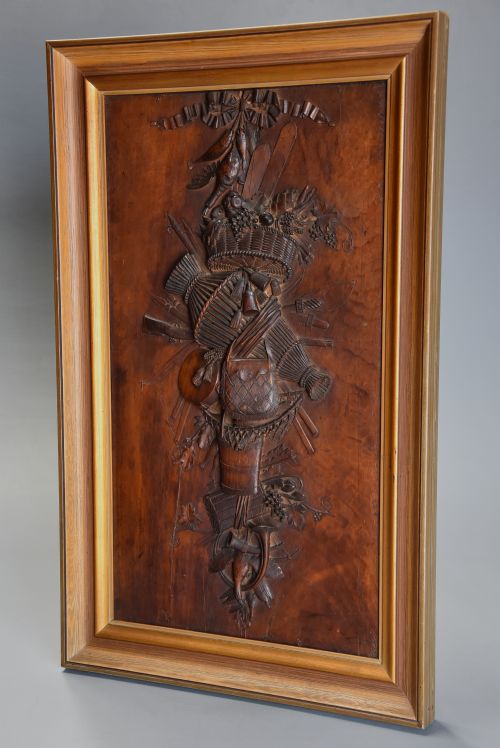


Antique French Wall Carvings
Antique French wall carvings bring interior architecture alive, offering hand-chiseled panels, mirrors, and reliefs shaped from walnut, oak, and giltwood.

Antique French Wall Carvings
Antique French wall carvings encompass architectural salvage, wall panels, mirrors, and reliefs spanning several centuries from the sixteenth to the nineteenth. Buyers searching this phrase look for decorative woodwork originating from French chateaus and homes, often displaying traditional motifs.
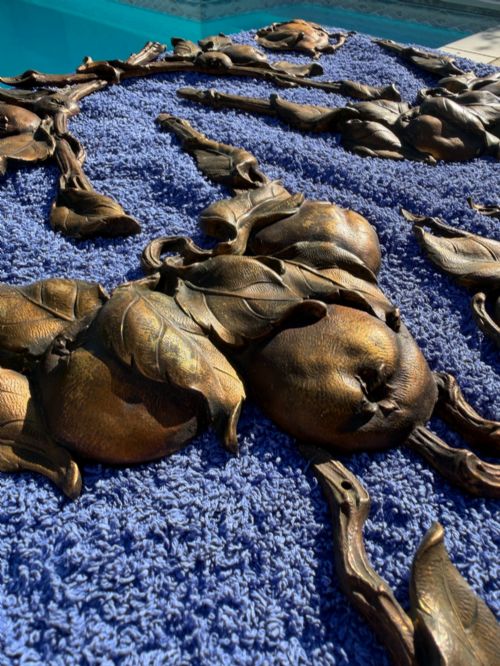
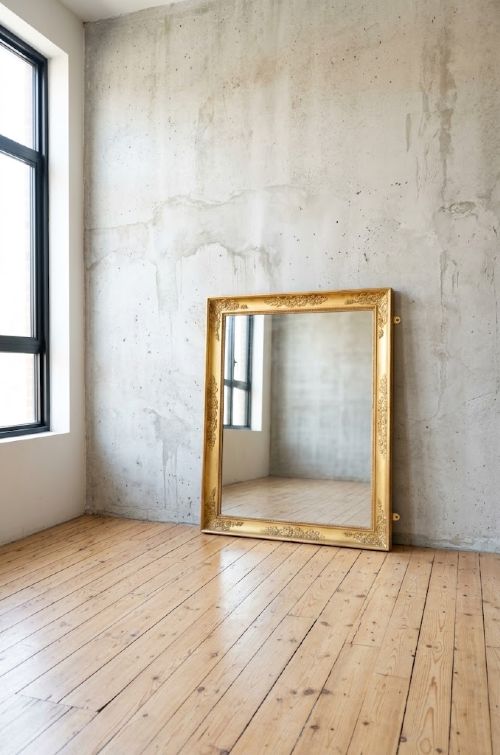
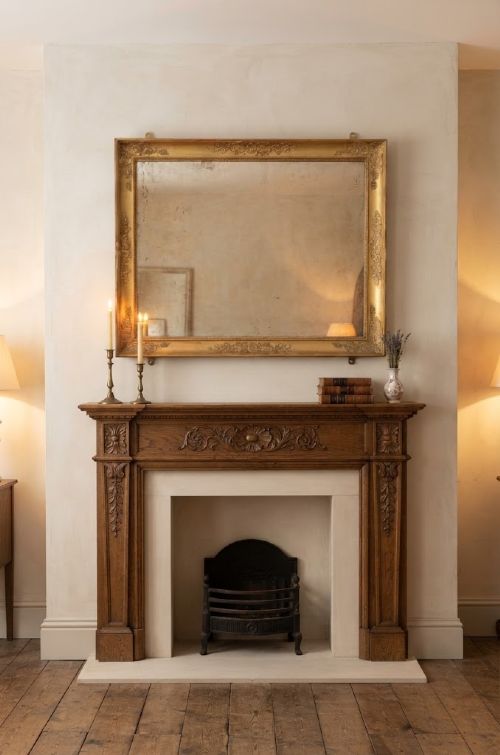
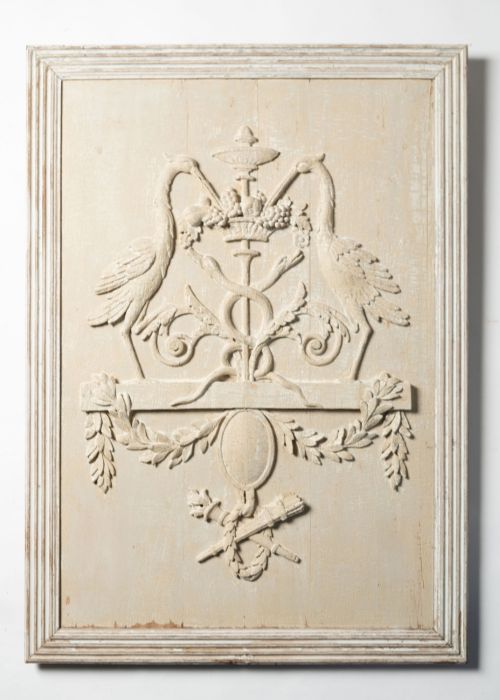
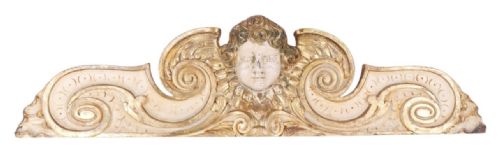
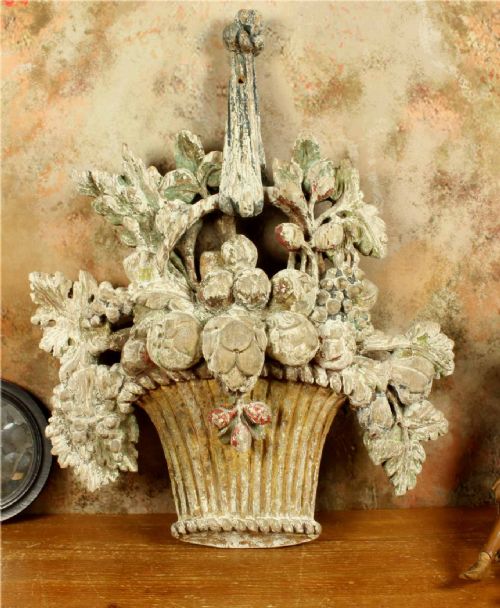
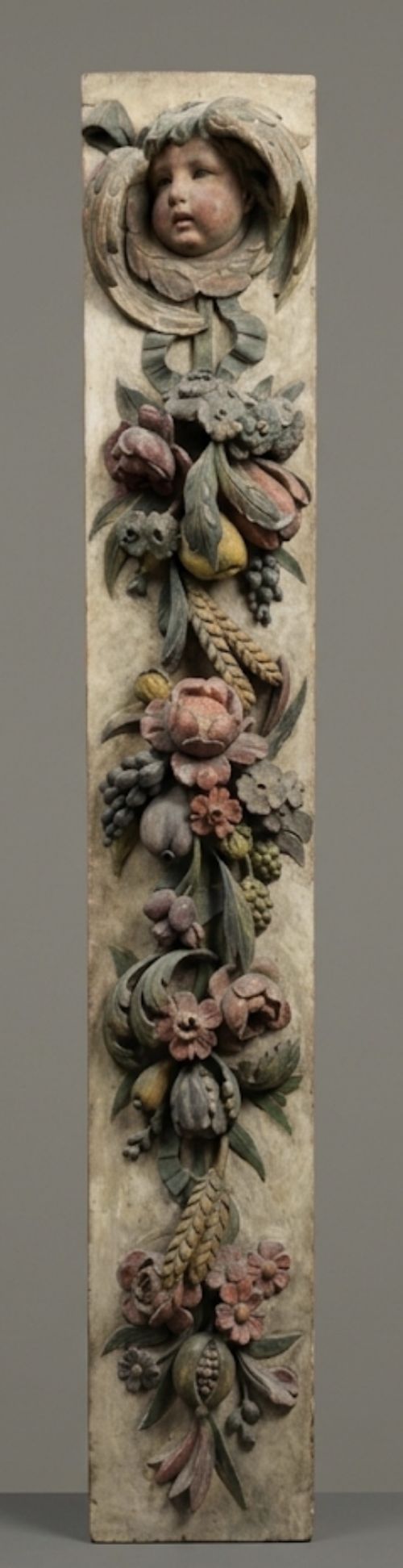
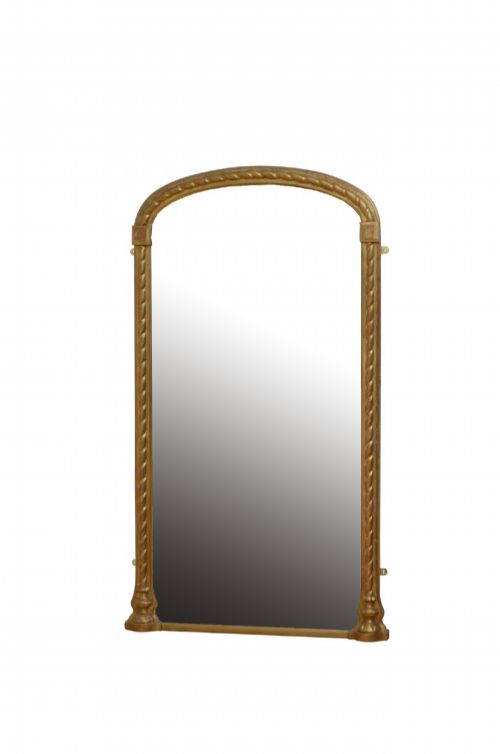
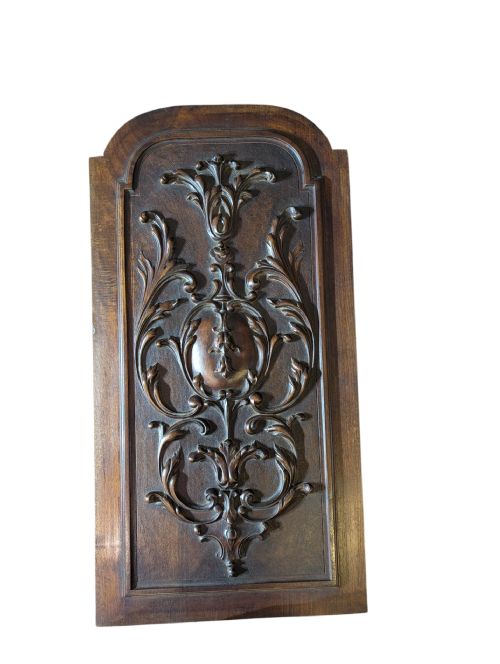
The pieces most commonly encountered on this page date from the nineteenth century, including giltwood mirrors, carved wooden panels, and floral reliefs. Items range from large over-door carvings depicting cherubs to smaller appliqués and decorative panels in walnut and fruitwood.
How they were made
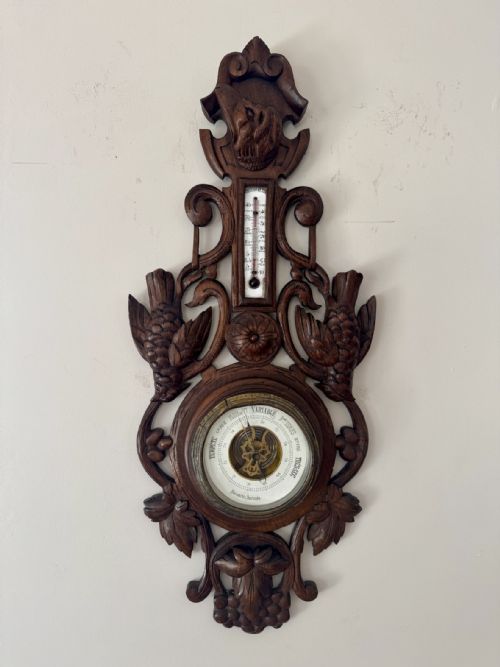
Carvers shaped these pieces primarily from solid timbers such as walnut, oak, and fruitwood, utilising traditional hand tools to achieve depth and detail. Panels and architectural elements often display deep relief work, carved entirely by hand.
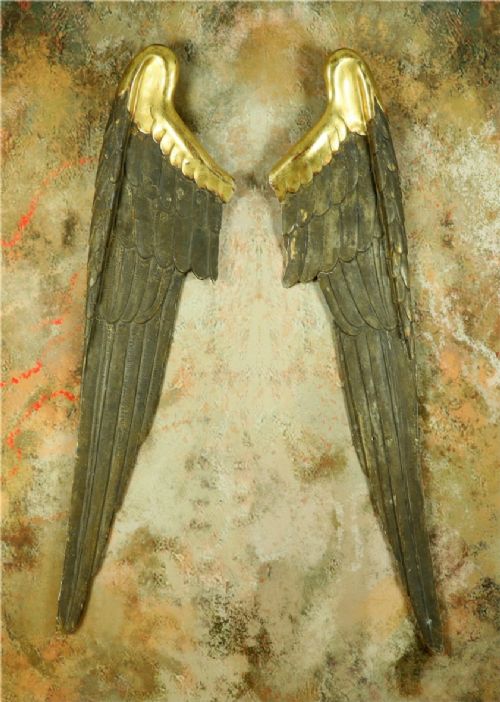
Many wooden surfaces received layers of gesso and gold leaf to create a rich giltwood finish. Polychrome paint was also applied to select panels, adding colour to figural and floral subjects.
Listings span from the 16th century through to the late 19th century, incorporating walnut, oak, fruitwood, gesso, and gold leaf.
What varies in quality
Quality rests in the precision and depth of the hand-carving, where crisp details in figures, foliage, and mythological motifs distinguish superior work. Exhibition pieces display finer anatomical proportion and more complex composition.
The integrity of the original surface finish, whether aged gold leaf, gesso, or raw timber, dictates the visual authority of the piece. Untouched patination holds greater appeal than heavy modern restoration.
Poix Blin·Hugues Sambin
The Antique French Wall Carvings Glossary
- Giltwood
- Timber coated with gold leaf over a prepared gesso base. This finish catches the light and adds a reflective warmth to decorative wall elements.
- Appliqué
- A carved ornamentation applied to a larger surface. These elements often frame mirrors or decorate architectural woodwork.
- Terme
- A pillar or pedestal tapering towards the base, frequently topped with a bust or figure. Sixteenth-century examples follow Renaissance design principles.
- Polychrome
- Decorated in multiple colours. This technique brings painted realism to wooden panels and figural reliefs.
Antique French Wall Carvings: Frequently Asked Questions
Where were these carvings originally placed?
Many items originated as interior architectural elements inside French chateaus and townhouses, serving as over-doors, wall panels, and pier mirror frames.
Other pieces functioned as standalone wall reliefs, decorative brackets, or architectural salvage rescued during interior alterations.
How do I hang a heavy wooden panel?
Heavy wooden panels require secure wall anchors and robust steel fixings rated to support the specific weight of the timber and gesso.
Professional installation is advisable for monumental pieces and large mirrors to ensure the weight distributes evenly across the wall studs.
How should I clean giltwood and carved wood?
Dust carved surfaces gently with a soft, dry brush to prevent dirt accumulation in the recesses of the relief work.
Avoid liquid cleaners, polishes, and abrasive cloths, as moisture and chemicals damage historic gold leaf and fragile gesso layers.
How do I identify a nineteenth-century piece?
Nineteenth-century carvings often adopt historic styles such as Rococo, Baroque, and Neoclassical, reflecting revival movements popular across France.
Tool marks, timber shrinkage, and the ageing of the underlying gesso help distinguish nineteenth-century production from modern reproductions.