





Antique Walnut Relief Carvings
Antique walnut relief carvings bring deep timber texture and historic narrative to a room, ranging from early Tudor panels to detailed Black Forest hunting scenes.

Antique Walnut Relief Carvings
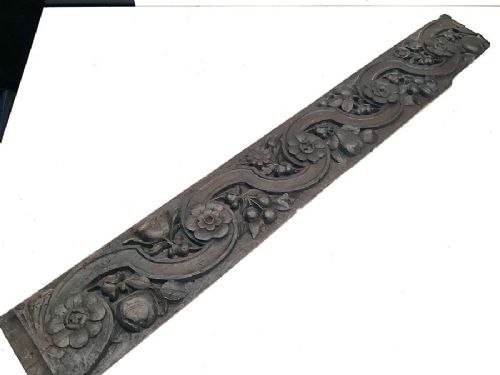
When you search for antique walnut relief carvings, you encounter sculptural woodwork designed for walls, panels, and architectural salvage. These pieces transform flat timber surfaces into three-dimensional scenes, figures, and heraldic displays.
You are most likely to meet French and German examples from the nineteenth century, alongside earlier seventeenth-century panels and sixteenth-century fragments. Their forms span architectural carvings, wall plaques, armorial panels, and figural wall sculptures.
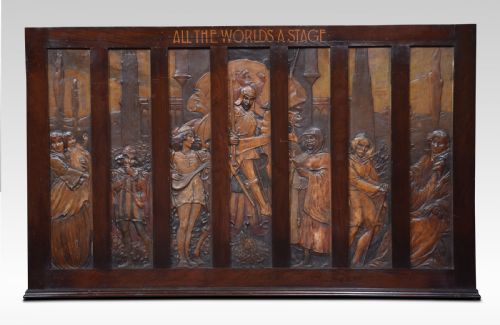
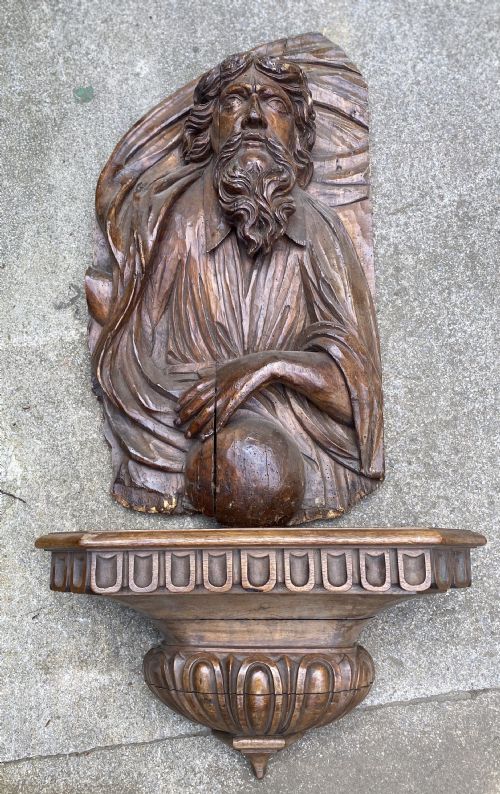
The subjects depicted range from biblical scenes and classical termes to hunting dogs, horses, and theatrical literary references. Each piece serves as a self-contained focal point originally integrated into grand interiors or architectural schemes.
How they were made
Carvers shaped these relief panels directly from solid walnut and associated timbers such as fruitwood and oak, sometimes incorporating ebonised wood for contrast. The primary method relied on hand chiselling to carve deep projections and undercut details from the timber block.
Makers utilised the dense grain of walnut to achieve crisp lines and fine facial expressions without the wood splintering. Architectural framing and panel construction provided stability to larger carved surfaces as the timber aged.
Antique Walnut Relief Carvings Retail Price Guide 2026
Typical asking prices for walnut relief carvings among the pieces listed under this phrase on Sellingantiques today, from the lower quarter to the upper quarter. They describe what is for sale here now, not the wider market.
The listings span periods from the sixteenth century to the late nineteenth century, predominantly utilising walnut alongside oak, fruitwood, and ebonised timber.
What varies in quality
The depth and conviction of the hand carving dictate the quality of the piece, separating flat mechanical work from confident artistic execution. Skilled carvers achieved naturalistic movement in figures, drapery, and animal musculature.
The preservation of the original timber surface and the clarity of the underlying wood grain also determine the standing of a panel. Pieces retaining their early patination without heavy modern intervention command greater respect.
The Antique Walnut Relief Carvings Glossary
- Relief carving
- A sculptural technique where figures and ornaments project from a flat background surface. This method creates dimensional depth while the back of the wood remains attached to a wall or panel.
- Black Forest
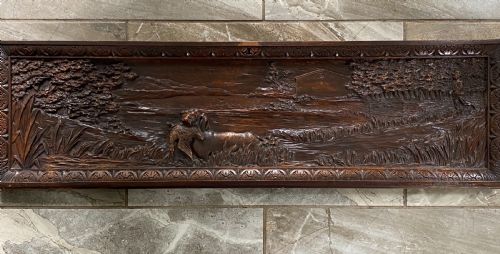
- A nineteenth-century German regional style renowned for deeply carved animal subjects and naturalistic foliage. These pieces frequently depict hunting scenes with dogs, stags, and horses.
- Terme
- A pillar or pedestal tapering downward, topped by a bust or upper human torso. This classical form appears in sixteenth-century architectural woodwork.
- Armorial panel
- A carved wooden display featuring a coat of arms, crest, or heraldic symbols. Such panels marked lineage and noble patronage in historic interiors.
Antique Walnut Relief Carvings: Frequently Asked Questions
How were antique walnut relief carvings displayed?
These carvings served primarily as architectural elements, wall plaques, or overdoor panels within historic buildings and chateaux. They were integrated directly into wood panelling or hung independently as decorative pictures.
Over time, many pieces were removed from their original architectural context to be preserved and displayed as standalone wall art in domestic interiors.
What subjects appear on these panels?
The subject matter spans religious figures, classical mythology, literary references, and regional hunting themes. Human figures, horses, and hounds feature prominently in deep relief.
Some panels display heraldic armorial bearings or architectural ornamentation, reflecting the tastes of the period in which they were carved.
How do I date a walnut relief carving?
Dating relies on stylistic markers, costume details, and the tool marks left on the timber by the carver. Pieces from the sixteenth and seventeenth centuries exhibit distinct Renaissance or Baroque structural conventions.
Nineteenth-century revivals often reinterpreted these earlier historic styles, incorporating distinct regional aesthetics such as Black Forest or French Louis XIII designs.
How should I care for wall relief carvings?
Protect the wood by mounting the panel away from direct heat sources and sudden changes in room humidity. Stable environmental conditions prevent the timber from splitting or warping.
Dust the carved recesses gently with a soft brush and avoid applying modern chemical polishes that can alter the historic patination of the walnut.