


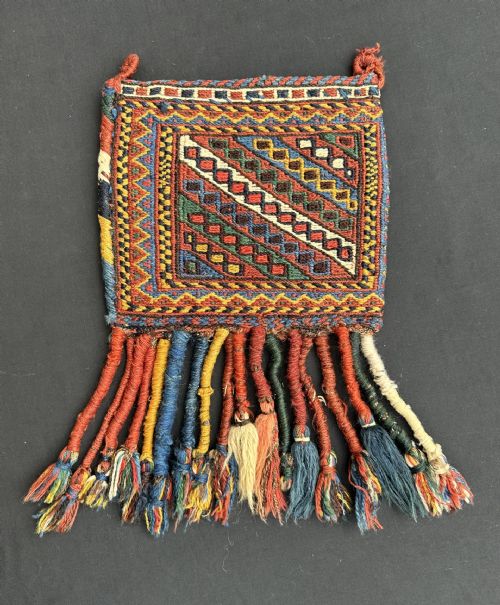

Geometric Woven Wall Hanging
A geometric woven wall hanging brings the bold tribal patterns and rich wool textures of nomadic textiles directly into your interior.
Geometric Woven Wall Hanging
When you search for a geometric woven wall hanging, you are exploring the practical textile components of nomadic and tribal life transformed into decorative art. These pieces originate from regional weaving traditions across Persia, Central Asia, and the Caucasus, spanning the nineteenth and early twentieth centuries.
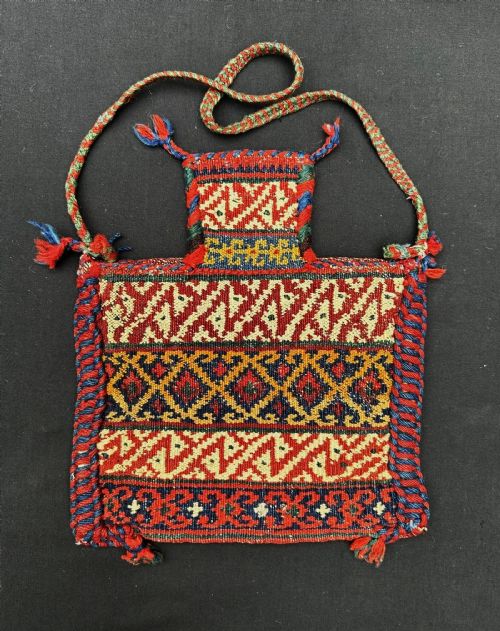
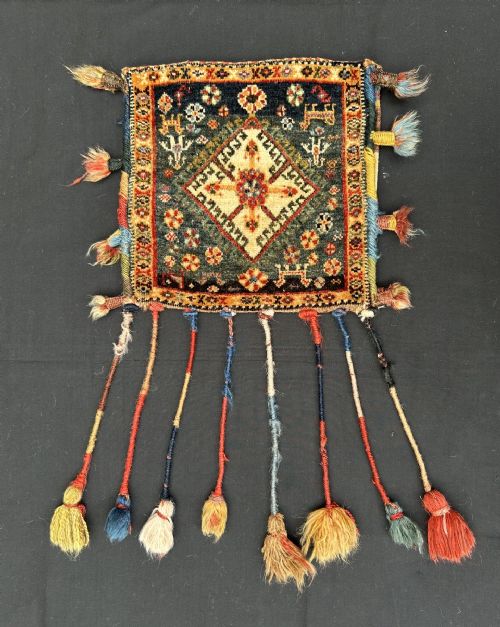
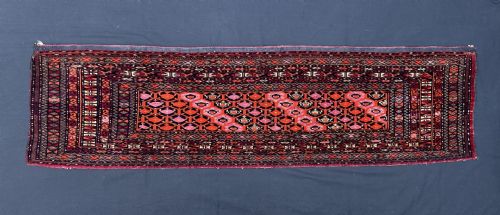
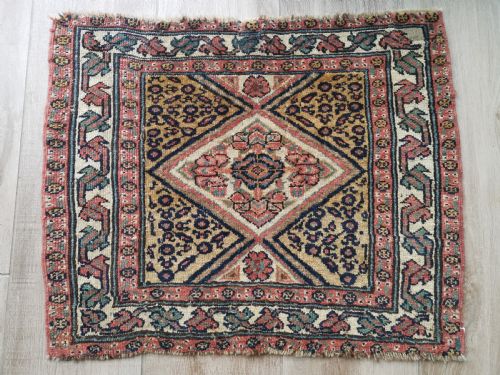
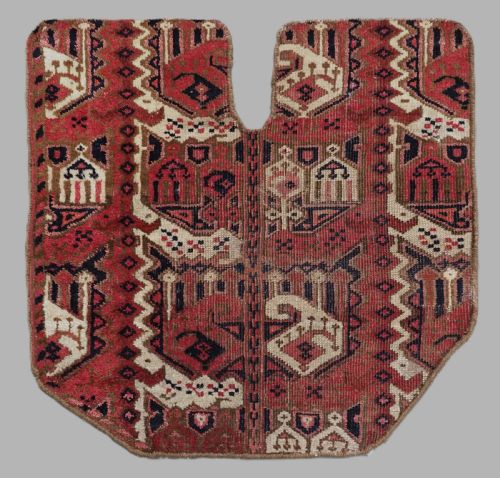
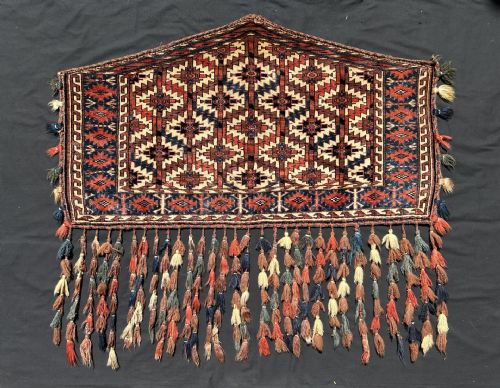
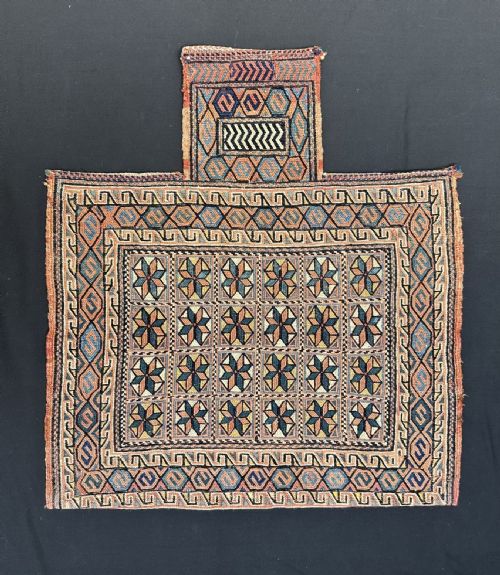
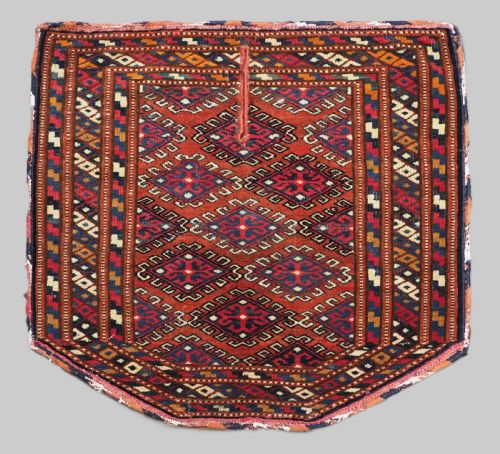
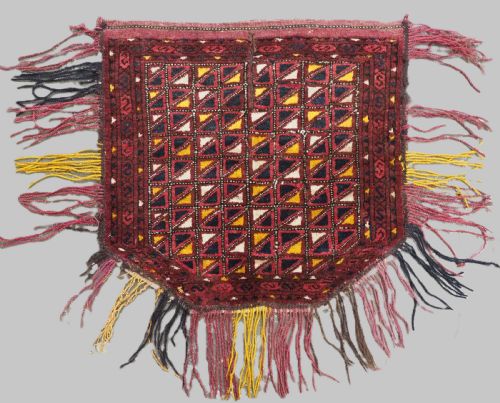
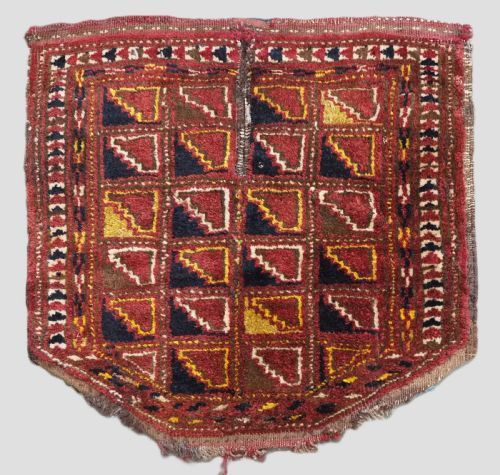
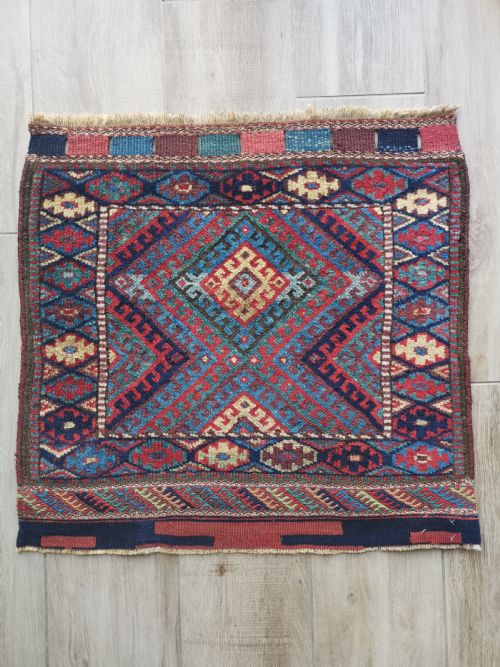
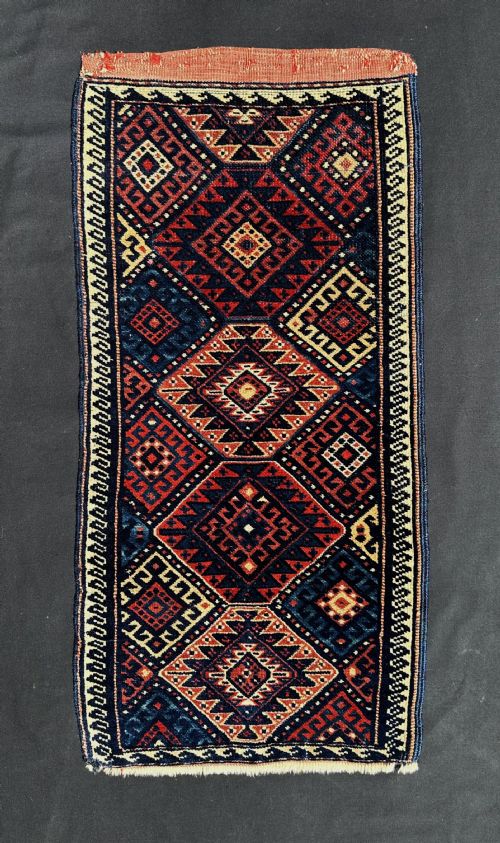
On this page, you will most frequently encounter utilitarian items repurposed for display, such as bagfaces, torbas, salt bags, and saddle covers. These objects naturally display striking symmetrical motifs, medallions, and repeat patterns that suit modern interior walls.
Tribal makers produced these textiles using durable flatweave techniques or piled knots designed for heavy daily use in tents and settlements. Their enduring appeal lies in the strength of their rectilinear compositions and regional colour palettes.
Materials and construction methods
Weavers relied primarily on hand-spun wool for both the foundation warps and the visible weft yarns, ensuring a supple yet resilient handle. Natural dyes derived from local plants and minerals provided the deep reds, indigos, and ivory grounds characteristic of these regional pieces.
Techniques varied between simple plain weave structures, supplementary weft patterning, and intricate soumak work which created a textured, slightly raised surface effect. Occasional panels incorporated cotton for structural contrast or raffia details depending on the specific tribal origin.
Many of these textiles spent decades loaded onto camels before finding their way onto quiet sitting room walls.
Assessing quality in tribal weaving
The standard of a piece depends heavily on the fineness of the spin and the tightness of the weave, which dictated durability and precision of line. Master weavers achieved exceptional clarity in their repeating motifs through disciplined counting and meticulous control of the loom.
Colour saturation and the harmonious balance of natural dye variations also separate finer examples from standard utilitarian work. Pieces retaining original finishes, such as tassels, complete plain weave backs, or intact borders, demonstrate superior preservation.
The Geometric Woven Wall Hanging Glossary
- Torba
- A small storage bag produced by Turkmen tribes, featuring an open face designed to hang inside a yurt. They often display characteristic gul motifs and tiered borders.
- Soumak
- A flatweave technique using supplementary weft wrapping that creates a sturdy fabric with a ribbed, braided texture on the face and loose threads on the reverse.
- Bagface
- The decorative front panel of a nomadic storage bag, separated from its original backing and repurposed as a compact hanging. These pieces concentrate the weaver's best design work.
- Sofreh
- A flatwoven textile traditionally used as a spread for sharing meals or preparing bread. They frequently exhibit striking graphic fields free of central medallions.
- Khorjin
- A traditional double saddlebag used for transport on pack animals during tribal migrations. Surviving halves display complete compositions adapted to vertical display.
Geometric Woven Wall Hanging: Frequently Asked Questions
How do I hang a textile safely?
Support the weight evenly across the top edge using a cotton sleeve stitched to the reverse, or mount it gently between conservation-grade materials.
Avoid direct heavy clamping that can crush the wool fibres or distort the original geometric alignment of the weave.
What is a tribal bagface?
A bagface is the ornamental front section of a functional storage pouch woven by nomadic women for household use. These panels contain the most intricate geometric work of the original vessel.
They survived while utility backs wore out, making them ideal compact formats for wall display.
How are natural dyes identified?
Natural dyes present subtle tonal variations and depth, often mellowing gracefully over decades without losing their core resonance. Chemical dyes introduced later tend to sit more flatly on the wool.
Examining the individual yarn fibres closely reveals the subtle shifts in shade typical of plant-based dyeing.
Where did these tribal weavings originate?
The pieces hail from nomadic confederations and settled tribal groups across Persia, Turkmenistan, and the Caucasus. Each region developed distinct palettes and motif vocabularies.
Afshar, Yomut, and Shahsavan communities are among the prominent groups represented in these historical traditions.