

Wool Tribal Bag
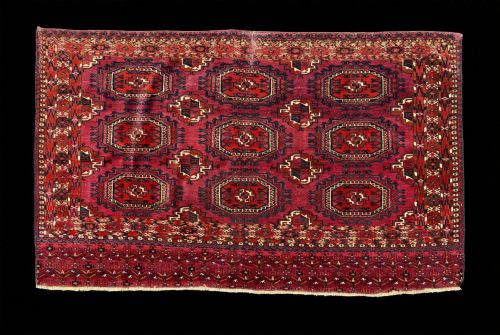
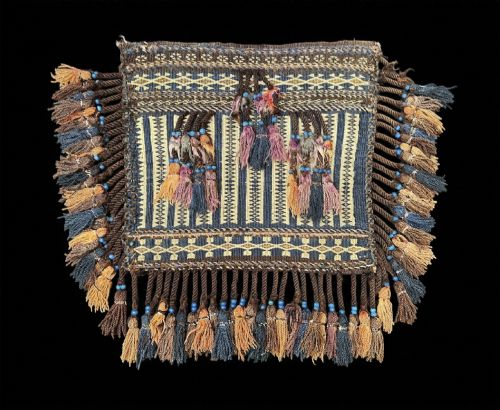
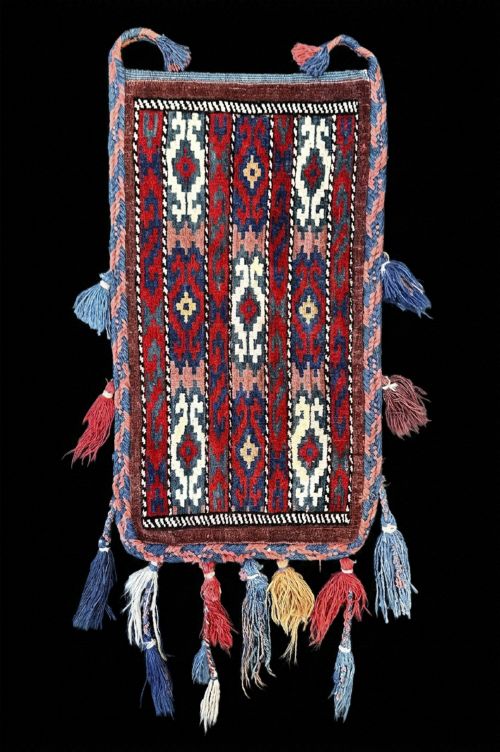
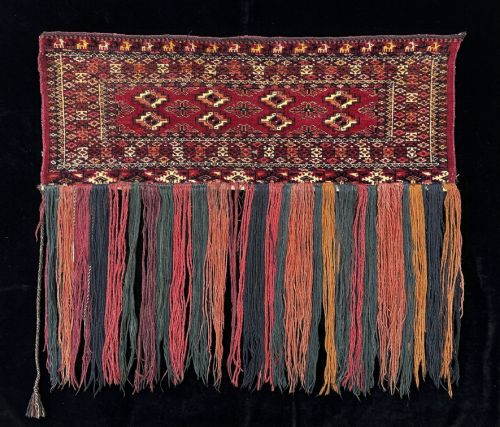
When you search for a wool tribal bag, you are looking at utilitarian nomadic woven containers created across Persia, Central Asia, and Anatolia during the nineteenth and early twentieth centuries.
Wool Tribal Bag
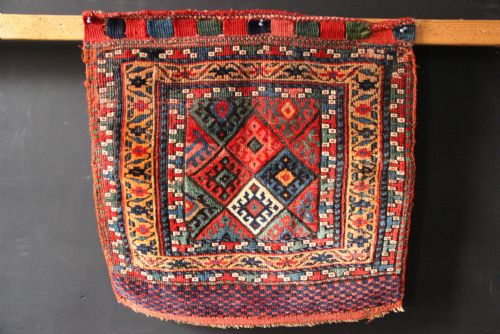
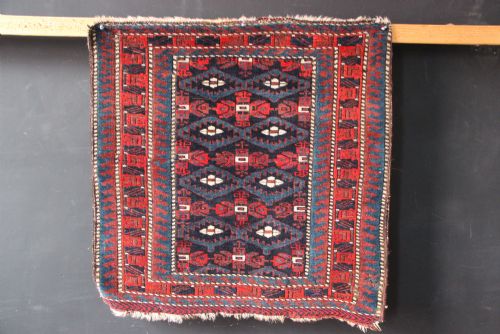
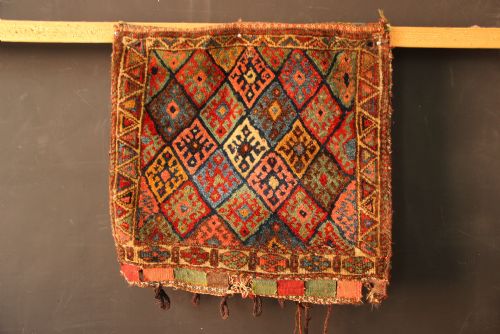
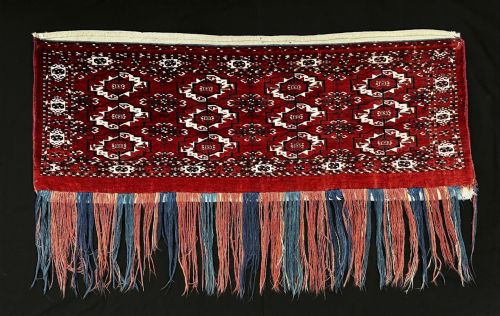
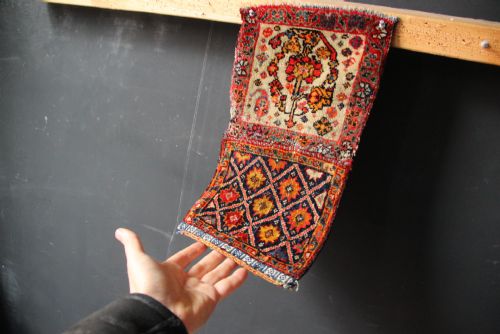
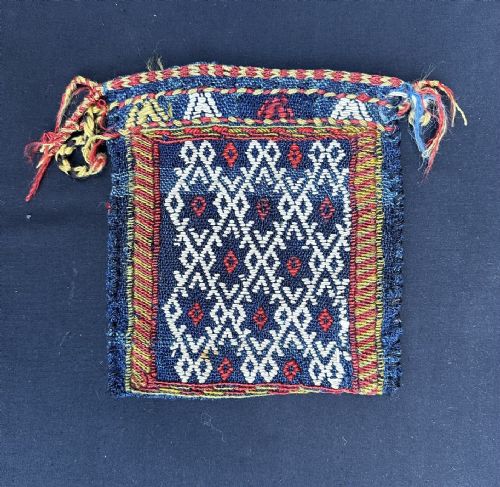
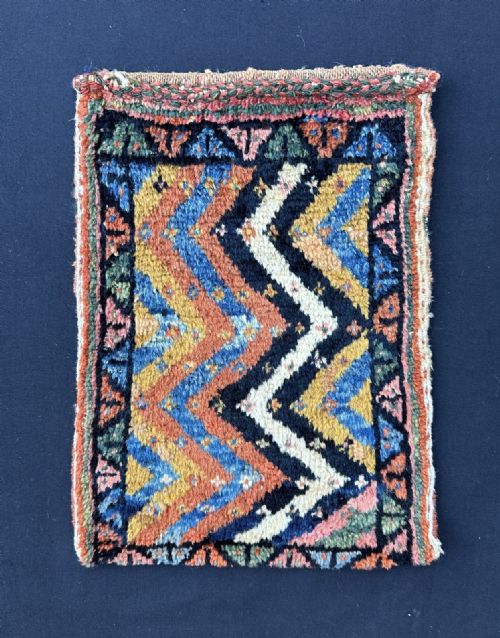
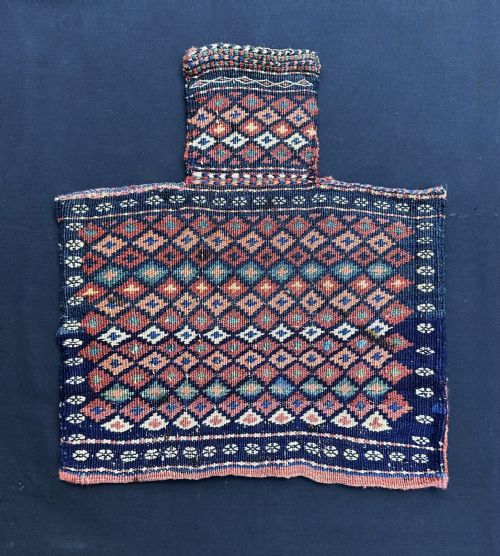
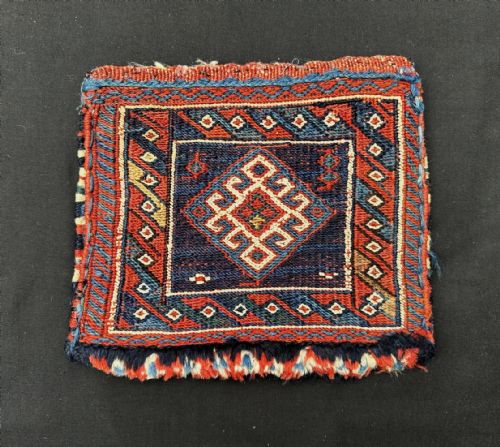
A wool tribal bag encompasses diverse forms utilised by nomadic and village groups, including salt bags, vanity bags, saddle bags, and storage receptacles. These pieces reflect the specific daily requirements of pastoral life, from transporting household goods to holding personal possessions.
The items encountered on this page originate from tribal confederacies and regions such as the Qashqai, Afshar, Turkmen, Baluch, and Kurdish groups. Dating predominantly from the mid-nineteenth century to the early twentieth century, these textiles carry traditional motifs tied to specific tribal lineages.
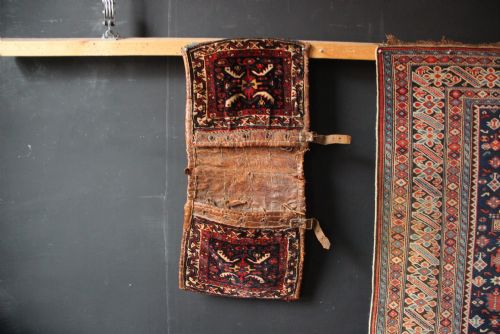
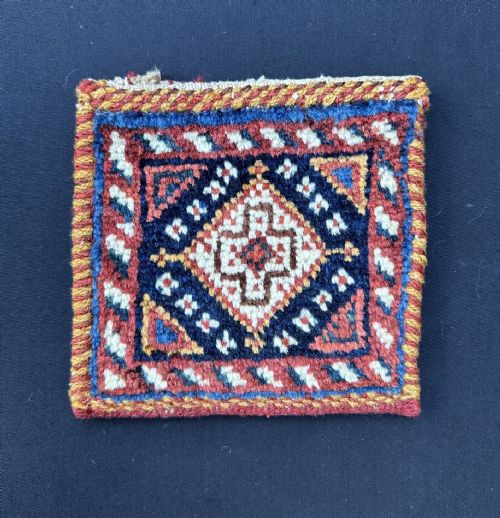
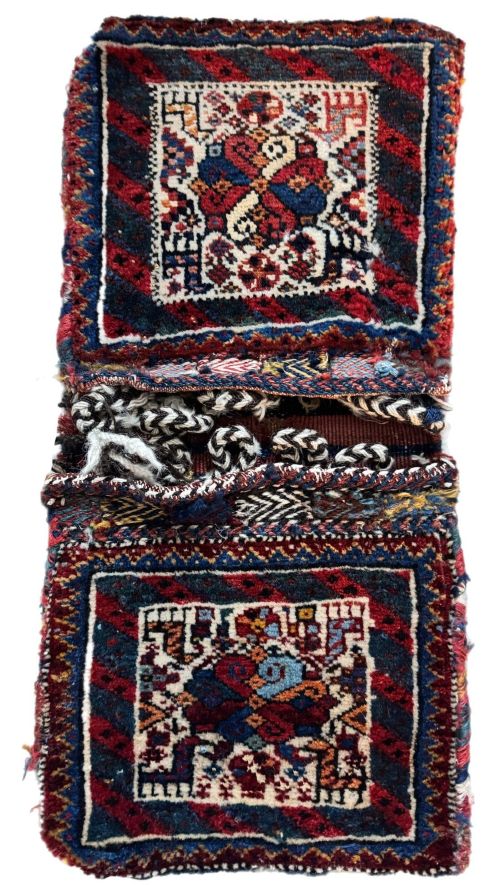
Many examples survive as bag faces or complete khorjin assemblies, while others are adapted into cushions. They bridge practical utility and artistic expression through structured geometric patterns and symbolic designs.
Materials and Construction Techniques
The primary material is hand-spun wool, often combined with cotton foundations and natural dyes derived from plants and minerals. Some textiles incorporate supplementary materials like glass beads, silk, and cowrie shells for ornamentation.
Weaving techniques include pile knots and flatweave structures such as kilim, soumak, and plain weave. These methods allowed nomads to produce dense, durable fabrics capable of withstanding heavy daily use.
Wool Tribal Bag Retail Price Guide 2026
Typical asking prices for wool tribal bag among the pieces listed under this phrase on Sellingantiques today, from the lower quarter to the upper quarter. They describe what is for sale here now, not the wider market.
Listings feature pieces spanning the mid-nineteenth century through the early twentieth century, utilising wool, natural dyes, and cotton.
Judging Quality in Nomadic Textiles
Quality rests upon the fineness of the weave, the handling of the wool, and the depth of the natural palette. Tighter knotting and precise geometric execution separate finer workshop or tribal output from coarser utility pieces.
The condition of the wool, the retention of original flatweave backs, and the vibrancy of natural dyes dictate the desirability of a piece. Structural integrity and the preservation of original borders or closures further distinguish superior examples.
The Wool Tribal Bag Glossary
- Khorjin
- A traditional double-sided saddle bag used by nomads for transport and storage. These pieces were joined by a central slit and draped over animals.
- Chuval
- A large storage bag produced by Turkmen tribes for household organisation inside a yurt. They often display distinctive guls and fine pile construction.
- Torba
- A smaller hanging bag utilised within nomadic dwellings for storing personal items or utensils. This format frequently incorporates subsidiary hanging loops.
- Salt-bag
- A utilitarian container designed with a tapered neck for holding salt or other provisions. These items display dense flatweave or pile surfaces.
- Chanteh
- A small vanity or personal bag carried or kept within the tent. They represent some of the most intimately detailed nomadic weaving.
Wool Tribal Bag: Frequently Asked Questions
What were wool tribal bags used for?
Nomadic groups utilised these containers for storing grain, salt, bedding, and personal belongings during seasonal migrations. They functioned as essential household goods within tents and portable dwellings.
Beyond simple storage, specific formats served specialised roles such as saddle transport, wedding gifts, or containers for water pipes and tobacco.
How do I care for an antique tribal bag?
Protect the wool by keeping the textile out of direct sunlight to prevent natural dye fading. Gentle vacuuming with a mesh screen safeguards the fibres from dust accumulation.
Avoid chemical cleaning agents and consult a specialist textile conservator for washing or structural repairs. Proper display conditions ensure the longevity of fragile pile and flatweave areas.
How can I tell different tribal designs apart?
Tribal attribution relies on specific colour palettes, structural formats, and characteristic motifs unique to regions like Fars, Khorassan, or Turkmenistan. Turkmen groups favour guls, while southern Persian confederacies often employ rich reds, blues, and boteh motifs.
Examining the selvedges, end finishes, and wool quality provides further clues regarding the specific nomadic group responsible for the weaving.
Are these bags complete or fragments?
Surviving examples appear as complete double saddle bags, single bag faces, or fragments adapted into small cushions and mats. Many bags lost their original backs through heavy use or separation over time.
Listings specify whether a piece retains its original plain weave back, hanging loops, or remains a standalone face.