





Fars Province Textile
A fars province textile brings the nomadic weaving traditions of south-west Persia into your interior with distinct tribal patterns.
Fars Province Textile
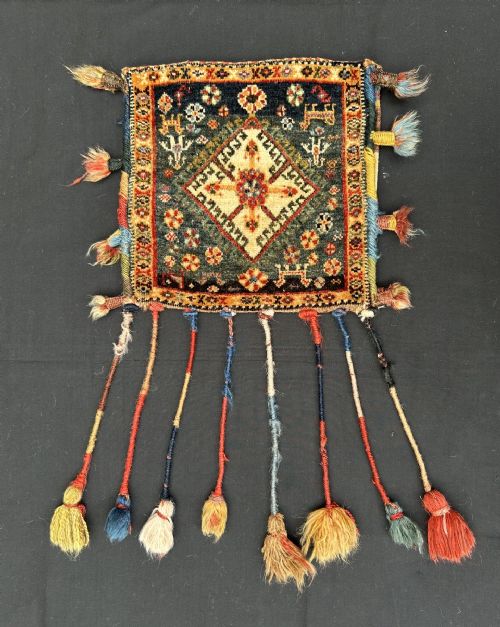
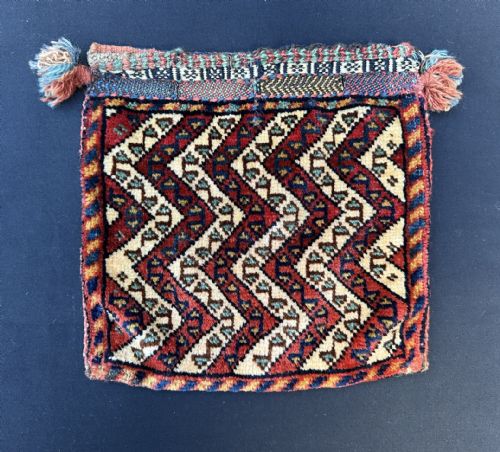
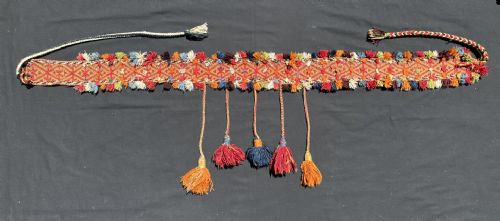
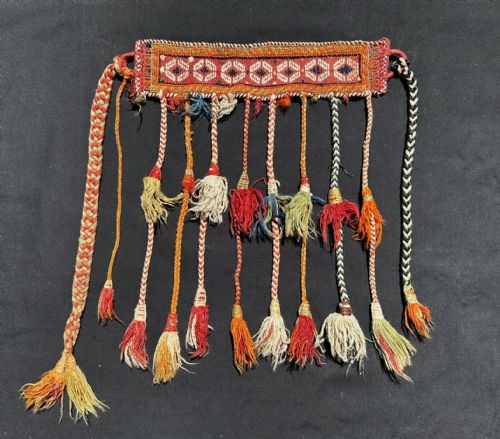
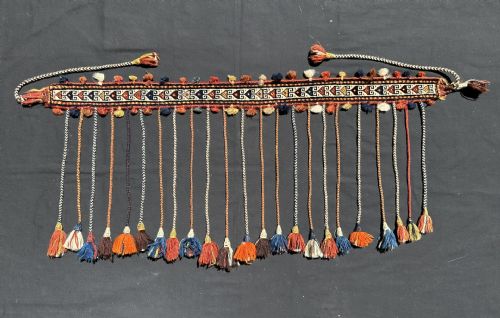
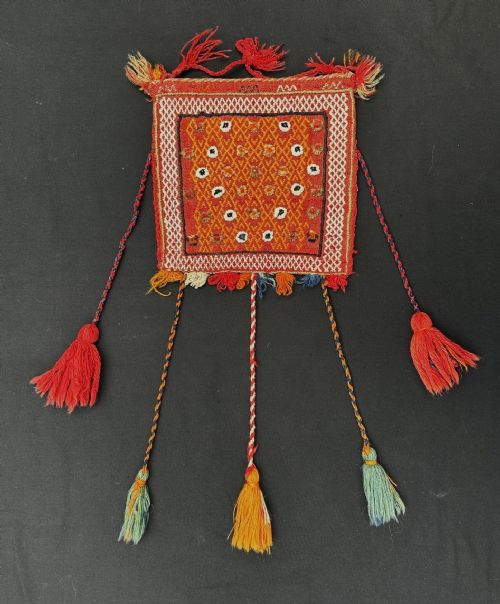
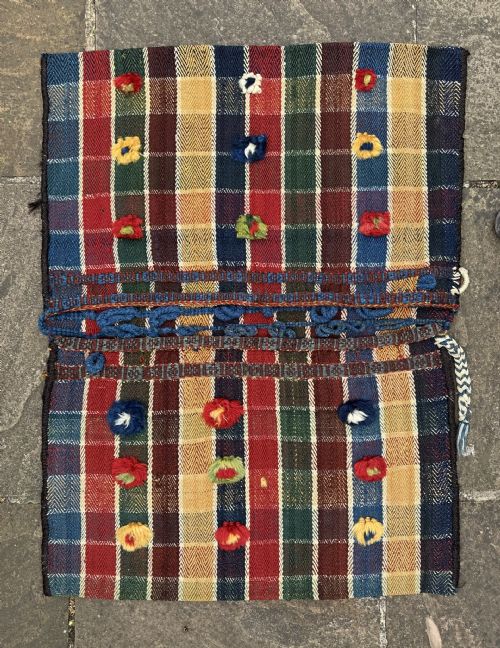
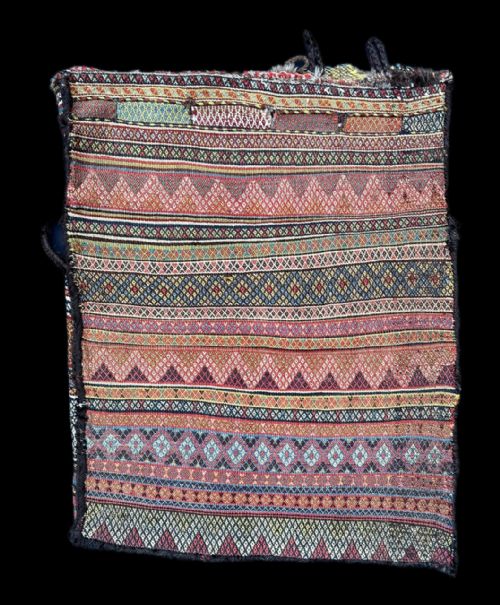
A fars province textile originates from the nomadic tribes of south-west Persia, specifically associated with the Qashqa'i confederacy and its sub-tribes. These functional items include vanity-bags, animal trappings, saddle-bags, salt-bags, and flatwoven covers known as moj.
You will most commonly encounter pieces produced around the late nineteenth and early twentieth centuries, spanning the period from 1880 to 1920. These objects reflect the daily utilitarian needs of pastoral life, translated into portable works of nomadic art.
Materials and Construction
The materials recorded in these weavings rely primarily on hand-spun wool and natural dyes, combined with cotton and occasional structural elements of wood and leather. Weavers utilised these local resources to create durable textiles designed to withstand rigorous nomadic travel.
The construction techniques vary from pile carpets to flatwoven surfaces and practical containers. Nomad makers integrated animal trappings, storage bags, and cradles using sturdy foundation materials that supported vibrant coloured wool.
Fars Province Textile Retail Price Guide 2026
Typical asking prices for fars province textile among the pieces listed under this phrase on Sellingantiques today, from the lower quarter to the upper quarter. They describe what is for sale here now, not the wider market.
The listings span the years 1880, 1900, and 1920, focusing on Qashqa'i tribal groups from south-west Persia.
Judging Quality in Tribal Weavings
The refinement of the wool and the depth of the natural dyes distinguish finer examples from standard utilitarian pieces. Hand-spun wool yields a tactile handle that improves with age, while well-fixed natural colourants retain their visual resonance.
The precision of the tribal patterns and the integrity of the original structure determine the success of the weaving. Intricate formatting on small pieces like vanity-bags and saddle-bag faces indicates the weaver's technical skill.
The Fars Province Textile Glossary
- Qashqa'i Confederacy
- A major tribal alliance in south-west Persia comprising multiple sub-tribes and lineages responsible for distinct weaving styles. Their textiles are celebrated for expressive animal motifs and rich colour palettes.
- Moj
- A traditional flatwoven cover or blanket produced by nomadic groups in south-west Persia. These pieces utilise geometric designs and vibrant hues for domestic utility within the camp.
- Saddle-Bag Face
- The decorative front panel of a utilitarian transport bag made for animal use. Collectors prize these fragments for concentrated pattern work.
- Natural Dyes
- Colourants derived from plant and mineral sources used historically in Persian tribal textiles. They impart a rich patina that synthetic alternatives do not replicate.
Fars Province Textile: Frequently Asked Questions
What is a fars province textile?
A fars province textile is a nomadic weaving originating from south-west Persia, created by groups such as the Qashqa'i confederacy.
These pieces include functional items like vanity-bags, storage bags, animal trappings, and flatwoven covers.
How were these bags used?
Nomadic families utilised these textiles for practical storage, animal transport, and domestic life during seasonal migrations.
Items ranged from salt-bags and saddle-bags to baby cradles and water-pipe containers used within the camp.
How do I date these textiles?
Dating relies on material analysis, dye characteristics, and tribal attributions recorded in nineteenth and early twentieth-century examples.
Most surviving pieces date from the period between 1880 and 1920, reflecting traditional nomadic production methods.
How do I live with them?
You can display these textiles as wall hangings, table coverings, or small accent pieces within various interior styles.
Their robust wool construction and portable nature make them adaptable for modern decorative use.