

Handwoven Tribal Bag
When you search for a handwoven tribal bag, you enter a world of nomadic utility transformed into intricate textile art.
Handwoven Tribal Bag
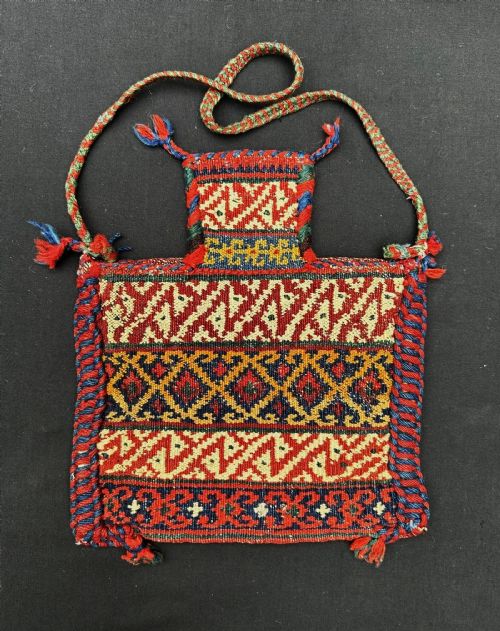
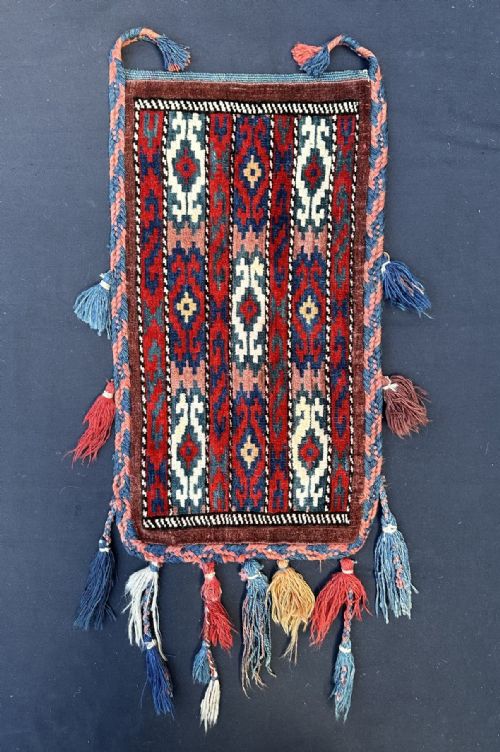
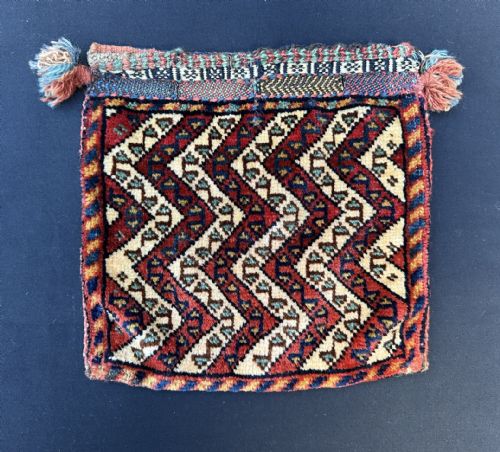
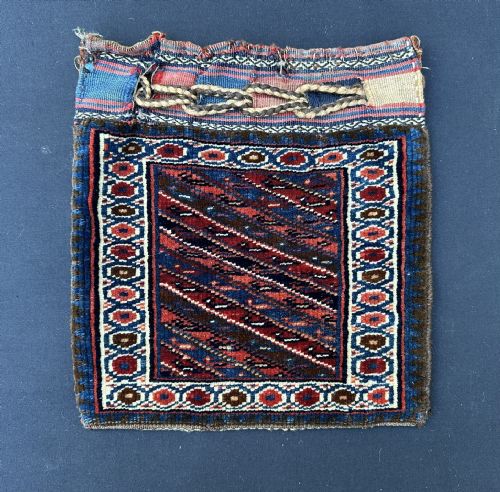
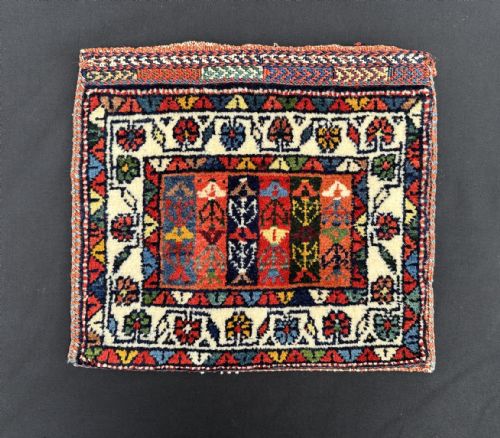
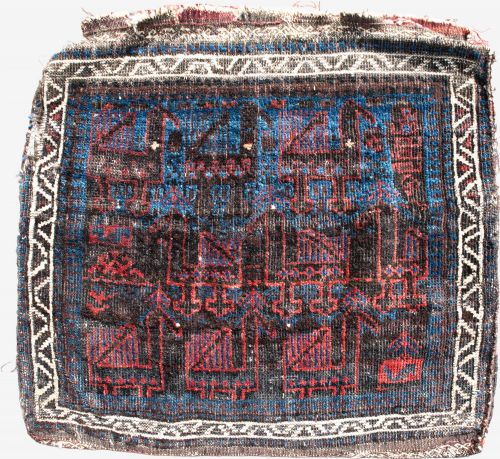
A handwoven tribal bag represents the utilitarian textiles produced by nomadic and village weavers across Persia, Central Asia, and Anatolia. These pieces served practical functions for storage and transport within tribal camps before finding a place in domestic interiors.
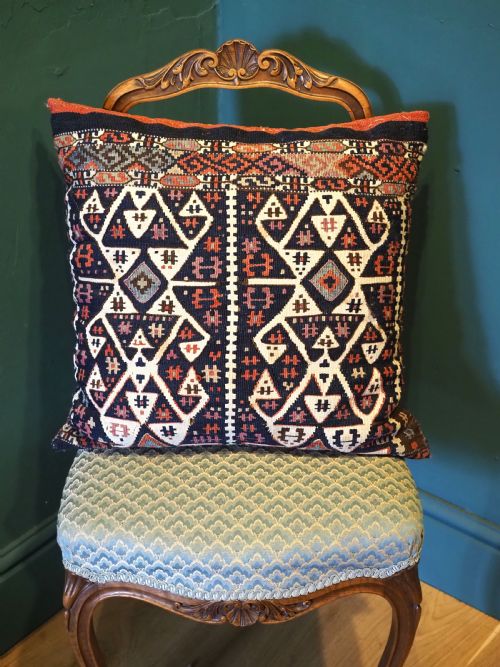
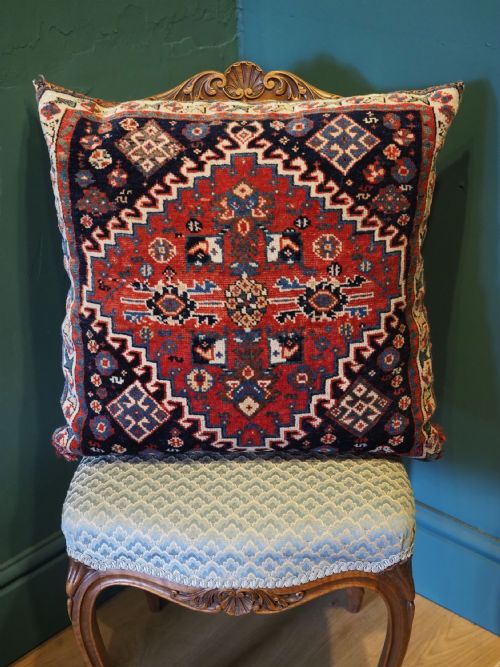
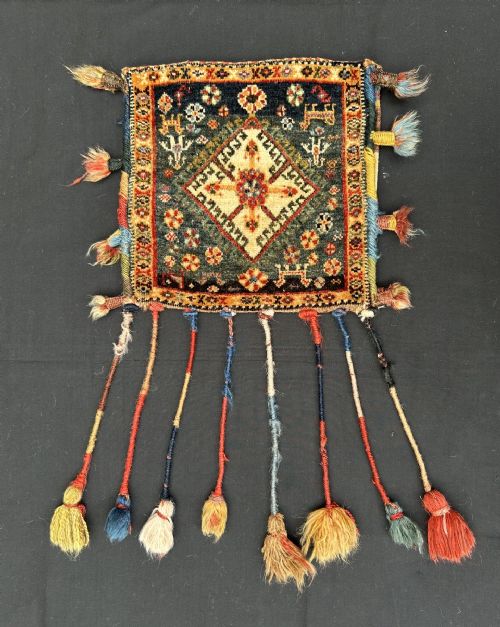
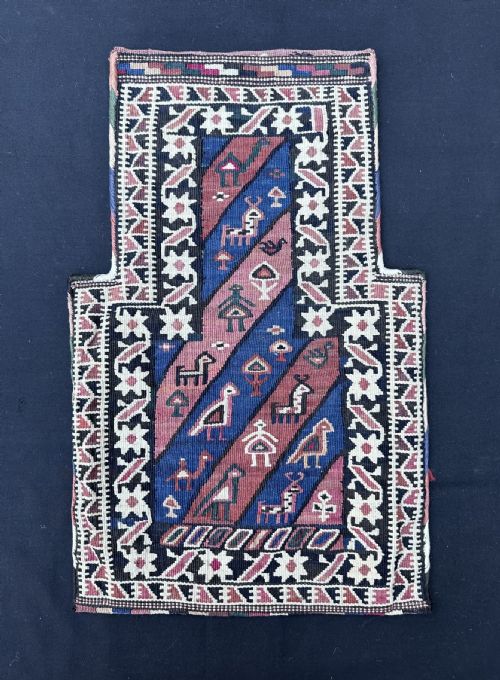
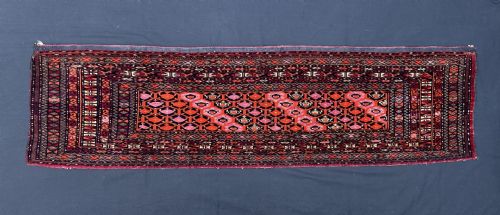
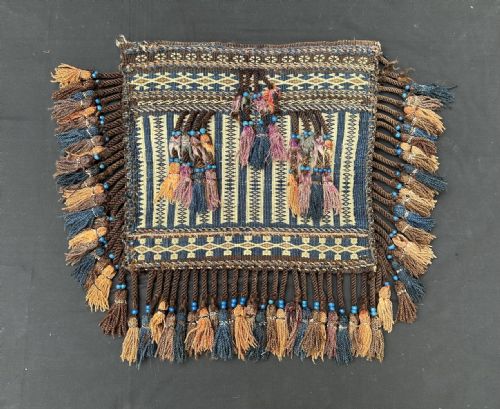
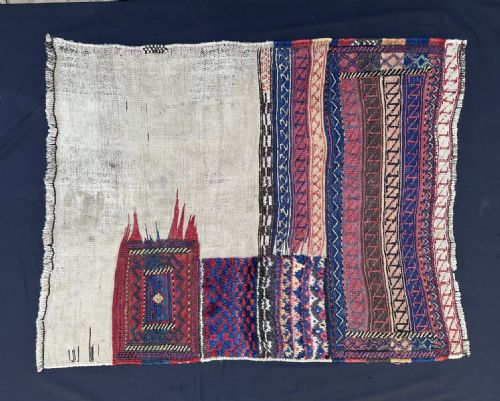
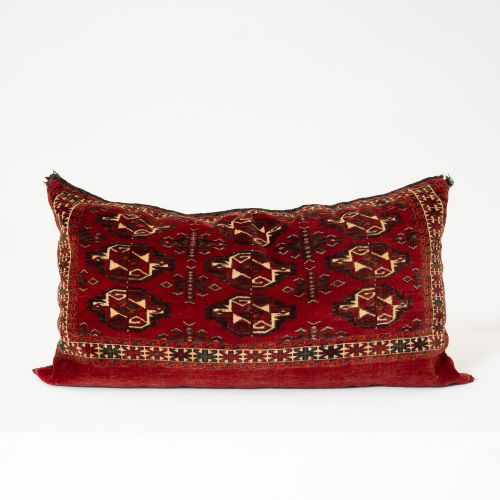
The most common examples encountered in this selection include storage bags, vanity bags, salt bags, and saddle bags originating from groups such as the Qashqai, Turkmen tribes, and Afshar nomads. Many survive as bag faces or complete pouches, often adapted into cushions.
The regional origins dictate the structural patterns and weaving methods, connecting each textile directly to the specific nomadic confederation or oasis culture that produced it during the nineteenth and early twentieth centuries.
Materials and construction
Weavers relied primarily on hand-spun wool for the pile and foundation, supplemented by cotton for structural stability and goat hair for durable side cords. Natural dyes provided the rich palette of reds, blues, and browns derived from local flora and fauna.
Additional ornamentation occasionally incorporated cowrie shells and glass beads stitched onto the woollen surface. The construction combined pile knotting with flatweave techniques, creating robust textiles designed to withstand daily nomadic life.
Listings feature wool, cotton, goat hair, and natural dyes across Persian, Central Asian, and Anatolian tribal origins dating from the nineteenth and early twentieth centuries.
Distinctions in quality
The fineness of the weave and the precision of the knotting set finer examples apart from coarser utilitarian items. A tightly packed foundation ensures greater longevity and sharper definition within complex tribal motifs like guls and curled leaf patterns.
The complexity and saturation of the natural dye palette also define the upper tier of pieces. Variations in tone, depth, and the skillful combination of contrasting hues reflect the skill of the dyer and the quality of the wool utilised.
The Handwoven Tribal Bag Glossary
- Gul
- A primary medallion or repeating octagonal motif frequently found in Turkmen tribal weaving. Each design often signifies a specific tribe or clan.
- Torba
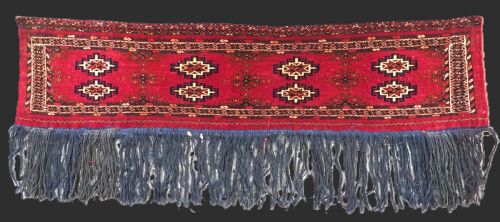
- A small storage bag produced by Turkmen and other Central Asian nomads. These pieces hung inside tents to hold personal possessions.
- Chuval
- A large storage bag utilised by nomadic groups for bedding and household goods. They display elaborate face designs executed in wool.
- Kilim
- A flatwoven textile lacking a pile, created by tightly interweaving warp and weft threads. Saddle bags often incorporate this technique.
- Mafrash
- A rectangular storage container or travel bag used in pairs by nomads. The face panels frequently survive independently as cushions.
Handwoven Tribal Bag: Frequently Asked Questions
What were tribal bags used for?
Nomadic communities used these woven containers for storing grain, salt, personal vanity items, and bedding inside tents or during migration. They hung from tent poles or rode loaded across pack animals.
Over generations, many of these utilitarian pouches have been preserved as decorative fragments, with surviving bag faces frequently mounted as cushions or wall panels.
How do I identify different tribal designs?
Different tribal confederations utilised distinct geometric motifs, border arrangements, and colour palettes. Turkmen weavers employed repeated octagonal guls, while Persian groups like the Qashqai and Afshar favored compartmented field patterns and animal forms.
Examining the structural weave and regional wool characteristics helps narrow down the specific tribe or geographical origin of each piece.
Are these bags made with natural dyes?
Traditional pieces from the nineteenth and early twentieth centuries rely on natural dye sources extracted from plants, roots, and insects. These colourants yield rich, variable tones that mellow gracefully over time.
Subtle tonal shifts within a single colour field often indicate the use of natural dye batches prepared in nomadic encampments.
How should I care for an antique textile?
Gentle vacuuming with a mesh screen protector helps remove dust without disturbing the wool pile or fragile flatweave areas. Keeping the textile away from direct sunlight prevents the natural dyes from fading.
Professional textile conservators should handle any necessary cleaning or mounting to preserve the structural integrity of the aged fibres.