



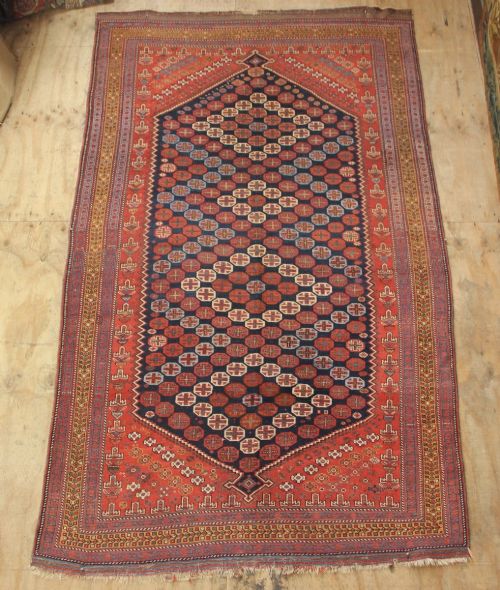
South Persian Weaving
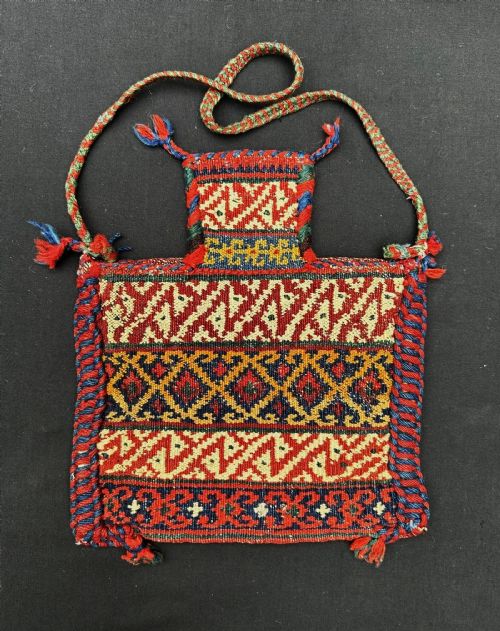
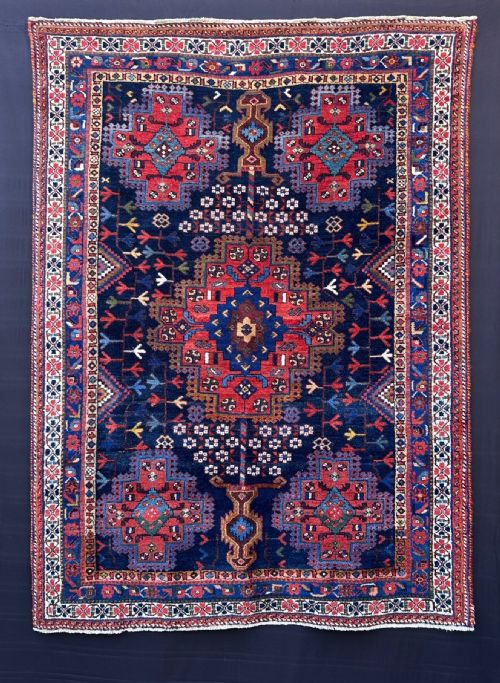
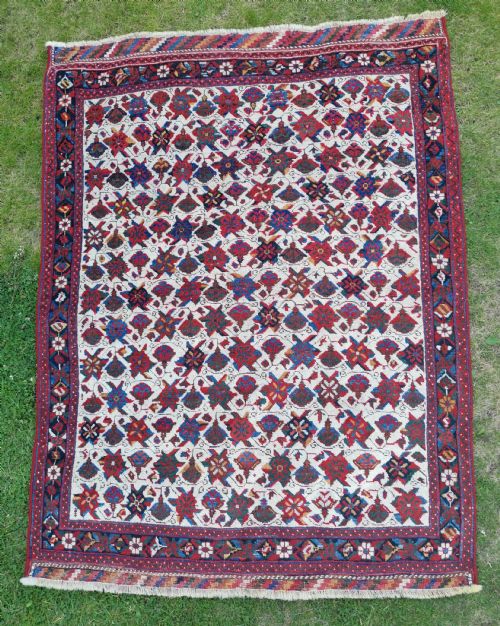
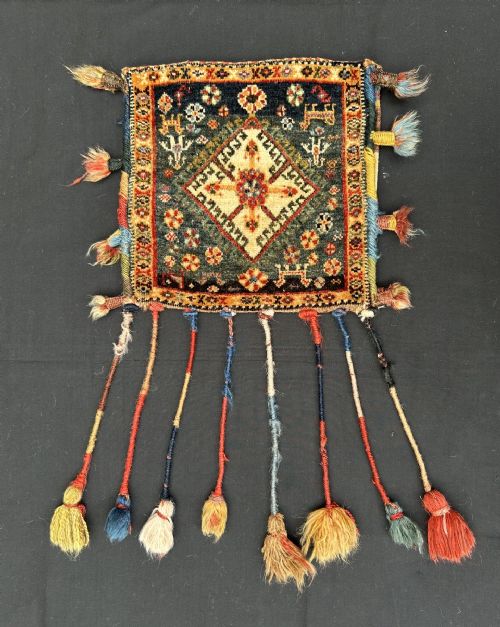
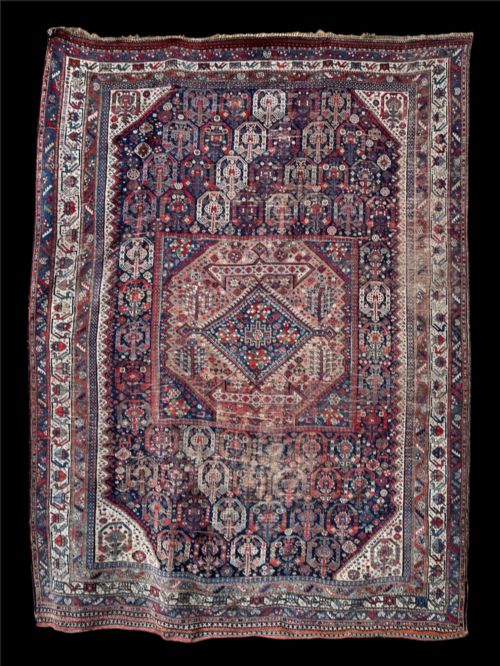
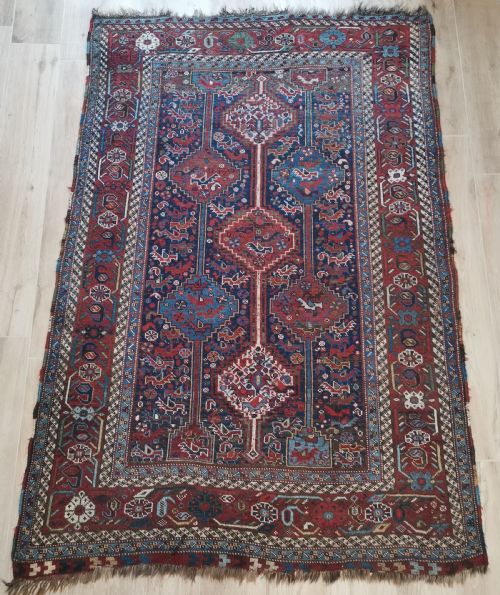
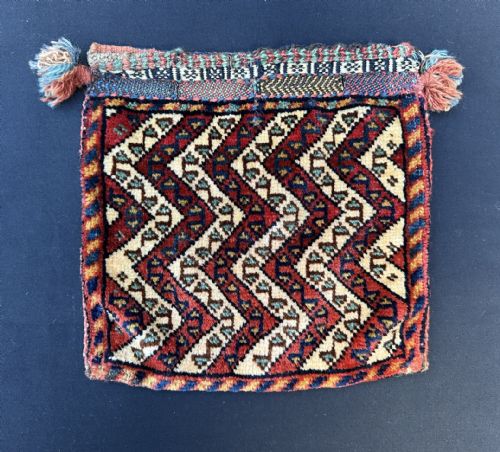
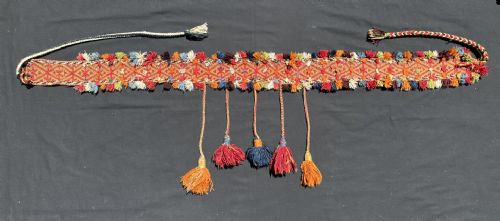
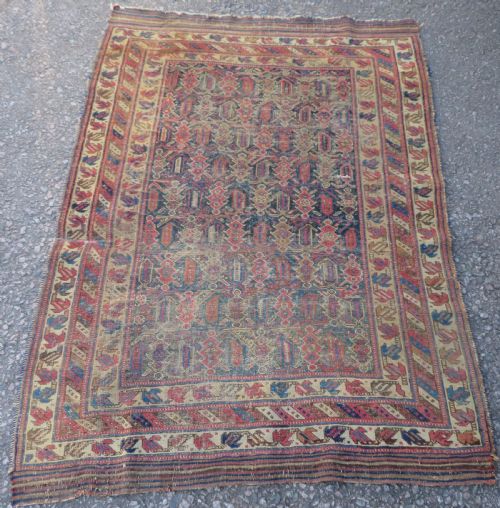
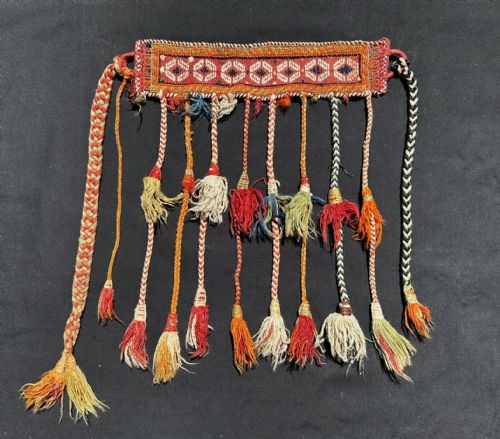
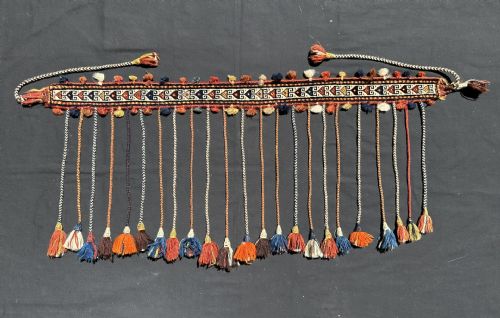
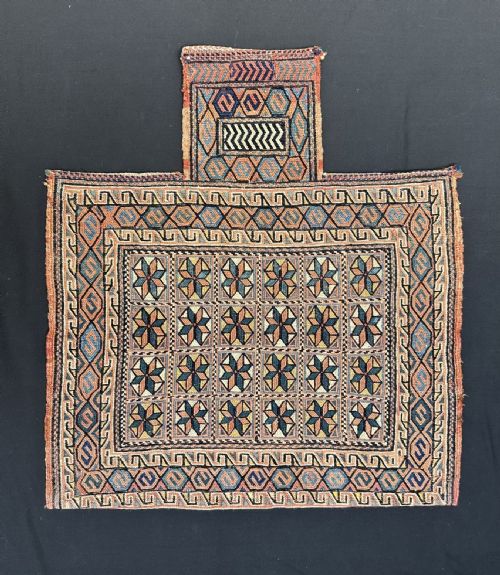
These pieces of south persian weaving range from utilitarian storage bags to large carpets carrying the distinct tribal patterns of nomadic makers.
South Persian Weaving
South persian weaving encompasses tribal textiles made by nomadic and village groups such as the Qashqai, Afshar, Khamseh, and Luri confederacies. These pieces include floor coverings like rugs and carpets alongside smaller functional items such as vanity bags, salt bags, animal trappings, and bread sofreh.
The objects stem predominantly from the late nineteenth century and the early decades of the twentieth century. They reflect the utilitarian needs of tribal life, translated through traditional design motifs handed down across generations.
How They Were Made
Makers relied primarily on hand-spun wool for the pile and structure, combined with cotton foundations in certain formats. Natural dyes provided the palette, yielding rich tones that settled and matured over decades of use.
Many items incorporate supplementary techniques such as flatweaving or kilim construction, embellished occasionally with cowrie shells and leather details. Hand-knotting dominated the production of heavier rugs and animal trappings.
Current listings span from the eighteen-seventies through to the nineteen-thirties, using wool, cotton, leather, and cowrie shells.
What Varies in Quality
The fineness of the knotting and the density of the weave set individual examples apart, distinguishing simple utility items from ambitious workshop or confederacy commissions. Precision in the execution of geometric or medallion layouts dictates the visual success of a piece.
The purity and depth of the natural dyes influence how the colours interact as the textile ages. Intact structural edges, original bag backs, and minimal intervention preserve the integrity of these historical items.
The South Persian Weaving Glossary
- Sofreh
- A flatwoven spread or cloth used primarily for dining or handling bread within nomadic households. These textiles display bold geometric fields.
- Chanteh
- A small personal vanity bag or container woven by tribal makers for carrying small possessions. They often feature intricate miniature tribal designs.
- Moj
- A lightweight blanket or coverlet produced by tribal weavers, characterised by supplementary weft-patterned bands.
- Bag face
- The decorative front panel of a larger saddlebag or storage pouch, retained as an independent textile after the plain back deteriorated.
South Persian Weaving: Frequently Asked Questions
What is a south persian weaving?
These items are handmade textiles produced by nomadic and tribal groups living in the Fars and Kerman provinces of Persia. They encompass both large floor carpets and small utilitarian containers.
The makers utilised local wool and natural dyes to create durable objects that served daily practical functions while expressing distinct tribal identities.
How were these bags used?
Tribal groups utilised small bags and trappings to store salt, tobacco, pipes, and personal belongings during seasonal migrations. Animal decorations and horse trappings adorned working livestock.
Everyday items like bread sofreh functioned as mats for food preparation and communal eating within nomadic tents.
How do I care for a tribal rug?
Protect antique textiles by avoiding direct, harsh sunlight and placing a breathable underlay beneath floor rugs to prevent slipping and wear. Gentle vacuuming without a rotating brush maintains the wool pile.
Rotate carpets periodically to ensure even exposure and wear patterns across the surface.
How do I identify a Qashqai piece?
Qashqai weavings often feature repeated geometric motifs, animal figures, and central medallions set against saturated red or blue fields. These elements derive from the visual traditions of the Fars province.
Fine, tight knotting and characteristic wool qualities help separate these works from neighbouring tribal groups.