


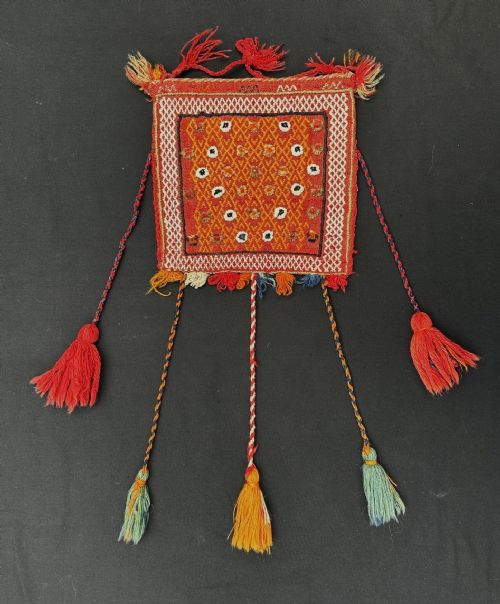


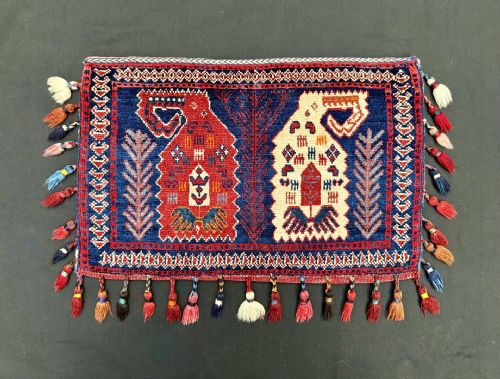
Tribal Vanity Bag
A tribal vanity bag is a nomadic textile pouch for small possessions, offering tactile wool work and natural dyes that anchor historic Persian craft in a room.
Tribal Vanity Bag
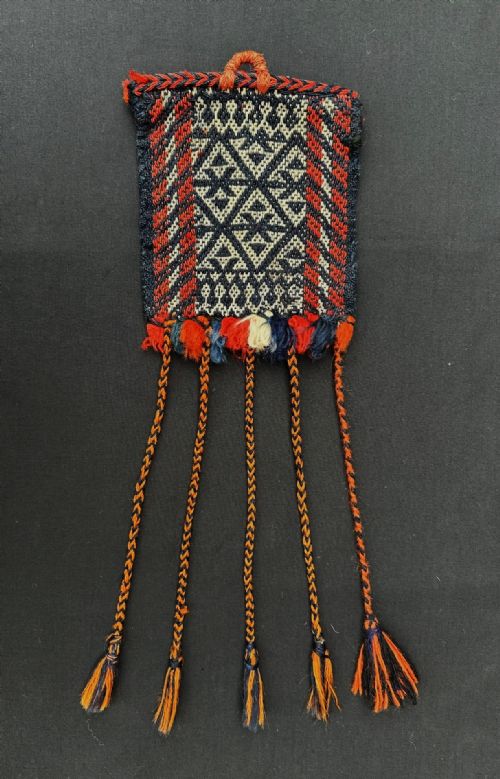
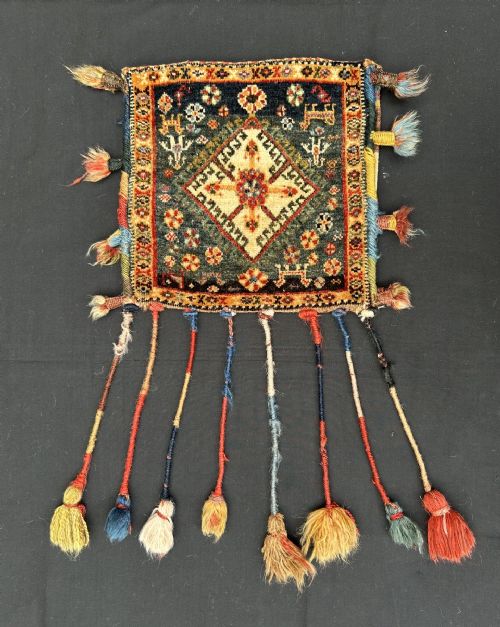
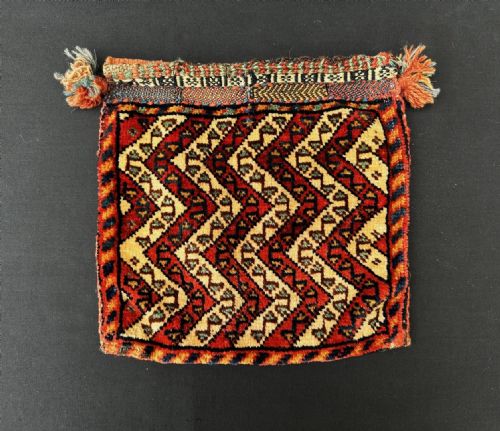
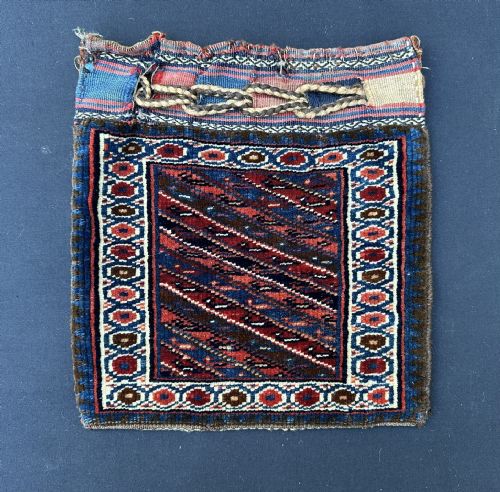
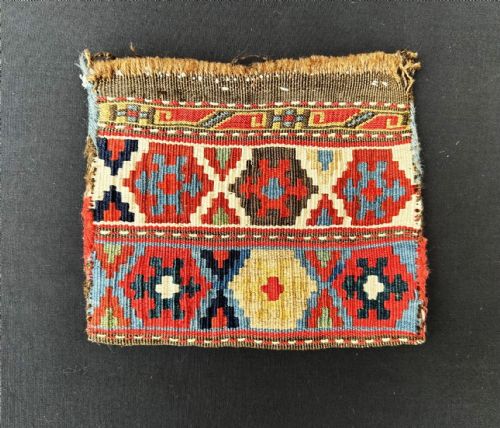
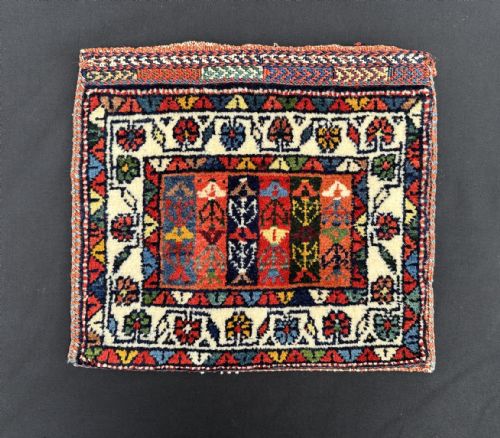
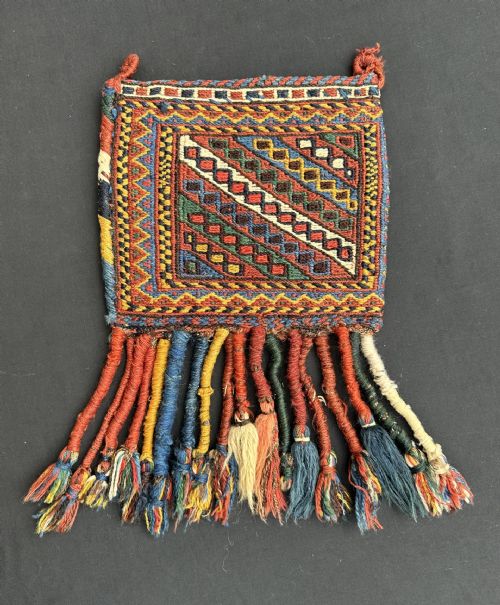
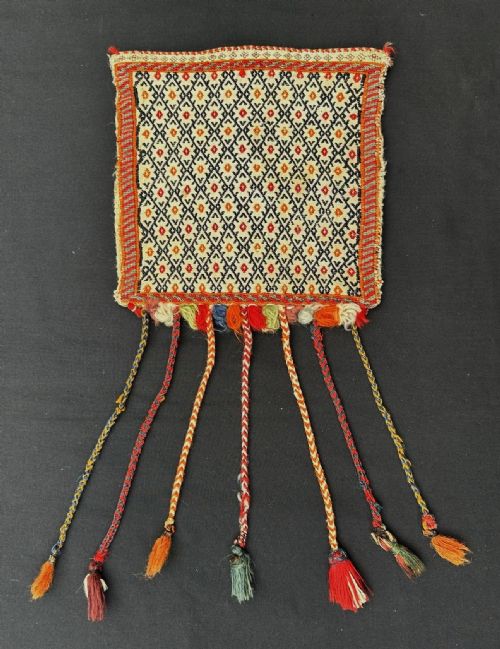
A tribal vanity bag is a small nomadic textile pouch, typically formed as a storage pouch or double-sided bag linked to specific regional confederacies. Buyers searching this phrase encounter authentic nineteenth- and early twentieth-century examples originating from Persian nomadic groups such as the Qashqa'i, Afshar, Shahsevan, and Baluch tribes.
How they were made
Makers utilised hand-spun wool combined with cotton foundations, dyed using natural dyes derived from local plants and minerals. The resulting textiles exhibit tactile surfaces built up through careful hand-weaving traditions passed down within specific nomadic groups.
Many pieces incorporate cowrie shells into their surface design, adding textural relief to the woven wool structure. These materials and techniques reflect the resourcefulness and skill of weavers working within specific tribal territories.
Cowrie shells tucked into a wool pouch remind us that nomad weavers liked a bit of seaside sparkle in their tents.
What varies in quality
Quality rests in the clarity of the natural dyes and the tightness of the hand-spun wool weave. Pieces that display vibrant, harmoniously aged colour and dense knotting or pile structure sit at the upper end of the range.
The precision of regional motifs and the intact survival of applied elements like cowrie shells also distinguish finer examples. The handling of the wool foundation directly affects the durability and visual depth of the textile.
The Tribal Vanity Bag Glossary
- Confederacy
- A political and social grouping of several nomadic tribes. In Persian weaving, major confederacies like the Qashqa'i encompass multiple sub-tribes with distinct design traditions.
- Natural dye
- Colour derived from plant, insect, or mineral sources rather than synthetic chemicals. These dyes produce complex, muted tones that age with distinct character.
- Cowrie shell
- Small marine mollusc shells utilised as decorative adornment on nomadic textiles. They frequently appear stitched onto tribal bags for protective or ornamental purposes.
- Hand-spun wool
- Fleece processed and spun into yarn by hand rather than factory machinery. This traditional method yields yarn with variable thickness and natural lanolin content.
- Nomadic
- Pertaining to groups that move seasonally with their livestock rather than settling in permanent towns. This lifestyle influenced the portable, textile-based art forms they produced.
Tribal Vanity Bag: Frequently Asked Questions
What is a tribal vanity bag?
A tribal vanity bag is a small, portable textile pouch woven by nomadic groups in Persia during the nineteenth and early twentieth centuries.
These pieces were utilised for storing personal items and small possessions during seasonal migrations.
Where do these bags originate?
They originate from specific nomadic confederacies and tribes across Persia, including the Qashqa'i in Fars, Afshar groups in Kerman, Shahsevan nomads in Azerbaijan, and Baluch tribes.
Each region developed distinct weaving styles, wool preparations, and natural dye palettes.
How were tribal vanity bags used?
Nomadic weavers created these bags for practical storage within tents or during travel across regional landscapes.
They functioned as everyday utilitarian pouches that also displayed the artistic heritage and tribal identity of the maker.
How do I identify the age of a bag?
Age is assessed through the examination of materials, particularly the presence of hand-spun wool and early natural dye formulations.
Stylistic markers and structural traits associated with nineteenth- and early twentieth-century tribal weaving further indicate the period of creation.