





Afshar Tribal Textile
An afshar tribal textile brings the geometric artistry and nomadic heritage of South Persian weavers directly into your home.
Afshar Tribal Textile
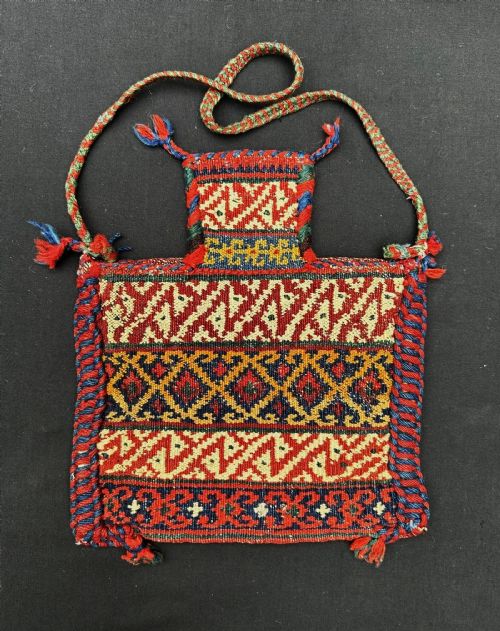
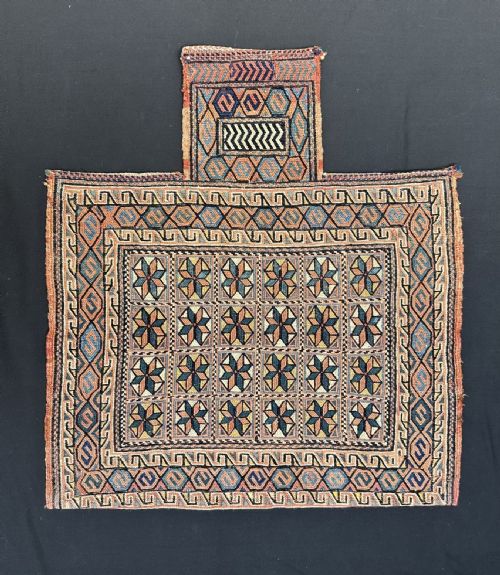
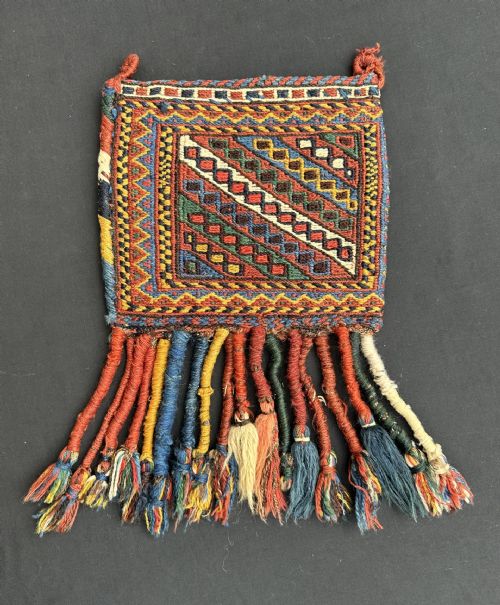
When you search for an afshar tribal textile, you encounter portable weavings created by nomadic and village groups originating primarily from the Kerman province in South Persia. These pieces date from the mid-nineteenth century through the early decades of the twentieth century, capturing a vibrant period of traditional weaving. Most examples you meet on this page take the form of small utility items rather than large floor coverings.
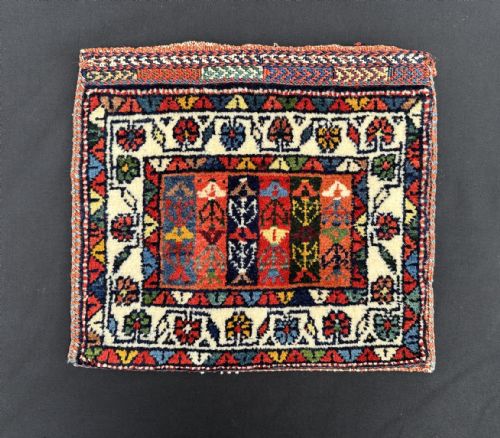
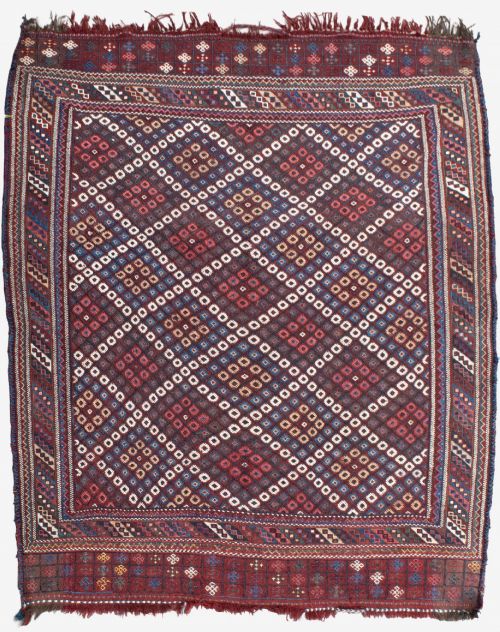
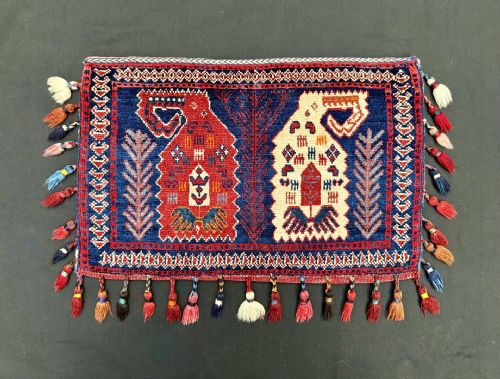
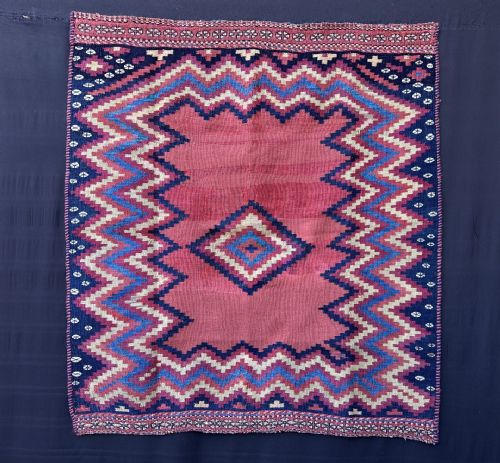
The practical objects created by these weavers include vanity bags, salt bags, tobacco pouches, and larger flatwoven bread sofreh cloths. Saddle bag faces and chanteh personal bags also appear frequently amongst the pieces. Each textile served a distinct domestic or nomadic purpose within the daily lives of the Kerman region tribes.
Geographic origins within the province often narrow down to specific districts and subtribes such as Bardsir, Aqta, and the Jebal Barez mountains. These localized traditions shape the specific layouts and design vocabulary found across the available weavings. Buyers encounter utilitarian objects transformed by skilled hands into striking visual statements.
Materials and Construction
These textiles rely primarily on hand-spun wool for the pile and structural elements, paired frequently with cotton foundations. The wool often displays a lustrous, luminous quality derived from traditional animal husbandry and careful preparation. Artisans also integrated natural dyes to achieve deep, lasting coloration across the geometric motifs.
Techniques range from standard pile weaving to flatwoven soumak work and plain weave structures. Some specialised storage pieces incorporate decorative cowrie shells alongside the woven wool. Every construction method served to ensure durability for nomadic transport and daily domestic use.
Listings feature pieces utilising hand-spun wool, cotton foundations, natural dyes, and cowrie shells across Persian tribal styles.
Distinguishing Quality
The grade of wool heavily influences the overall character of a weaving, with particularly lustrous and finely spun fibres setting superior examples apart. Mastery of natural dye baths creates depth and chromatic richness that flat chemical dyes cannot replicate. Tightness of knotting and precision in flatwoven structures further define the execution of the piece.
Completeness contributes significantly to the integrity of an object, such as retaining original plain weave backs on saddle bags or remaining intact without heavy modern repairs. The clarity of geometric design and the sharpness of boteh motifs reflect the weaver's control over the medium. Finer execution in smaller formats, such as chantehs, indicates the work of an accomplished artisan.
The Afshar Tribal Textile Glossary
- Sofreh
- A flatwoven cloth used primarily for dining, kneading bread, or wrapping food items. These textiles typically feature expansive geometric fields.
- Chanteh
- A small personal bag or vanity pouch woven by nomadic makers for carrying small possessions. They often showcase highly concentrated design work.
- Soumak
- A flatweaving technique that wraps supplementary weft threads over the warp to create a textured, durable surface. This method produces crisp geometric outlines.
- Boteh
- A recurring paisley or almond-shaped motif symbolizing life and eternity. It appears prominently across various Persian tribal weavings.
- Pile
- The cut-loop surface of a rug or bag face formed by knotted wool yarn. It provides texture and warmth to the textile.
Afshar Tribal Textile: Frequently Asked Questions
What is a sofreh used for?
A sofreh functioned as a flat cloth spread on the ground for eating meals or preparing bread dough within nomadic households.
These textiles caught spilled flour or food, keeping the living space clean during daily domestic routines.
How do I care for an antique bag face?
Protect the wool textile from direct sunlight to prevent natural dye fading and vacuum gently through a mesh screen.
Keep the piece in a dry environment away from excessive humidity to preserve the organic fibres.
What materials make up these bags?
Weavers utilised hand-spun wool and cotton foundation threads, colouring the yarns with traditional natural dyes.
Some functional utility items also incorporated decorative elements like cowrie shells.