



Red Wool Flatweave Rug
These pieces known as a red wool flatweave rug are durable woven floor coverings prized for their rich tribal geometry and tactile texture.
Red Wool Flatweave Rug
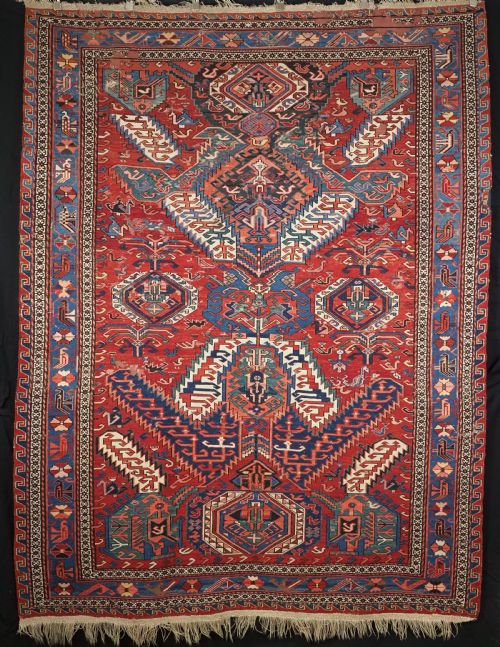
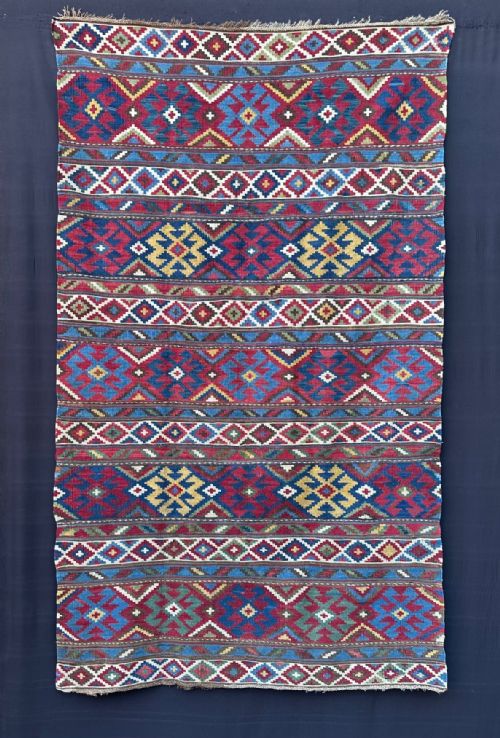
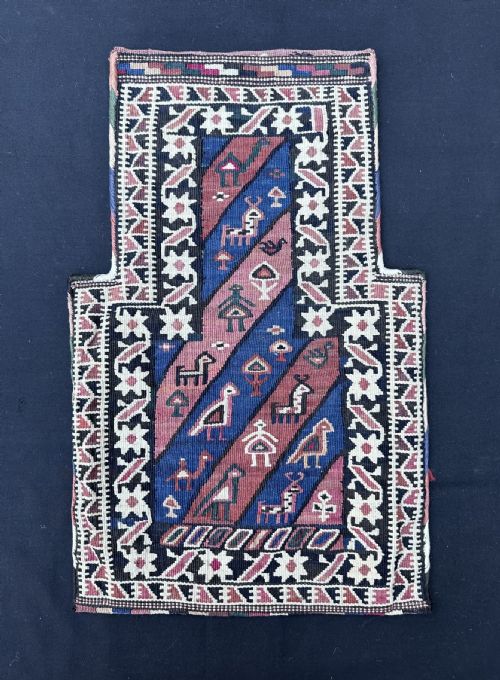
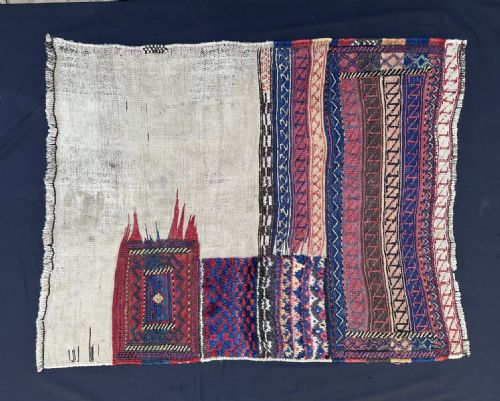
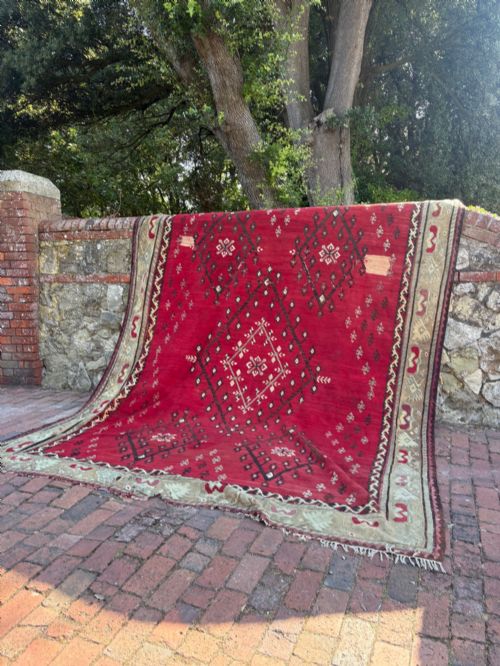
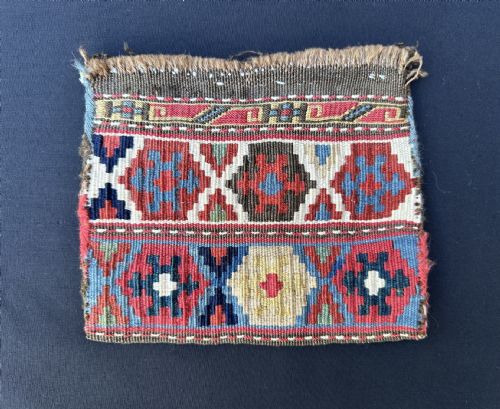
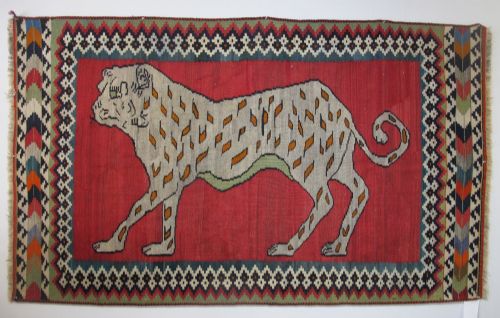
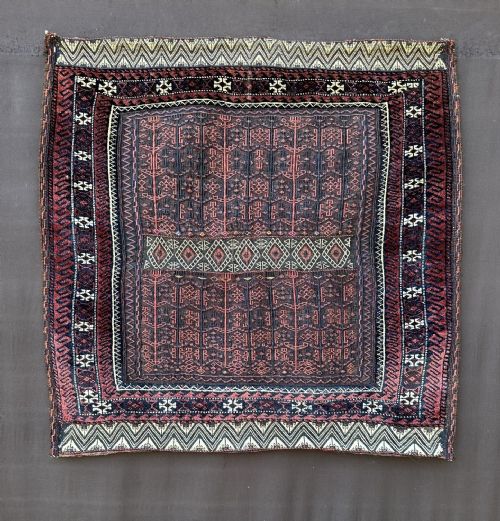
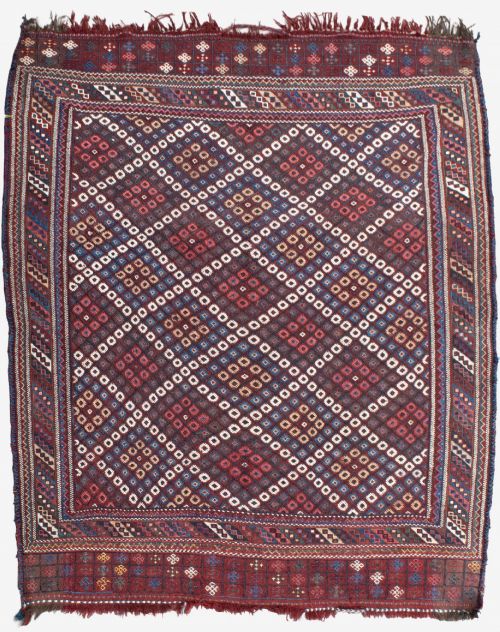
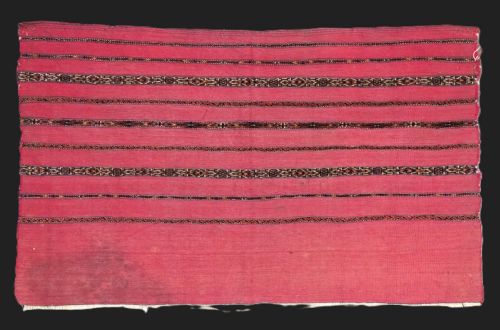
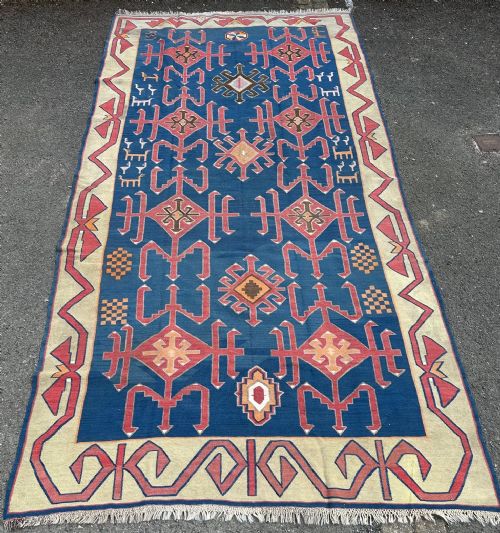
A red wool flatweave rug encompasses a wide variety of nomadic and tribal textiles originating from Persia, the Caucasus, Anatolia, and Central Asia. When you search for a red wool flatweave rug, you encounter traditional forms such as kilims, sofreh, bags, and panels woven by regional groups including the Qashqai, Shahsevan, Yomut, and Afshar. These flat-faced textiles served practical household functions for nomadic communities before entering the marketplace as decorative floor coverings and wall hangings.
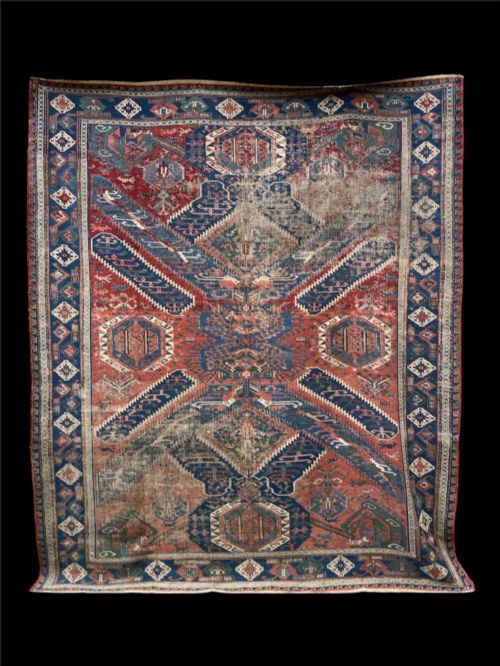
The objects listed span from the mid-nineteenth century through the early twentieth century, showing distinct regional patterns and structural designs. Examples include large Anatolian runner rugs, Caucasian dragon sumaks, and small Persian eating cloths or bread sofreh. Each piece reflects the specific weaving traditions of its makers, utilising characteristic geometric motifs and field arrangements passed down through generations.
What Varies in Quality
Structural tightness and the precision of the weave distinguish finer examples from simpler utility pieces. Dense interlacings of wool and well-executed slit-tapestry junctions demonstrate advanced weaving skill and ensure greater longevity underfoot.
The clarity of the natural dyes and the complexity of the tribal iconography also determine the standing of a textile. Master weavers achieved harmonious colour saturation and balanced geometric proportions that elevate the visual depth of the design.
Materials recorded in these listings consist exclusively of wool, cotton, natural dyes, and hand-spun wool.
The Red Wool Flatweave Rug Glossary
- Kilim
- A flat-woven carpet or rug produced by tightly interweaving the warp and weft strands to create a smooth surface without pile. This technique produces reversible textiles with sharp geometric patterns.
- Sofreh
- A woven spread or cloth traditionally used for eating, kneading bread, or serving meals within nomadic households. These textiles often feature minimalist central fields surrounded by striking border bands.
- Chuval
- A large storage bag made by Turkmen tribes for domestic use inside a yurt or tent. They typically display repeated guls and are prized for their fine weave.
- Warp
- The vertical threads stretched lengthwise on a loom before the weaving process begins. The weft threads pass horizontally over and under these foundational strands.
- Sumak
- A wrapping technique where weft threads wrap around the warp threads to create a textured, durable surface with a braided appearance on the face.
Red Wool Flatweave Rug: Frequently Asked Questions
What is a flatweave rug?
A flatweave rug is a textile woven without a raised pile, relying on the interlacing of warp and weft threads to form the design. These pieces are typically lighter than piled carpets and lie flat on the floor.
They derive their structure from tapestry weaving methods, making them versatile for various interior spaces and easy to lift and maintain.
Where were these rugs made?
These textiles originate from nomadic and village workshops across Persia, the Caucasus, Anatolia, and Central Asia. Specific groups such as the Qashqai, Shahsevan, and Yomut Turkmen produced distinct regional styles.
Each geographic area developed unique colour palettes, wool qualities, and geometric motifs reflecting local tribal heritage and environment.
How do I care for wool flatweaves?
Regular gentle vacuuming without a rotating brush roll helps remove embedded dust and prevents fibre wear. Professional cleaning by specialists in antique textiles is recommended for deep washing.
Keeping the rugs out of direct, harsh sunlight preserves the natural dyes and prevents the wool fibres from becoming brittle over time.
How are tribal rugs dated?
Dating relies on analyzing the types of wool, the chemical composition of natural dyes, structural construction, and regional design evolution. Structural characteristics often provide clues to the era of production.
Comparisons with documented museum pieces and historical nomadic artefacts help experts narrow down the decades in which these textiles were woven.