

Vintage Central Asian Carpet
When you search for a vintage central asian carpet, you enter a world of tribal weaving traditions spanning from the nineteenth century into the twentieth.
Vintage Central Asian Carpet
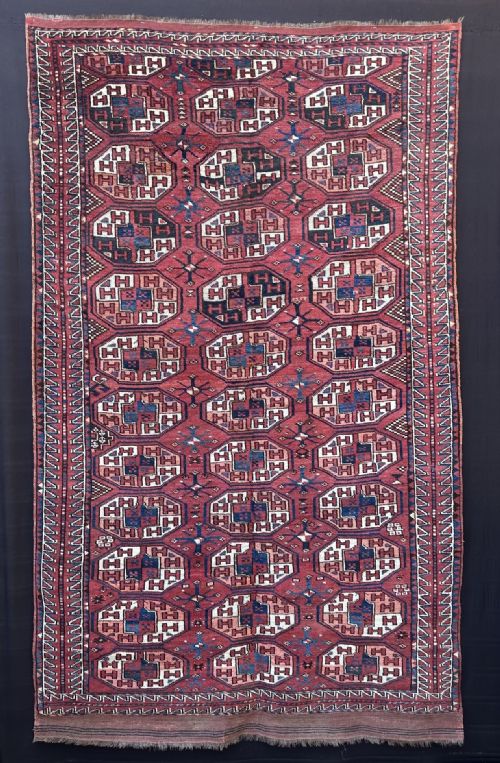
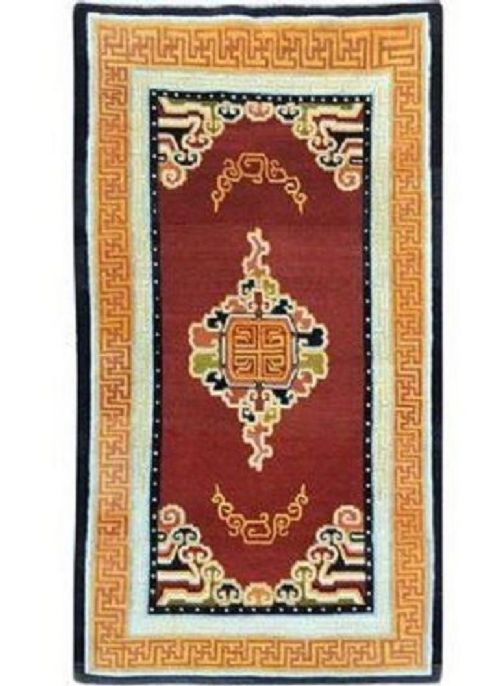
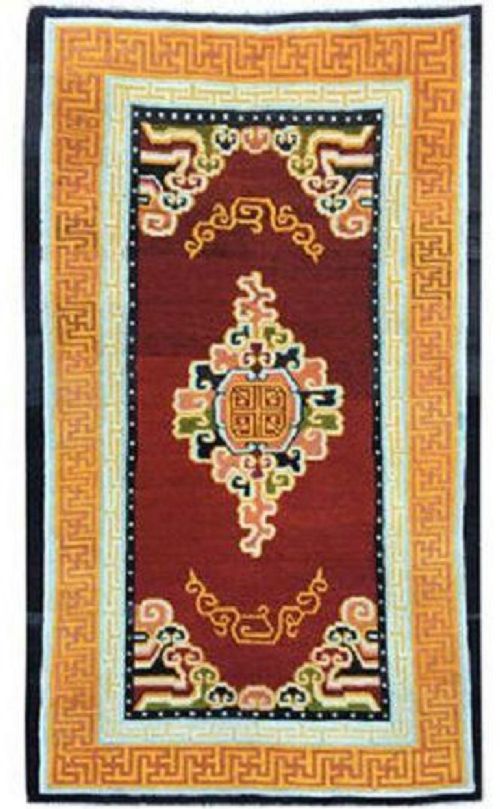
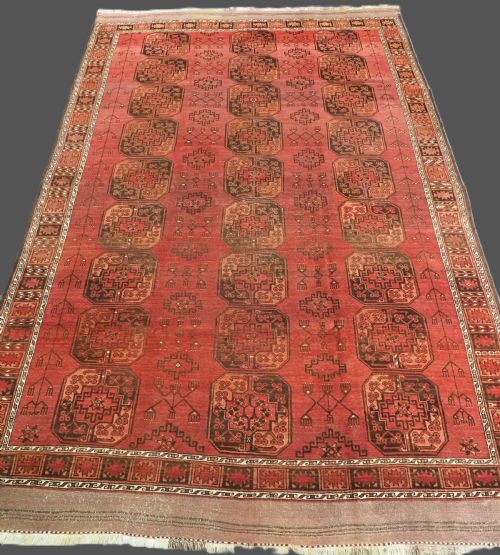
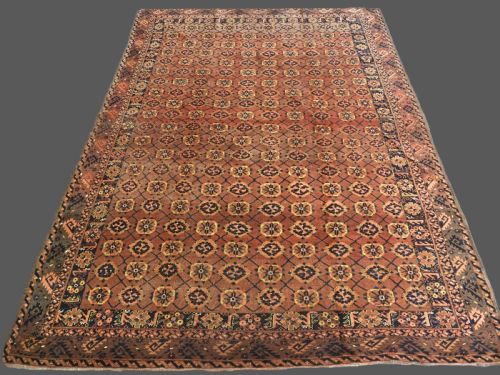
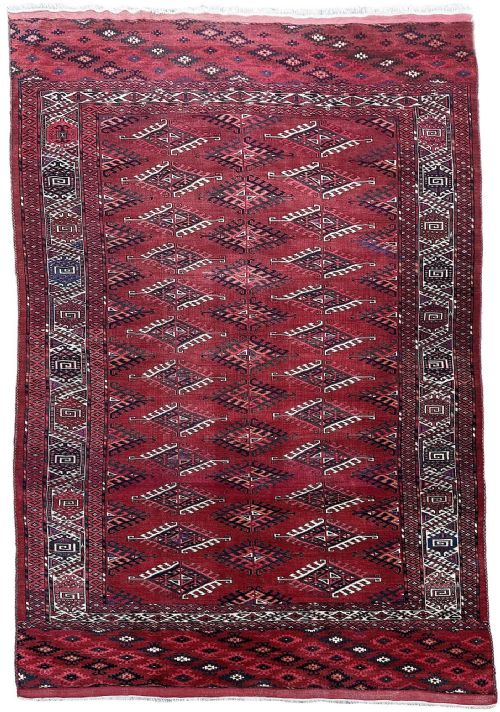
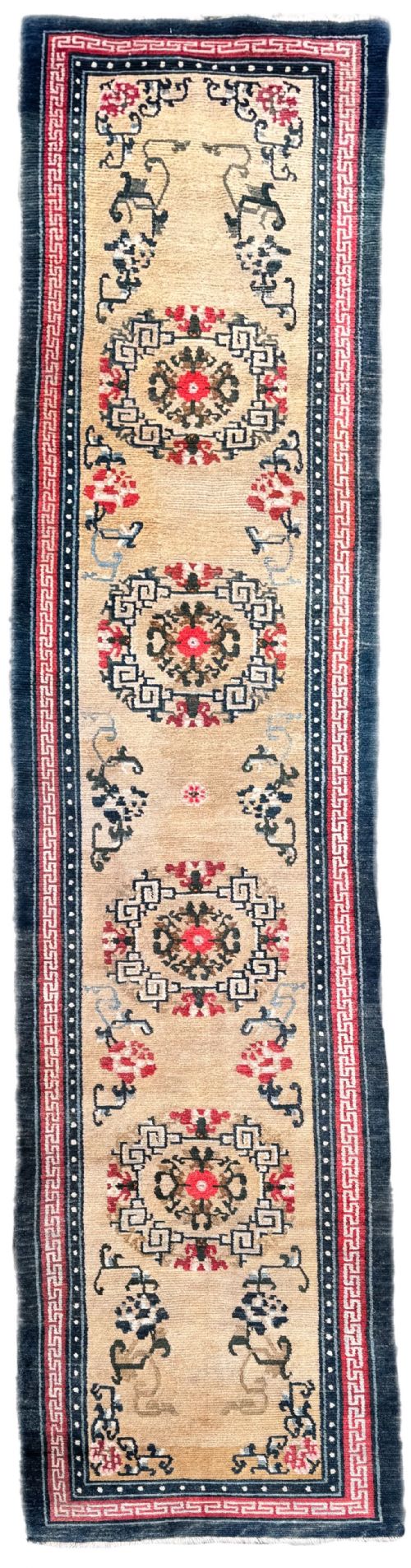
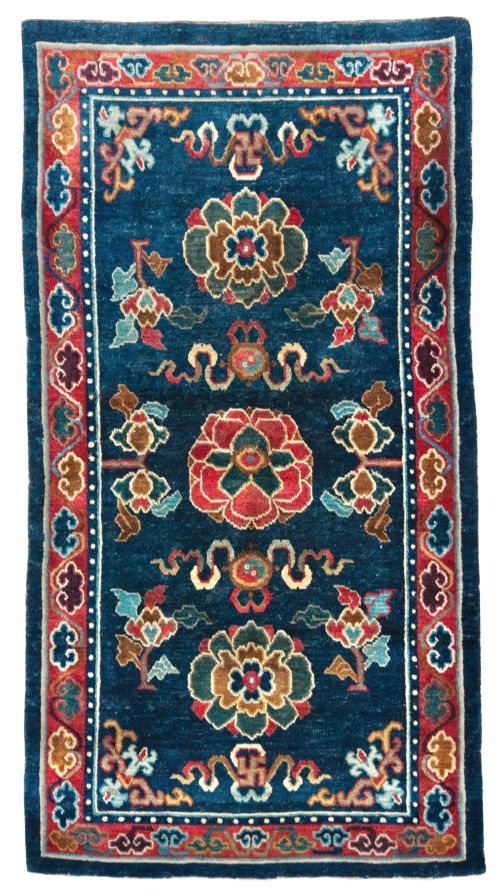
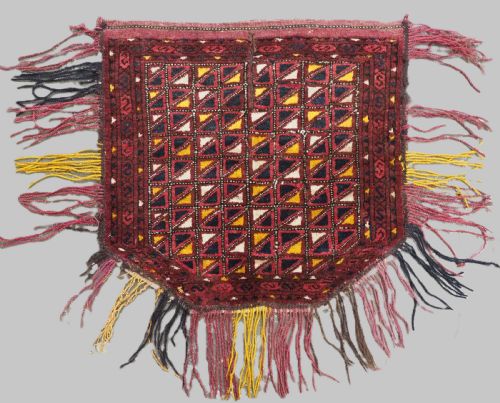
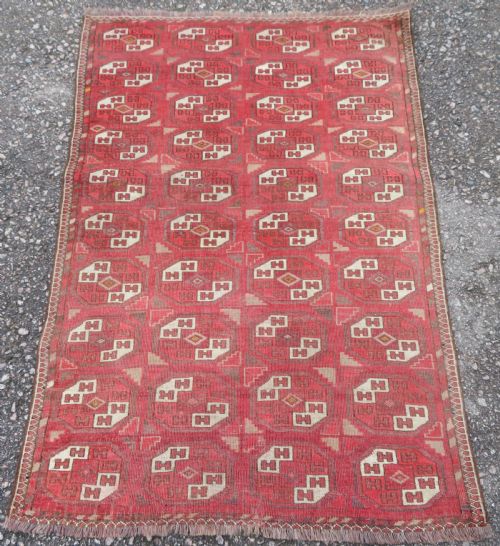
A vintage central asian carpet encompasses tribal weavings created across regions historically associated with nomadic and settled groups, including Turkmen tribes, Uzbek communities, and Tibetan makers. The pieces encountered on this page range from large main carpets and village formats to smaller utility items such as torbas, chuvals, and saddle covers.
The aesthetic is defined by distinct tribal motifs, geometric repeats, and traditional formats like prayer rugs or tent door hangings. Examples span from nineteenth-century origins to works produced in the early decades of the twentieth century, reflecting the heritage of specific regional groups.
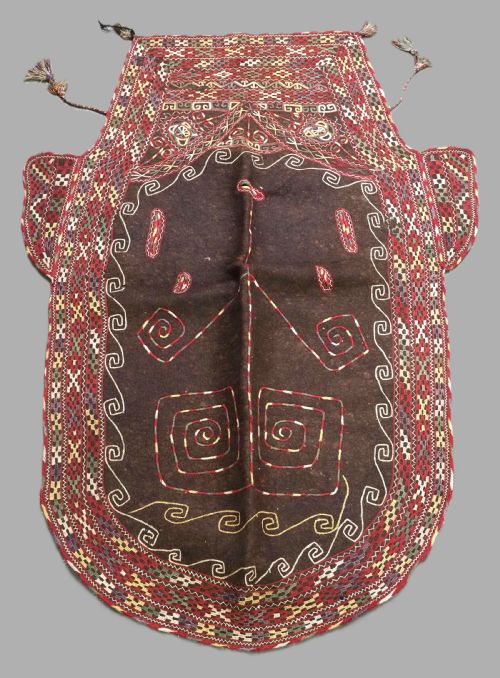
Buyers frequently encounter specialised forms like camel bags, dowry rugs, and felt horse blankets alongside standard floor coverings. Each category represents the domestic and ceremonial output of weavers working within established cultural lineages.
How they were made
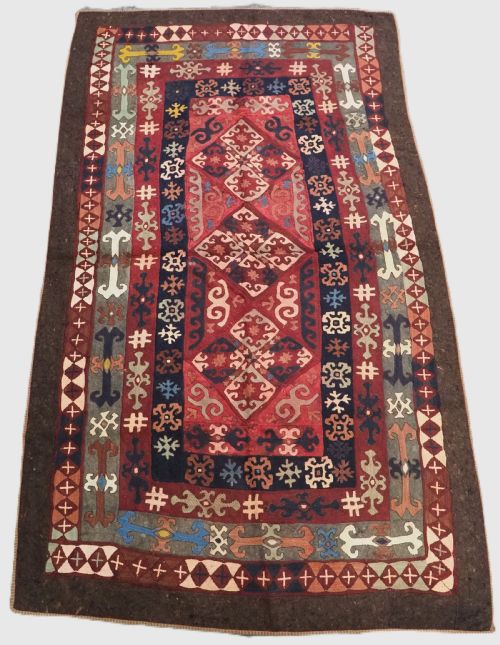
The materials recorded in these pieces rely predominantly on hand-spun wool and cotton, often enhanced with natural dyes and occasional silk highlights or silk thread. Artisans also utilised felted wool for specialised ceremonial blankets and embroidered textiles.
Construction techniques involve traditional knotted pile weaving, flat-woven kilim structures, and intricate embroidery on felt or woven foundations. The integration of durable cotton thread for foundations provided structural stability to wool-pile surfaces.
Vintage Central Asian Carpet Retail Price Guide 2026
Typical asking prices for vintage central asian carpet among the pieces listed under this phrase on Sellingantiques today, from the lower quarter to the upper quarter. They describe what is for sale here now, not the wider market.
Listings span periods from the mid-nineteenth century through the 1930s, featuring wool, cotton, silk, and felted wool materials.
What varies in quality
Quality in these textiles rests upon the fineness of the weave, the clarity of the tribal design elements, and the integrity of the materials. Pieces featuring exceptionally dense knotting or precise execution of complex gul patterns demonstrate superior craftsmanship.
The survival of original elements such as tassels, plain-weave backs, and selvedges contributes significantly to the integrity of a piece. Variations also emerge in the richness of the natural dye palette and the sophistication of secondary design motifs.
The Vintage Central Asian Carpet Glossary
- Gul
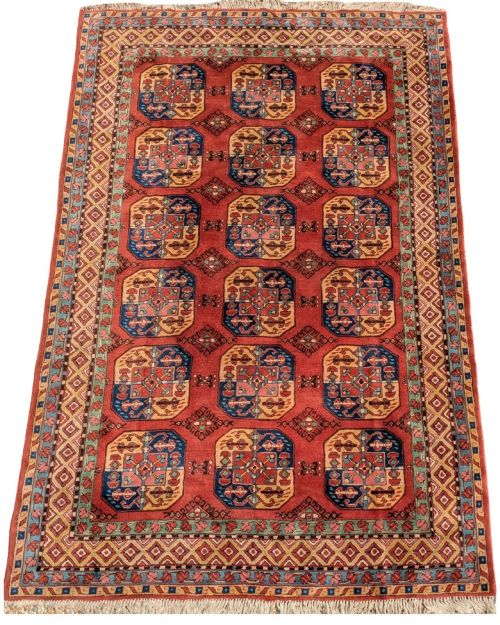
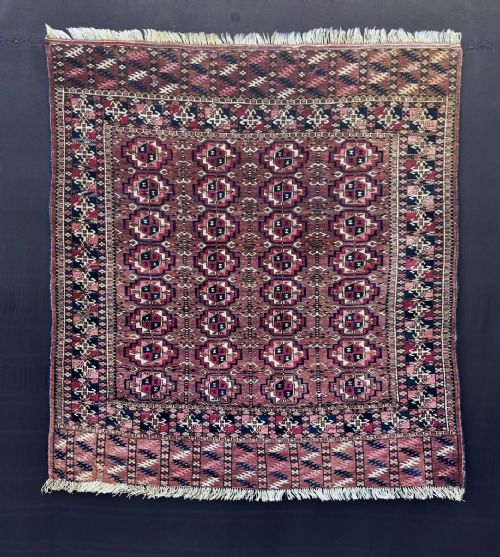
- A primary octagonal or medallion-like motif characteristic of Turkmen carpet design. Each tribal group utilised specific variations of this design.
- Torba
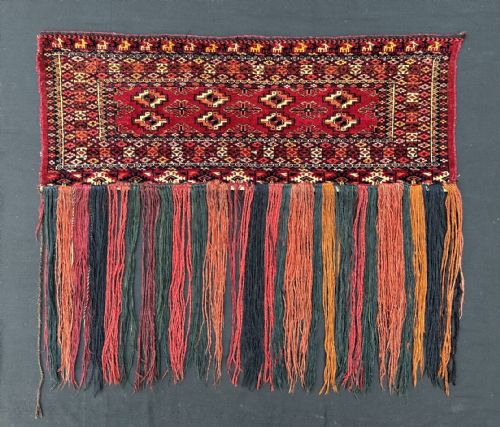
- A small wall-hanging bag or storage sack traditionally used in nomadic tents. These pieces display detailed face designs.
- Chuval
- A large storage bag face produced by Turkmen tribes for domestic utility. They often feature multiple guls in structured rows.
- Engsi
- A specialised rug used as a tent door hanging by Turkmen nomads. These feature a characteristic cross-panel division.
- Khaden
- A traditional Tibetan rug format often utilised for domestic seating or bedding purposes. They display unique regional iconography.
Vintage Central Asian Carpet: Frequently Asked Questions
What is a torba used for?
A torba served as a functional storage bag inside nomadic tents, typically hung against the lattice walls to hold household possessions.
Over time, these finely woven faces have become prized as decorative wall hangings or collector items due to their intricate tribal patterns.
How do I identify a Tekke rug?
Tekke rugs are generally identified by their precise execution of primary guls arranged in strict vertical and horizontal rows, often accompanied by a distinctive ivory ground in certain formats.
They originate from the Tekke Turkmen tribes of the Akhal and Merv oases, displaying a characteristically fine and even weave.
What materials were used in these carpets?
The primary materials recorded are hand-spun wool and cotton, complemented by natural dyes that yield rich, stable colour palettes.
Some pieces incorporate silk highlights or silk thread, while others utilise felted wool for specialised ceremonial blankets and embroidered covers.
How should I care for a vintage wool rug?
Regular gentle vacuuming without a rotating brush helps maintain wool pile by removing trapped dust and grit without stressing the foundation fibres.
Professional specialist cleaning is recommended for antique and vintage textiles to preserve the natural dyes and delicate wool structures.