


Handwoven Wool Sofreh
These handwoven wool sofreh are tribal eating cloths and flatweave kilims from Persia and the borderlands, offering authentic nomadic textile history for your home.
Handwoven Wool Sofreh
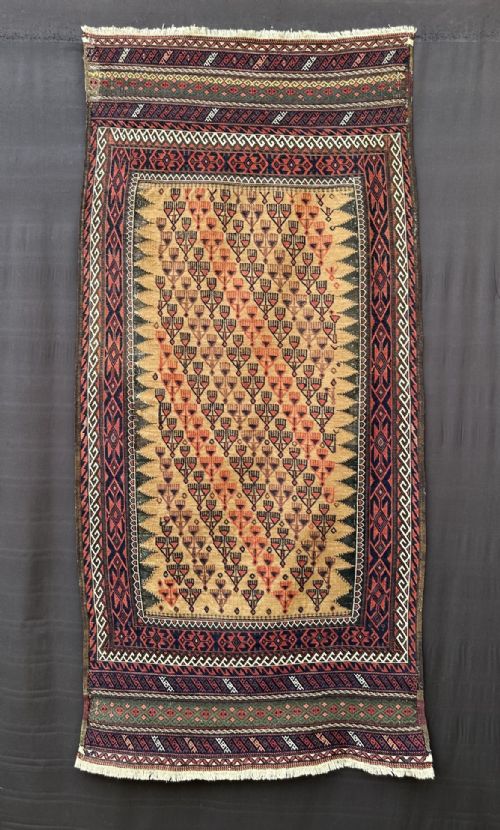
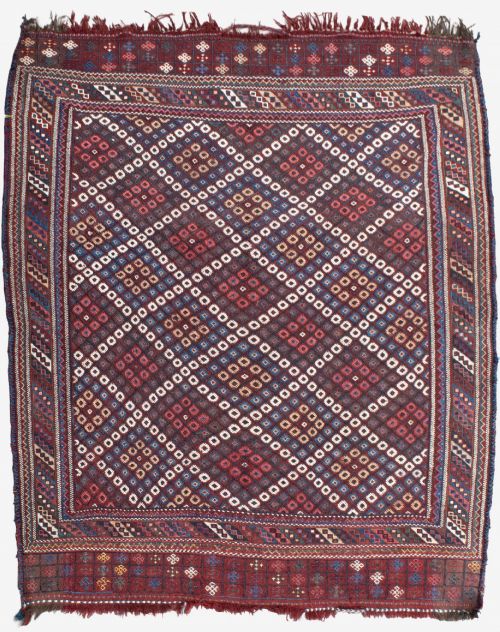
A handwoven wool sofreh is a traditional tribal textile created for serving meals or preparing bread within nomadic households across Persia and its borderlands. These flatweave kilims and rugs served central domestic purposes in daily tribal life, functioning as communal dining cloths.
On this page, you are most likely to meet examples originating from specific groups such as the Afshar nomads of Kerman, the Timuri and Djhan Beghi tribes of the north-east borderlands, and Luristan weavers in the west. These pieces span the late nineteenth century through to the early decades of the twentieth century, showcasing regional flatweave traditions.
The forms encompass dining sofreh and bread sofreh variations, often rendered in square or rectangular formats. Their utilitarian origins give them a distinct character that appeals to collectors of tribal rugs and textiles seeking genuine village weavings.
How they were made
These textiles rely primarily on wool, occasionally paired with cotton elements or camel hair for structural integrity and textural contrast. Weavers utilised traditional flatweave techniques to construct durable, pileless cloths suited to domestic utility on earthen floors.
The construction reflects the regional methods of tribal groups working within Persia and Afghan borderlands, employing handspun materials and indigenous dyeing practices. Each flatweave rug demonstrates the practical craftsmanship required to produce a textile durable enough for daily culinary rituals.
Handwoven Wool Sofreh Retail Price Guide 2026
Typical asking prices for handwoven wool sofreh among the pieces listed under this phrase on Sellingantiques today, from the lower quarter to the upper quarter. They describe what is for sale here now, not the wider market.
0
What varies in quality
Quality in these flatweaves rests on the tightness of the weave and the precision of the tribal patterning executed across the surface. Finer examples display greater control over the flatweave structure and a more sophisticated arrangement of traditional motifs.
The character of the wool and the depth of the natural palette also distinguish superior pieces from simpler utilitarian textiles. Better examples maintain crisp geometric discipline within the border and field designs, reflecting the skill of the individual tribal weaver.
The Handwoven Wool Sofreh Glossary
- Sofreh
- A traditional Persian spread or cloth used for eating meals or kneading bread dough. These flatweave textiles are distinct tribal objects rooted in nomadic domestic life.
- Flatweave
- A textile constructed without pile by interweaving warp and weft threads directly. This technique produces a thin, durable rug or kilim.
- Kilim
- A tapestry-woven carpet or flatweave textile produced across Persia and the Near East. These pieces lack a raised pile surface.
- Nomadic
- Pertaining to pastoral tribes who moved seasonally across regions such as Kerman, Luristan, and the north-east Persian borderlands. Their textiles reflect portable, utilitarian craft traditions.
- Tribal
- Describing artefacts made by distinct regional groups or clans following traditional local designs rather than urban workshop standards.
Handwoven Wool Sofreh: Frequently Asked Questions
What is a sofreh used for?
A sofreh functioned primarily as a communal eating cloth or a surface for preparing bread within tribal households. Families gathered around these flatweaves for daily meals.
Over time, these utilitarian textiles became recognised as distinct expressions of tribal weaving, valued for their geometric patterns and cultural history.
How do I date a sofreh?
Dating relies on examining the materials, structural characteristics, and regional design traits consistent with nineteenth and early twentieth-century production. Comparing the wool quality and dye palette against documented tribal examples helps establish the period.
Pieces on this page originate predominantly from the late 1800s through the 1920s, reflecting traditional nomadic manufacture.
Where were these textiles made?
These flatweaves originate from various tribal regions across Persia and the borderlands with Afghanistan. Specific groups include the Afshar nomads, Timuri, Djhan Beghi, and Luristan tribes.
Each region imparted distinct stylistic preferences and weaving structures to their utilitarian cloths.
How should I display a sofreh at home?
These flatweave rugs suit placement on floors in low-traffic areas or mounting as textile art on a wall. Their thin, pileless structure makes them versatile for interior styling.
Ensure proper support if wall-hanging to distribute the weight evenly across the fabric.