


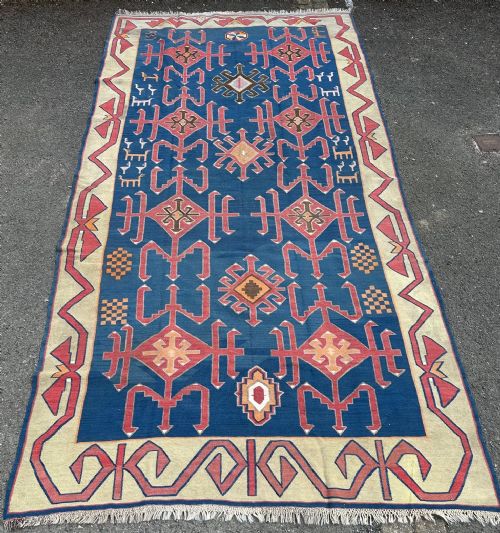


Flatweave Runner Rug
When you search for a flatweave runner rug, you enter a world of woven tribal textiles from Persia, the Caucasus, and Central Asia.
Flatweave Runner Rug
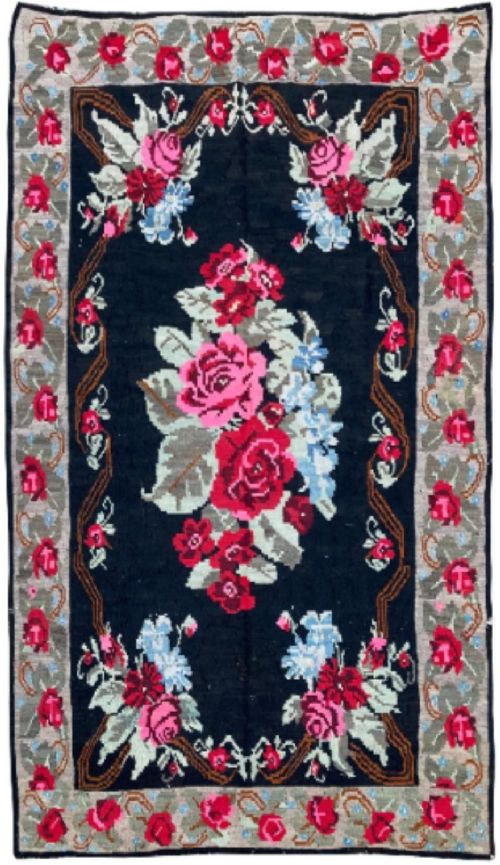
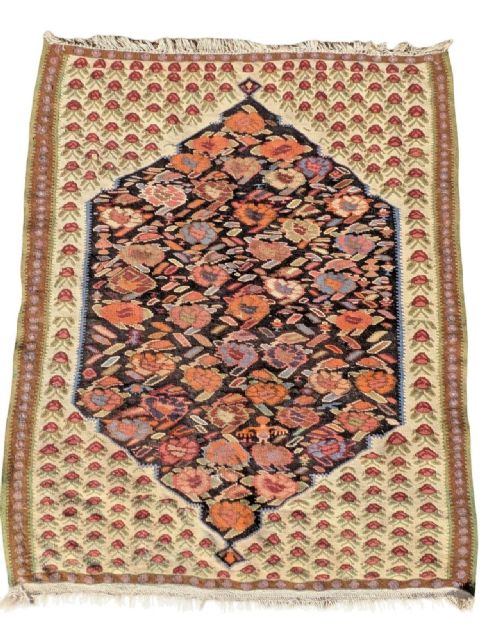
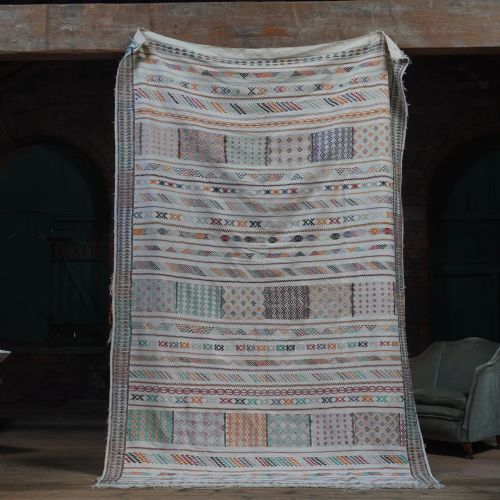
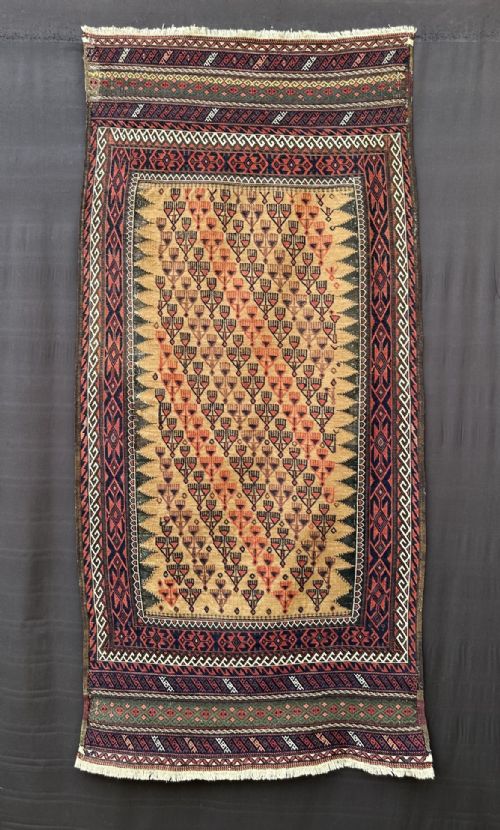
A flatweave runner rug is a long, narrow textile created without a pile, relying instead on the interlacing of warp and weft threads to form geometric patterns and flat surfaces.
The pieces appearing here span from the late nineteenth century into the mid-twentieth century, originating primarily from tribal and nomadic workshops across Turkey, Persia, the Caucasus, and Central Asia.
Buyers encounter long formats suited for corridors alongside narrower tribal bands, sofres, and kilim panels woven in single or multiple strips.
How They Were Made
Weavers constructed these textiles using hand-spun wool, cotton, and occasionally camel wool or sabra cactus silk, depending on the regional traditions of the maker.
Natural dyes provide the palette across these pieces, yielding soft or saturated tones through traditional dyeing methods.
The structure relies on flat-weaving techniques, tapestry weaves, and mixed structures, sometimes incorporating embroidered details or panels joined together in multiple strips.
Flatweave Runner Rug Retail Price Guide 2026
Typical asking prices for flatweave runner rug among the pieces listed under this phrase on Sellingantiques today, from the lower quarter to the upper quarter. They describe what is for sale here now, not the wider market.
Listings feature wool, cotton, and camel wool textiles alongside natural dyes applied across Caucasian, Persian, and Central Asian tribal traditions.
What Varies in Quality
Quality rests on the tightness of the weave and the precision of the geometric design, which reflect the weaver's control over tension and materials.
The integrity of the natural dyes and the consistency of the hand-spun wool separate finer tribal pieces from simpler utility items.
The Flatweave Runner Rug Glossary
- Kilim
- A flat-woven carpet or rug made without a pile. These textiles are produced by tightly interweaving the warp and weft strands.
- Sofre
- A spreading cloth used traditionally for meals or food preparation in tribal households. They often feature elongated formats and striking geometric layouts.
- Warp
- The stationary vertical threads stretched across a loom before weaving begins. The weft threads are passed through these structural foundations.
- Weft
- The horizontal threads passed back and forth through the warp to create the pattern and fabric. In flatweaves, these threads carry the visible colour and design.
Flatweave Runner Rug: Frequently Asked Questions
Where were these rugs made?
These textiles originate from nomadic and village traditions across Turkey, the Caucasus, Persia, and Central Asia. Weavers in regions such as Shirvan, Karabagh, and Anatolia produced them for domestic use or tribal ceremonies.
Each region developed distinct palettes and geometric motifs that identify the origin of the weaving.
How do I care for a flatweave?
Protect the textile by placing a suitable underlay beneath it to prevent slipping and reduce friction on hard floors. Regular gentle vacuuming without a rotating brush helps remove embedded dust.
Professional cleaning designed for antique wool textiles ensures the natural dyes and fibres remain protected over time.
What is the difference between a kilim and a runner?
A kilim describes the flat-weaving technique used to construct the textile without a pile. A runner refers specifically to the elongated, narrow format of the rug.
Many runner rugs utilise kilim construction, combining the flat structure with the long proportions required for hallways and corridors.
Are natural dyes used in these rugs?
Traditional pieces from the nineteenth and early twentieth centuries rely on natural dye sources to achieve their characteristic colour palettes. These dyes age gracefully, developing softer patinas over decades of light and use.
Subtle variations in tone across the surface often indicate the natural dyeing process.