




Antique Persian Sofreh
These antique persian sofreh cloths are woven tribal textiles used for dining and bread preparation, prized for their authentic nomadic character.
Antique Persian Sofreh
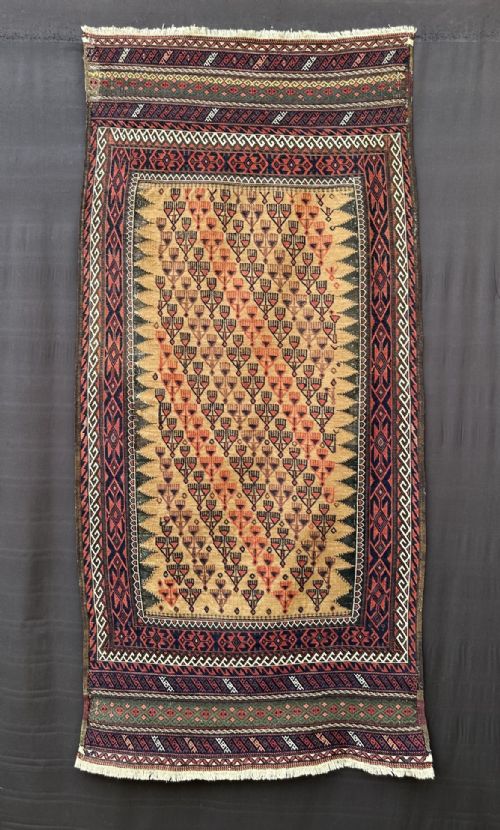
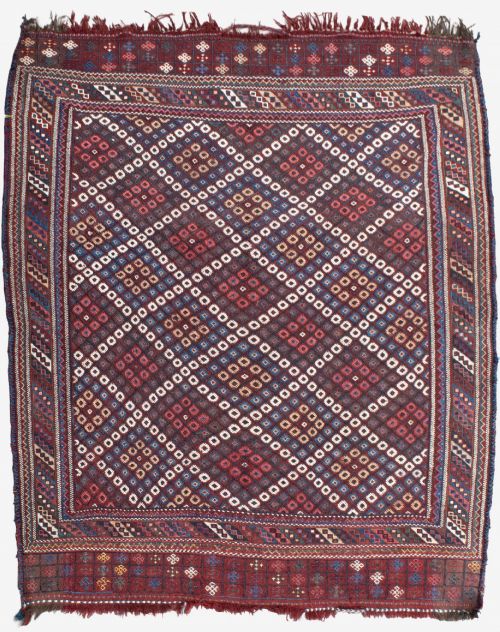
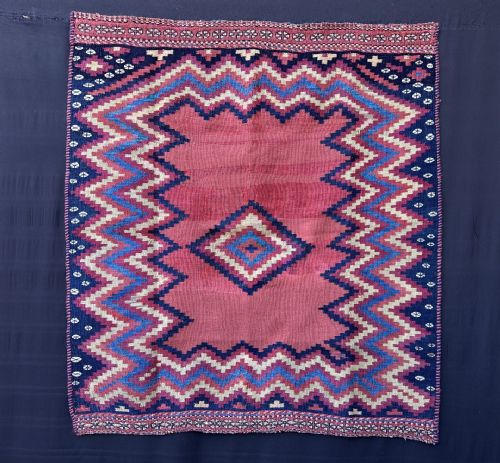
An antique persian sofreh is a traditional tribal textile woven for practical use during meals and bread making within nomadic communities. These flatweaves and kilim rugs served specific domestic purposes, functioning primarily as dining cloths or bread cloths for various tribes across Persia.
The pieces available originate from specific tribal groups such as the Afshar, Luri-Bakhtiari, Timuri, and Baluch. Examples range from the late nineteenth century into the early twentieth century, reflecting distinct regional weaving traditions.
Makers produced these flatweaves in square or rectangular formats to accommodate domestic rituals on the ground. Tribal weavers utilised traditional techniques to create durable textiles that survived decades of daily use.
Materials and construction
Weavers constructed these textiles primarily using wool, cotton, and camel hair. Natural dyes provide the distinct colour palette found across these tribal flatweaves.
Production relied on flatweave and kilim techniques rather than piled carpet construction. This method produced sturdy, lightweight cloths suited to nomadic life and food preparation.
These humble bread cloths doubled as dining tables, catching crumbs and memories alike across the Persian plateaus.
Factors that distinguish quality
Quality rests in the precision of the flatweave structure and the integrity of the natural dyes. Tighter weaving and well-preserved wool or camel hair elevate the execution of a piece.
Regional design complexity and the clarity of tribal motifs separate standard domestic examples from finer artistic achievements. The handling of borders and field geometry demonstrates the skill of the individual weaver.
The Antique Persian Sofreh Glossary
- Sofreh
- A spread or cloth used for eating meals or kneading bread dough in Persian nomadic culture. These textiles often lack the piled surface of conventional rugs.
- Kilim
- A flatweave textile produced by tightly interweaving warp and weft strands to create a smooth surface without pile. This technique defines the structure of most sofreh examples.
- Natural Dyes
- Colourants derived from plant and mineral sources rather than synthetic compounds. These dyes yield the varied hues seen across nineteenth and early twentieth-century Persian tribal weaving.
- Camel Hair
- Undyed fibre sourced from camels, utilised in tribal textiles for its durable nature and natural tonal variation. It frequently appears alongside standard sheep wool in borderlands weaving.
Antique Persian Sofreh: Frequently Asked Questions
What is a sofreh used for?
These textiles served practical domestic functions within nomadic households. Families laid them on the ground to serve meals or prepare bread dough.
Over time, these utilitarian cloths gained recognition as distinct examples of tribal weaving art. Today, collectors typically display them as wall hangings or flat textiles rather than using them for dining.
How do I identify tribal origins?
Attribution relies on specific structural traits, dye palettes, and geometric motifs characteristic of particular groups. Pieces associated with Afshar tribes often display distinct regional traits compared to those from Baluch or Luri-Bakhtiari makers.
Examining the border patterns and structural composition helps connect a textile to specific regions like Kerman or Khorassan. Each tribal group maintained distinct design vocabularies passed down through generations.
Are these flatweaves durable?
Nomadic weavers constructed these textiles to withstand rigorous daily use involving food preparation and communal dining. The tight flatweave structure utilises sturdy wool and camel hair fibres.
While robust enough for historical domestic life, antique examples benefit from gentle placement in modern interiors. Wall hanging or low-traffic placement preserves the integrity of the historical fibres.
How old are these pieces?
The available selection spans from the late nineteenth century through the early twentieth century. Common production dates documented in the evidence range between eighteen-seventy and nineteen-twenty.
This era encompasses traditional nomadic production before industrial dyes and synthetic materials altered regional crafts. Each piece reflects the aesthetic standards of its specific decade of manufacture.