
Tribal Woven Textile
When you search for a tribal woven textile, you encounter utilitarian nomadic weaving shaped by Persian, Turkmen, and Caucasian traditions from the nineteenth and early twentieth centuries.
Tribal Woven Textile
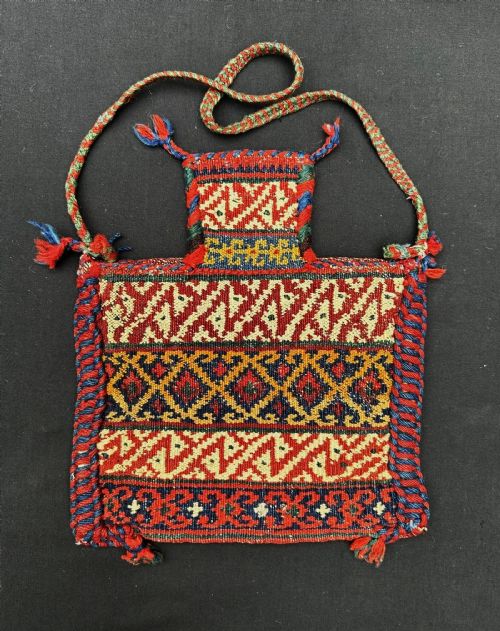
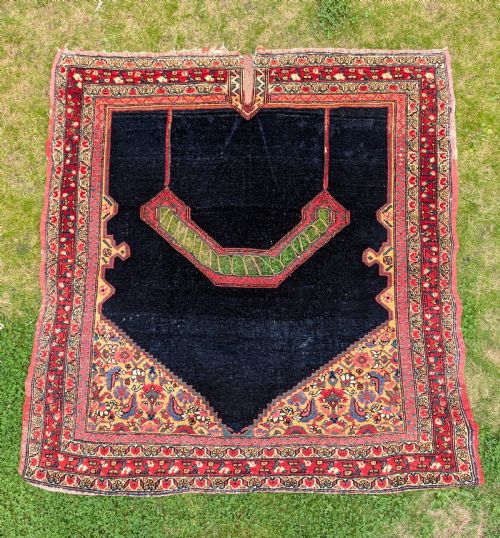
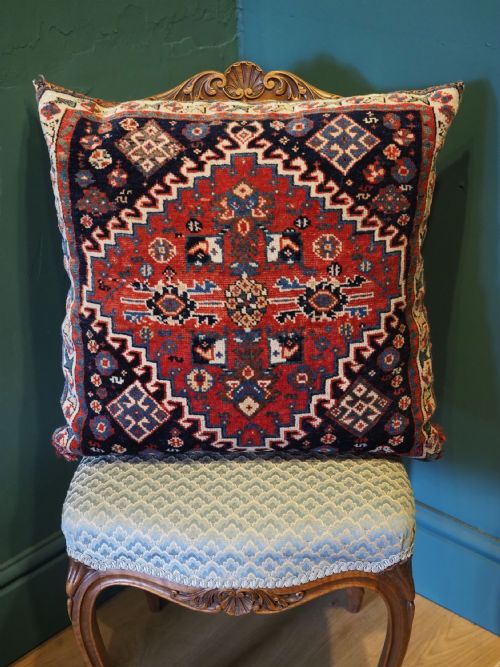
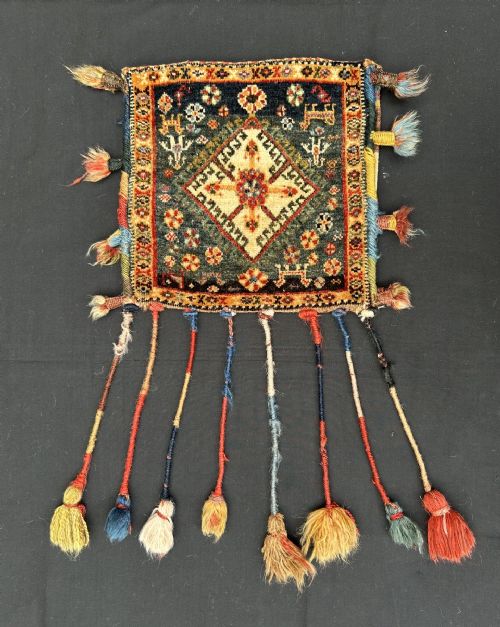
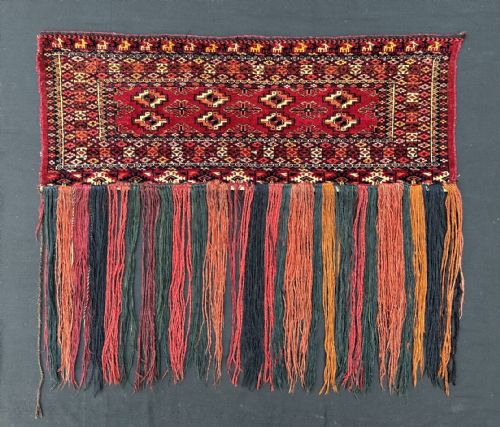
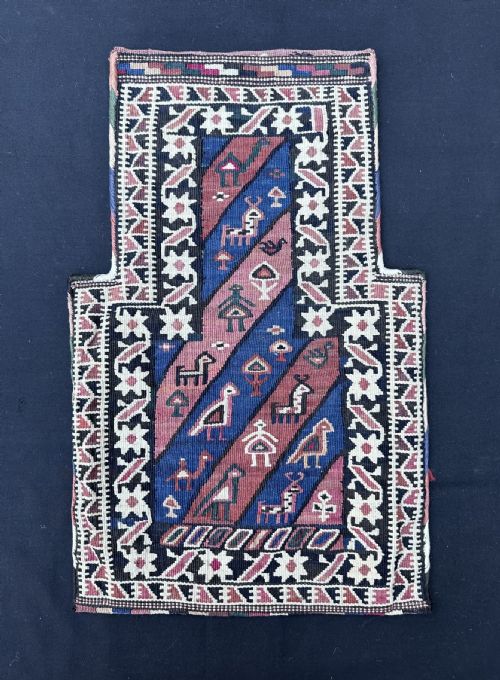
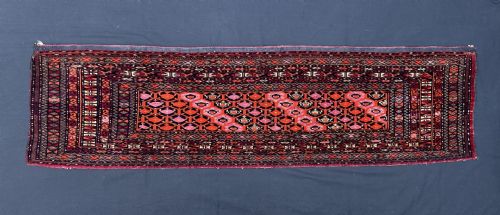
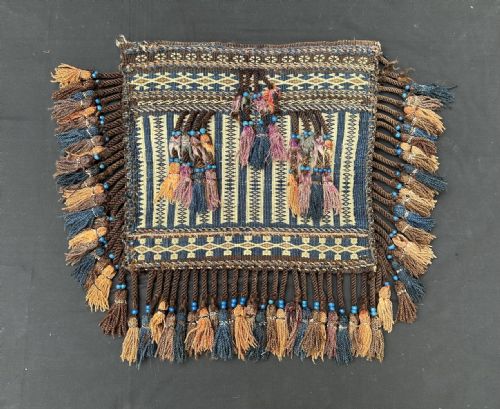
A tribal woven textile encompasses practical domestic and nomadic items created by pastoral groups across Persia, Central Asia, and the Caucasus. These utilitarian objects served specific functions within tribal life, ranging from small personal storage pouches to large saddle covers and horse blankets.
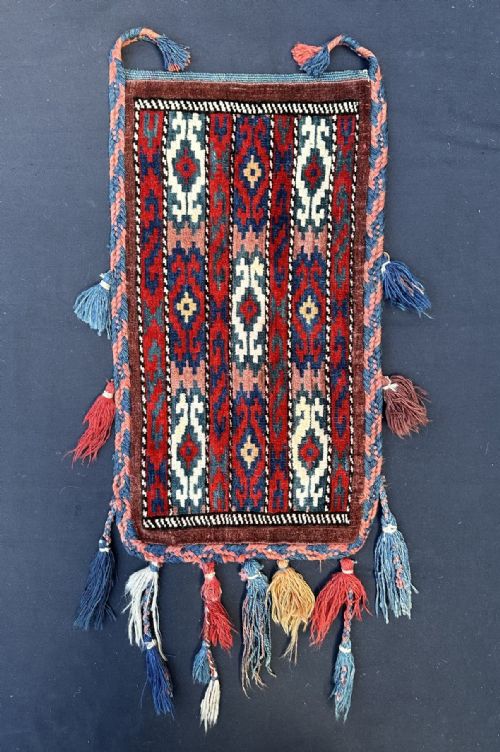
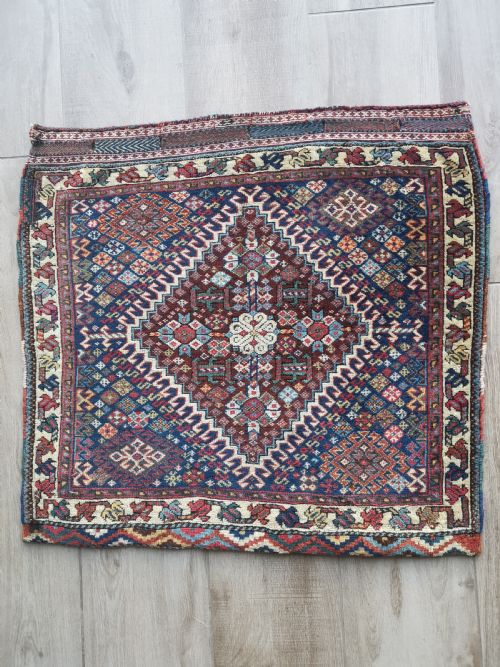
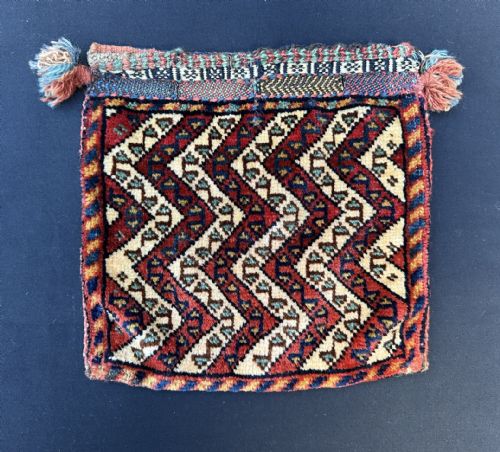
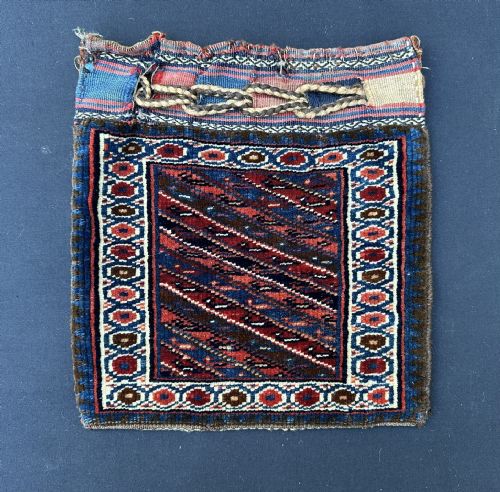
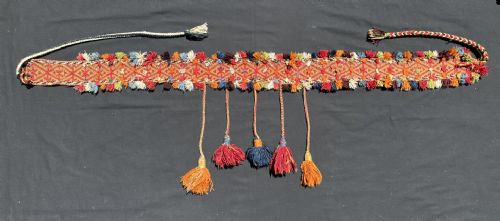
The selections available here lean heavily toward functional containers and animaltrappings produced by distinct confederacies and tribes. Pieces such as vanity bags, salt bags, saddle bags, and animal decorations dominate the forms, reflecting the nomadic reliance on woven transport and storage.
Origins span recognised tribal groups including the Qashqa'i, Yomut, Ersari, Afshar, and Baluch. These works connect modern interiors directly to the utilitarian craft traditions of nineteenth-century nomadic societies.
How they were made
Makers utilised hand-spun wool and cotton as the primary structural foundations for these items. Natural dyes provided the palette, creating deep, saturated tones across the woven surfaces.
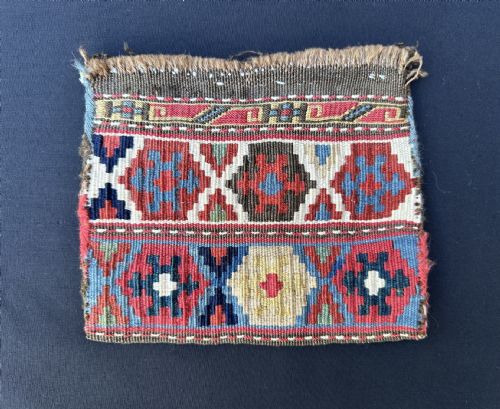
Decoration frequently incorporated additional textures and materials such as glass beads, cowrie shells, and leather accents. Weaving techniques relied on durable flatweave and pile structures designed to withstand daily nomadic travel and wear.
Listings feature pieces from the nineteenth and early twentieth centuries, spanning periods from 1860 to 1920.
What varies in quality
Quality in a tribal woven textile rests upon the precision of the weave and the clarity of the tribal design. Tighter knotting or denser flatweave construction distinguishes sturdier, more resolved examples from simpler utility pieces.
The richness and depth of the natural dyes also divide ordinary specimens from superior ones. Well-balanced colour palettes and intact original borders or tassels elevate the visual impact of an animal trapping or storage bag.
The Tribal Woven Textile Glossary
- Asmalyk
- A pentagonal trapping traditionally used on the flanks of a camel during Turkmen wedding processions. These decorative textiles display intricate regional patterns specific to tribes like the Yomut.
- Sofreh
- A flatwoven spread or cloth used for kneading dough, resting bread, or serving communal meals. These textiles feature geometric field designs tied to specific regional groups such as the Afshar and Timuri.
- Jollar
- A wide storage bag or hanging produced by Turkmen tribes for domestic use inside a yurt. They display characteristic gul motifs arranged in horizontal registers across the face.
- Kap
- A general term for a small storage bag or container woven by nomadic groups to hold personal items or household goods. They often feature finished pile faces with plain-weave backs.
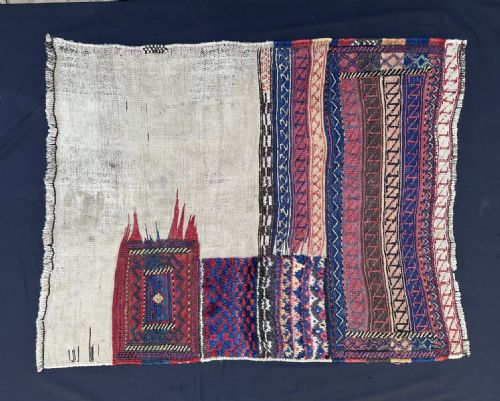
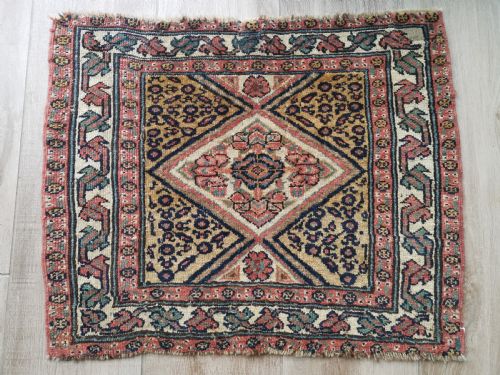
- Bagface
- The decorated front panel of a larger storage sack that was preserved after the utilitarian back portion wore away. These remnants showcase the primary weaving skill and iconography of the maker.
Tribal Woven Textile: Frequently Asked Questions
What did nomads use these bags for?
Nomadic communities relied on these woven containers for practical storage and transport during seasonal migrations. They held salt, tobacco, personal vanity items, and household goods inside tents.
Larger versions functioned as animal trappings, saddle covers, or horse blankets used during travel and ceremonial occasions.
How do I display a textile?
Smaller storage bags and bagfaces suit mounting on interior walls as textile art. Their compact dimensions fit well in smaller residential spaces.
Saddle covers and larger flatweaves can be placed on low tables or used as accent pieces on benches. Keep them away from direct sunlight to protect the natural dyes.
What is the difference between a pile rug and flatweave?
Pile items involve knotted tufts of wool that create a plush, raised surface on the face of the textile. This technique provides extra thickness and durability for saddle covers and floor rugs.
Flatweaves lack this raised pile, relying instead on interlocking or warp-wrapped threads to create smooth, lightweight surfaces suited for storage bags and bread spreads.