







Cream Woven Tribal Textile
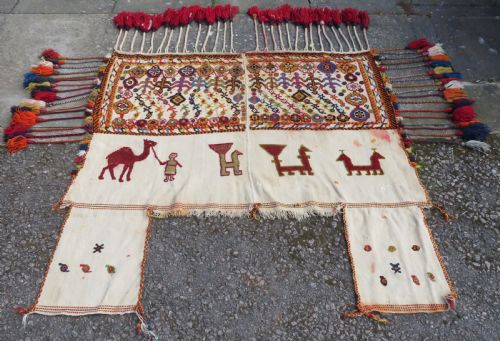
These cream woven tribal textile pieces are utilitarian nomadic weavings created for domestic and transport use by tribal groups.
Cream Woven Tribal Textile
When you search for cream woven tribal textile, you are looking at functional nomadic weavings produced by tribal groups across Persia and Central Asia. These items include utilitarian bags, bread sofreh, horse blanket covers, grain sacks such as the tacheh, and extensive tent bands. The pieces originate from specific tribal confederacies including the Qashqa'i, Luri-Bakhtiari, Teke, and Uzbek groups.
You are most likely to meet utilitarian forms associated with food preparation, storage, and nomadic shelter. Examples range from wheat sacks and water-pipe bags to tent bands and flatweave kilims. The designs reflect the practical requirements of nomadic life combined with traditional tribal motifs.
How they were made
The materials recorded in these pieces rely predominantly on wool, hand-spun wool, cotton, and goat hair. These fibres provided the durability and strength required for nomadic transport and daily domestic handling. Natural dyes supply the underlying coloration across the textiles.
Weaving techniques encompass flatweave construction, pile methods, and utilitarian looping or bag assembly suited to nomadic production. The creation of tent bands and storage bags involved sturdy structural weaves designed to endure constant movement and weather.
Cream Woven Tribal Textile Retail Price Guide 2026
Typical asking prices for cream woven tribal textile among the pieces listed under this phrase on Sellingantiques today, from the lower quarter to the upper quarter. They describe what is for sale here now, not the wider market.
Listings span periods from eighteen-fifty to nineteen-twenty, utilising wool, hand-spun wool, cotton, natural dyes, and goat hair.
What varies in quality
Quality varies according to the fineness of the hand-spun wool and the tightness of the weave. Tighter structures and more complex pattern execution distinguish finer nomadic work from heavier utility pieces.
The complexity and preservation of the traditional tribal motifs also influence the character of each piece. Intricate structural assemblies, such as those found on specialised grain sacks and tent bands, indicate higher levels of weaving skill.
Luri-Bakhtiari Tribes·Teke Tribes
The Cream Woven Tribal Textile Glossary
- Tacheh
- A traditional tribal grain sack or transport bag used by nomadic groups in western Persia. These items were woven for storing and carrying provisions.
- Sofreh
- A flatwoven spread or cloth used for dining, food preparation, or handling bread within nomadic households. They are typically rectangular or square in format.
- Kilim
- A flatwoven textile produced without a pile, common throughout Persia and Central Asia. This technique creates a smooth surface with patterns visible on both sides.
- Tent Band
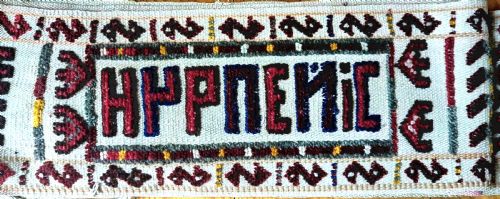
- A long woven strip used structurally within nomadic tent architecture to secure the yurt or dwelling. These bands often feature repeating geometric patterns.
- Goat Hair
- A coarse animal fibre utilised in tribal weaving for its exceptional durability and resistance to moisture. It is frequently employed in structural edges and utility bags.
Cream Woven Tribal Textile: Frequently Asked Questions
What is a cream woven tribal textile used for?
These textiles served practical functions within nomadic communities, ranging from grain storage and bread preparation to horse covers and tent construction.
Items such as tacheh sacks and sofreh cloths were central to daily domestic routines and nomadic transport.
Where do these tribal textiles come from?
The pieces originate primarily from Persia and Central Asia, created by specific tribal groups and confederacies.
Regions such as the Chahar Mahal valley in western Persia and Fars province are particularly well represented.
How do I care for an antique textile?
Keep the piece away from direct sunlight to protect the natural dyes and fibres from fading over time.
Gentle vacuuming without a rotating brush helps remove dust without stressing the historic weave.
How do I identify a tacheh?
A tacheh is typically structured as a utilitarian bag or wheat sack produced by groups like the Bakhtiari.
They feature sturdy flatweave or pile construction designed for practical use during nomadic migration.