



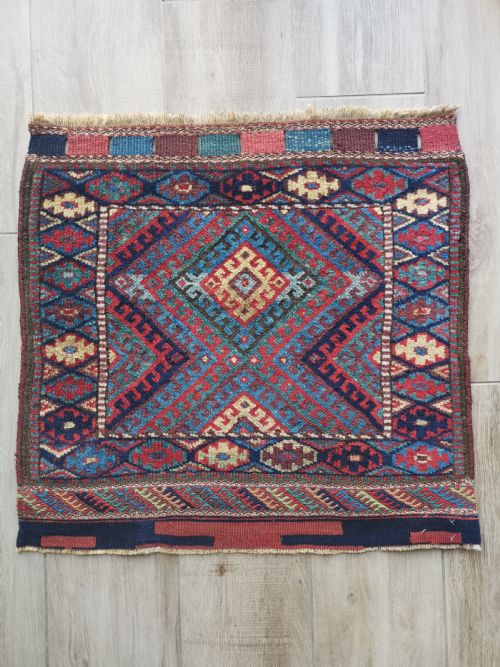
Persian Textile Wall Hanging
A persian textile wall hanging brings the geometric brilliance and vegetable-dyed warmth of nineteenth-century nomadic weaving straight onto your interior walls.
Persian Textile Wall Hanging
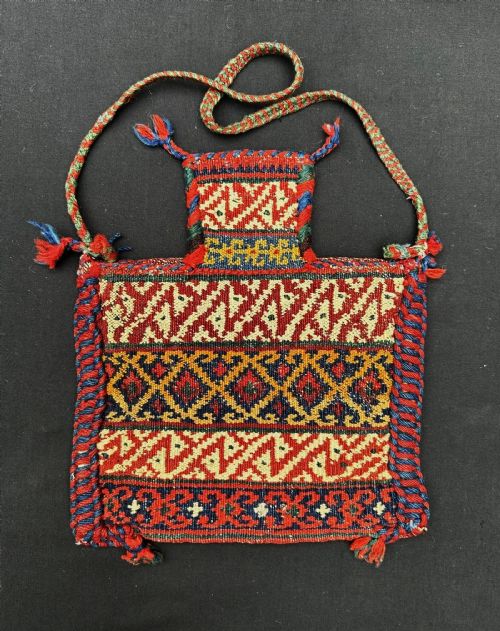
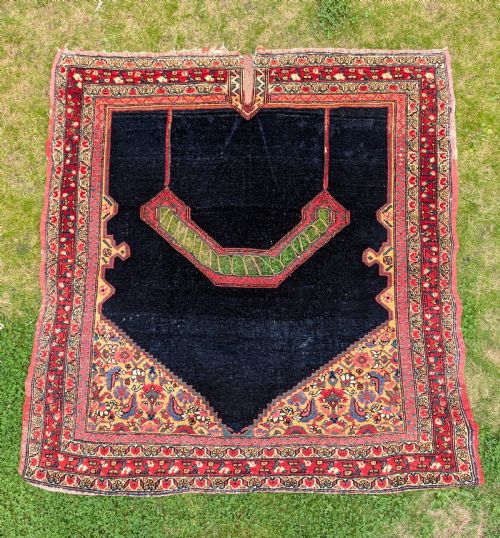
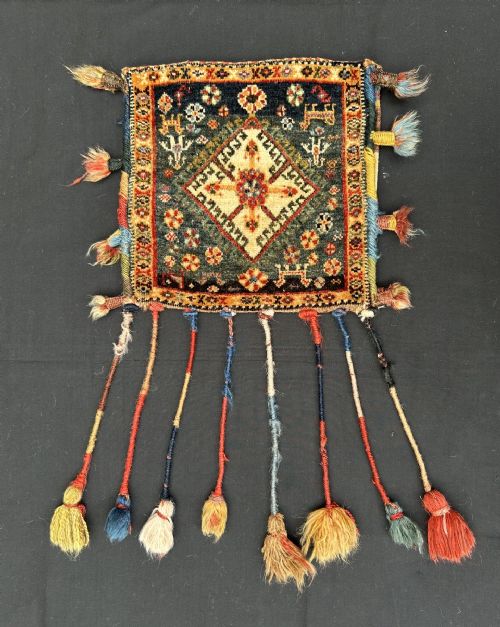
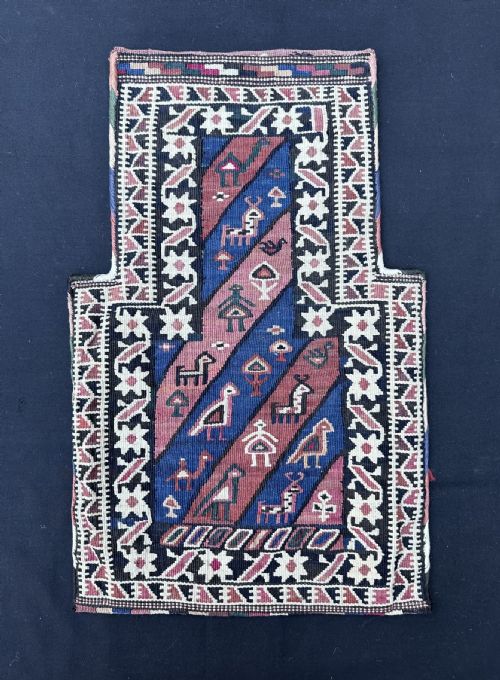
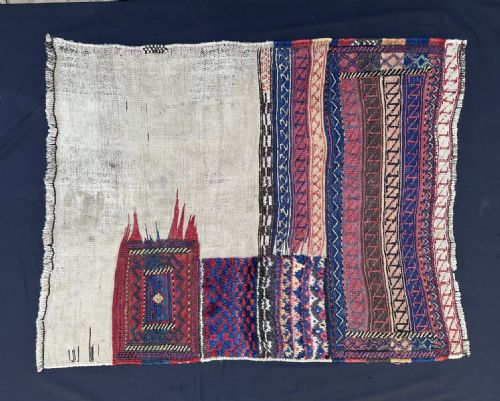
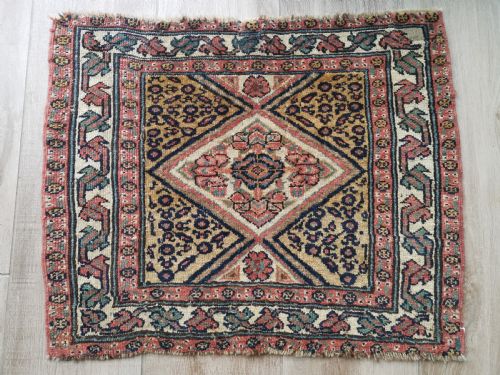
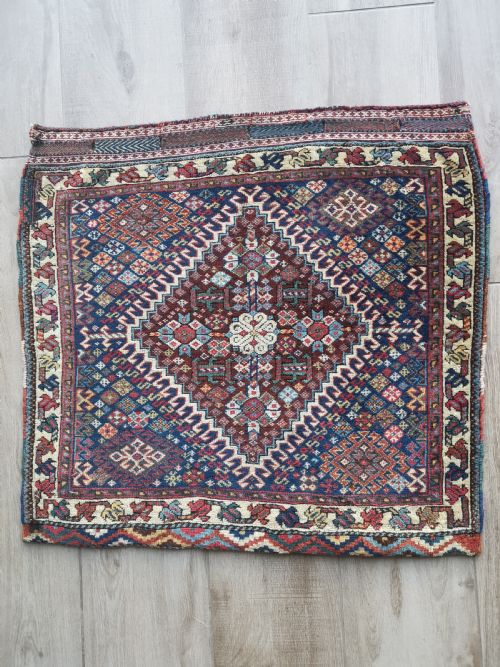
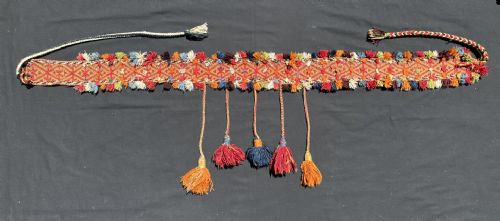
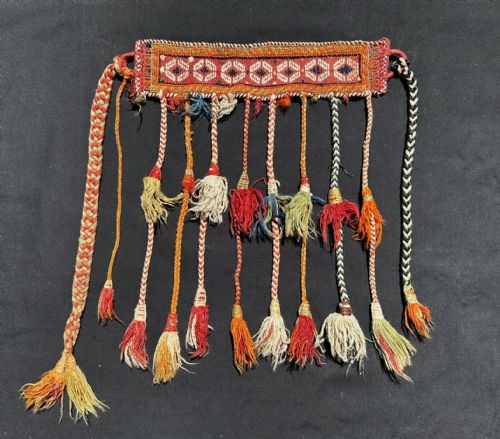
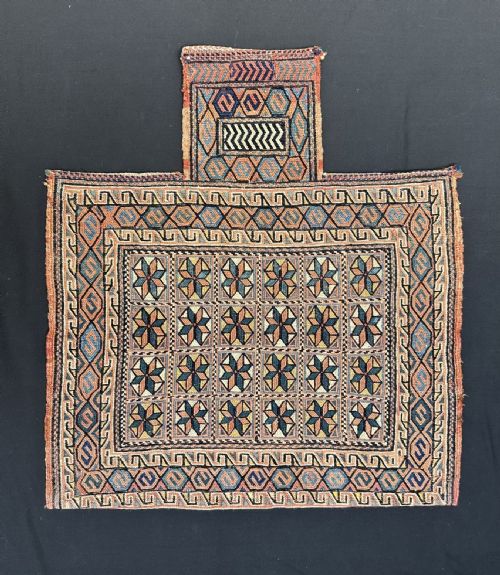
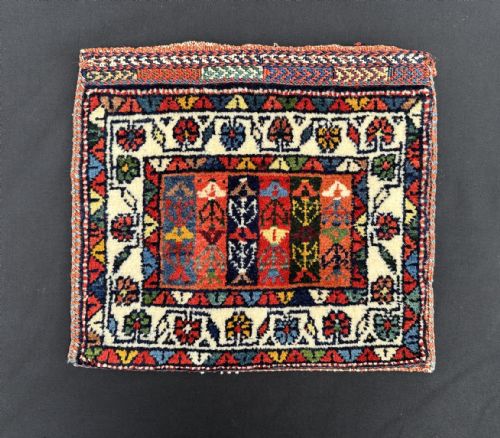
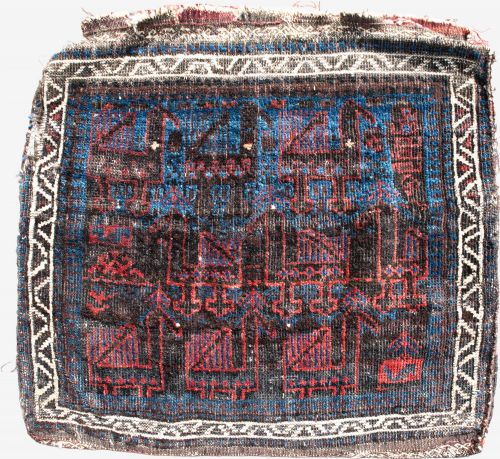
A persian textile wall hanging groups together functional nomadic weavings repurposed for display, including salt bags, animal trappings, storage faces, and embroidered panels. These objects originate from nineteenth-century pastoral groups such as the Qashqa'i, Afshar, Shahsavan, and Bakhtiari tribes across various provinces of Persia.
While the marketplace shows few literal wall hangings by original function, it offers numerous authentic tribal bagfaces, saddle covers, sofreh bread cloths, and Rasht embroidery panels that serve this purpose wonderfully. Buyers meet mostly nineteenth-century and early twentieth-century examples woven or embroidered by hand in wool, silk, and felt.
The aesthetic appeal lies in authentic tribal geometry, natural dye palettes, and tactile construction methods that carry centuries of nomadic tradition. Selecting one means acquiring a piece of functional tribal history adapted for modern interior display.
What varies in quality
Quality rests primarily in the fineness of the weave, the complexity of the tribal design, and the vibrancy or depth of the natural dyes used. Pieces showing exceptional precision in geometric execution and superior wool quality stand apart from simpler utilitarian items.
The condition of the textile, the completeness of original borders, and the complexity of tribal attribution also dictate the upper tier of the range. Superior examples retain their structural integrity alongside clear, saturated colour palettes.
Several bags preserve the exact utilitarian intent of nomadic life, once storing tobacco, pipes, salt, or cradling tribal infants.
The Persian Textile Wall Hanging Glossary
- Sofreh
- A flatwoven spread or cloth used traditionally for dough preparation, bread making, or serving communal meals.
- Khorjin
- A traditional double saddlebag woven by nomadic groups for transporting personal possessions during migrations.
- Chanteh
- A small personal bag or vanity pouch woven with pile or flatweave techniques by tribal women.
- Rasht embroidery
- A traditional Persian technique featuring intricate silk chain-stitch embroidery and applique work on wool felt backings.
- Sumac
- A warp-wrapping flatweave technique that creates crisp geometric patterns with a sturdy, ribbed texture on the reverse.
Persian Textile Wall Hanging: Frequently Asked Questions
How do I hang a textile safely?
Mounting a textile requires distributing the weight evenly across a supportive sleeve or using archival velcro systems stitched carefully to the reverse. This prevents local tearing and keeps the piece flat against the wall.
Avoid using direct nails or pins that pierce the historic fibres, as these concentrate tension and cause permanent damage over time.
Are these pieces truly antique?
The pieces available date predominantly from the nineteenth century up to the early twentieth century, spanning periods like the 1880s and 1900s. They represent genuine tribal artefacts made before synthetic aniline dyes became widespread.
Examining the materials, hand-spun yarns, and natural colour variations confirms their age and traditional nomadic origins.
How do I clean an antique textile?
Gentle surface dust removal with a soft brush or low-suction vacuum through a protective mesh screen is usually sufficient for maintenance. Professional textile conservators should handle any deep cleaning to prevent dye bleeding or fibre shrinkage.
Water and standard detergents can permanently ruin natural dyes and delicate historical wool or silk foundations.
Which tribe made my hanging?
Tribal attribution relies on specific geometric motifs, colour combinations, and structural weaving traits characteristic of groups like the Qashqa'i, Afshar, or Shahsavan. Each confederacy utilised distinct design vocabularies passed down through generations.
Consulting regional provenances listed with the item often reveals the specific province or sub-tribe responsible for the weaving.