





Black Silk Embroidered Panel
These black silk embroidered panel examples bring needlework from Central Asian tribes, China, Japan, and Victorian England into modern interiors.
Black Silk Embroidered Panel
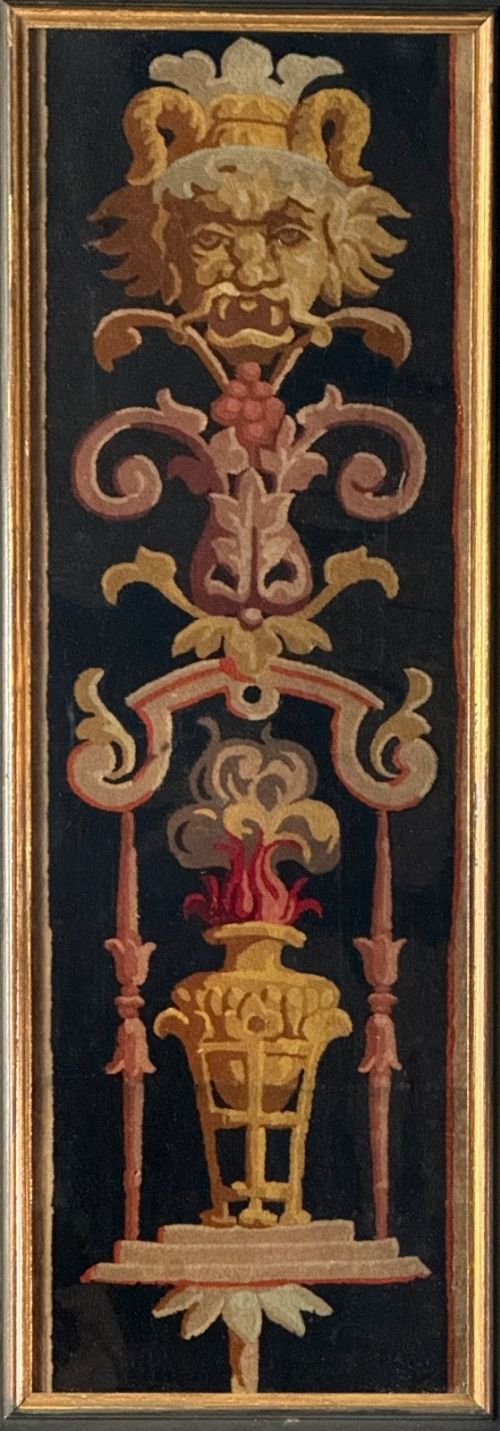
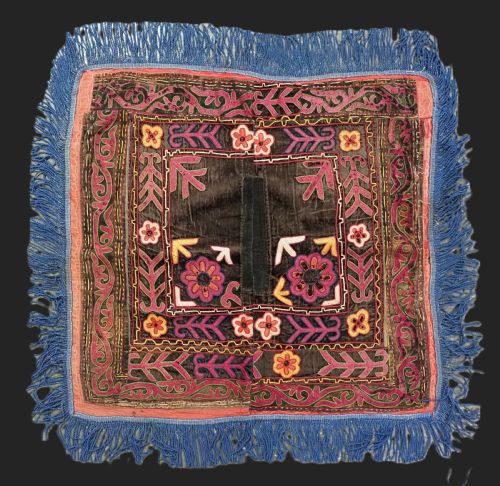
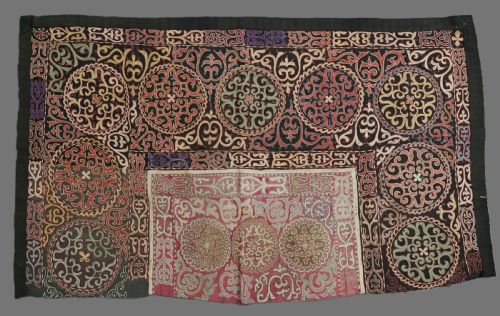
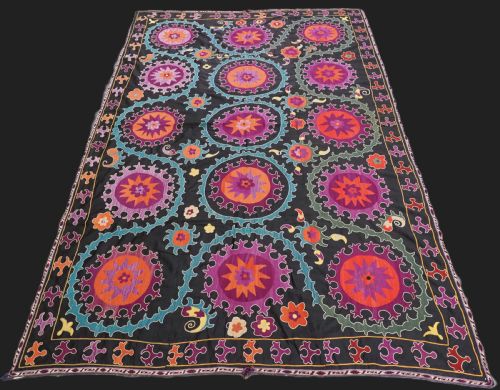
When you search for a black silk embroidered panel, you encounter a range of textile art spanning from the Georgian period and the nineteenth century through to the nineteen-thirties. The pieces on this page take various forms, including framed pictures, wall hangings, folding screens, and mirror covers.
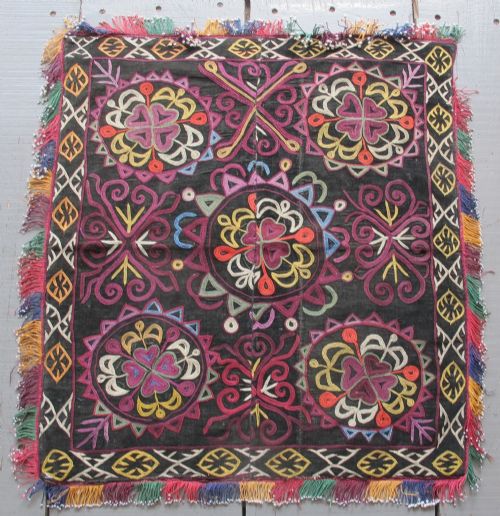
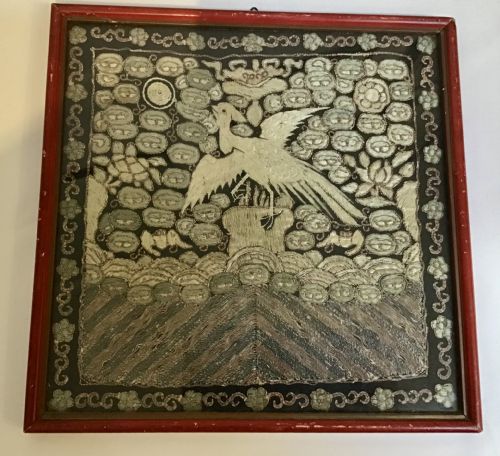
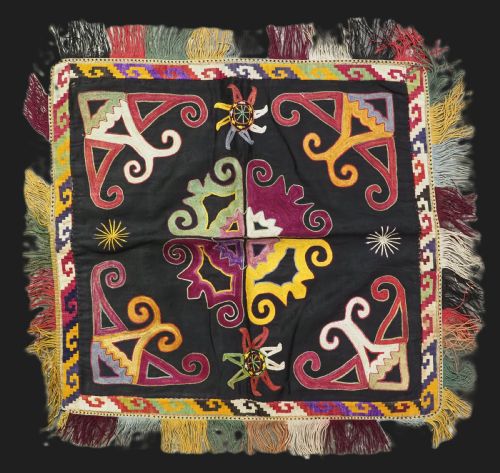
The regional origins of these textiles vary significantly, featuring Central Asian tribal work such as Uzbek Lakai ilgichs and Kyrgyz Tush Kyiz wall hangings. Other examples originate from Qing Dynasty China, Meiji period Japan, Persia, and Victorian England.
Silk embroidery on a dark ground forms the core of this selection, incorporating varied motifs like tiger and dragon relief hangings alongside traditional dowry embroideries.
How they were made
Makers utilised silk threads, metallic threads, and wool to stitch intricate designs onto silk, cotton, felt, and velvet grounds. Wood and glass frequently appear in the framing or structural elements of these textiles.
Techniques range from tribal dowry embroidery and needlework mounted in picture panels to relief hanging embroidery and textile screens. Individual pieces reflect regional traditions from Central Asia, East Asia, and Europe.
Even dragons need a rest from guarding mountains once they are safely stitched onto a velvet wall hanging.
What varies in quality
The finesse of the needlework and the complexity of the threadwork dictate the visual impact of each textile. Dense stitching and intricate pictorial composition distinguish the finer examples.
Condition and survival of the delicate ground materials play a role in the standing of a piece. Well-preserved textiles retain the vibrancy of their original silk and metallic threads.
Iida Takashimaya Company
The Black Silk Embroidered Panel Glossary
- Ilgich
- A Central Asian tribal embroidery piece, often created as dowry work by Uzbek groups for wall hanging. These textiles display distinct geometric and symbolic motifs.
- Suzani
- A type of embroidered and decorative tribal textile made in Tajikistan, Uzbekistan, and other Central Asian nations. They are traditionally worked with silk thread on cotton or silk grounds.
- Rank Badge
- A square embroidered badge sewn onto the robes of Qing Dynasty officials to indicate their rank. They frequently depict birds or animals worked in fine threads.
- Sampler
- A piece of needlework produced as a demonstration or test of skill, often featuring alphabets or decorative motifs by makers such as those from the Georgian era.
Black Silk Embroidered Panel: Frequently Asked Questions
What is a black silk embroidered panel?
These items encompass textile art, wall hangings, and framed pictures created across various global regions during the nineteenth and early twentieth centuries. They feature hand-stitched needlework on dark silk, cotton, or felt grounds.
Origins span from Central Asian tribal workshops and East Asian courts to Victorian English parlours, offering diverse decorative styles.
How were these panels used historically?
Many examples served specific cultural and domestic functions, such as tribal dowry embroideries, yurt wall hangings, and mirror covers. Others were made as framed pictures or decorative screens for domestic interiors.
In Asian traditions, certain pieces indicated official rank or brought auspicious symbols into the home.
How do I care for an antique silk panel?
Protect fragile antique textiles from direct sunlight to prevent the silk and metallic threads from fading or degrading further over time. Framing under glass helps shield the delicate embroidery from dust and physical handling.
Maintain stable indoor humidity levels and avoid hanging textiles in damp environments where the natural fibres might deteriorate.
How do I date a black silk embroidered panel?
Dating relies on examining the materials, stitching techniques, regional styles, and framing methods associated with periods like the Victorian era or Qing Dynasty. Stylistic motifs often point to specific cultural traditions from Central Asia or East Asia.
Documentary evidence, such as inscribed dates on samplers or known maker associations, provides further chronological context.