



Cream Flatweave Rug
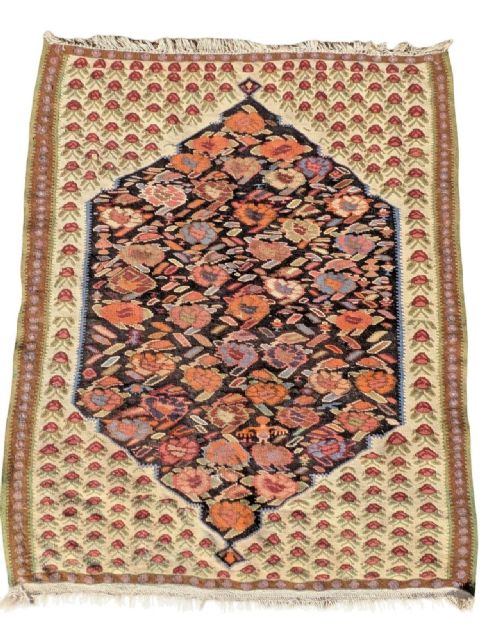
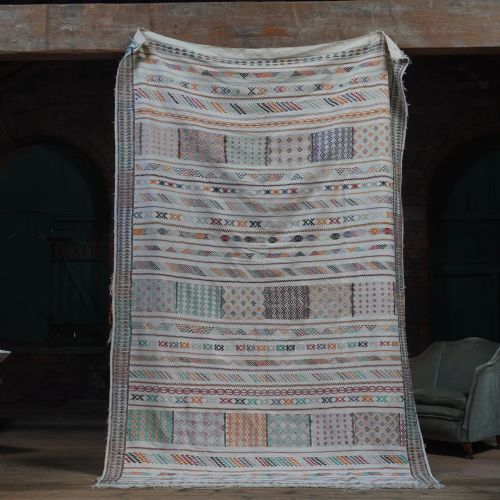
These textiles sold as a cream flatweave rug bring together nomadic flatweaves and European tapestries, offering flat surfaces and muted tones for modern floors.
Cream Flatweave Rug
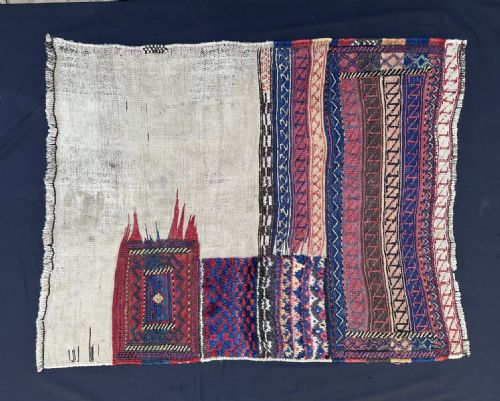
A cream flatweave rug encompasses flat-surfaced floor coverings and wall hangings originating from Persian tribal groups, Central Asian weavers, and European workshops. When searching for a cream flatweave rug, buyers encounter kilims, French Aubusson weaves, Portuguese needlepoints, and Indian cotton dhurries spanning the nineteenth and twentieth centuries.
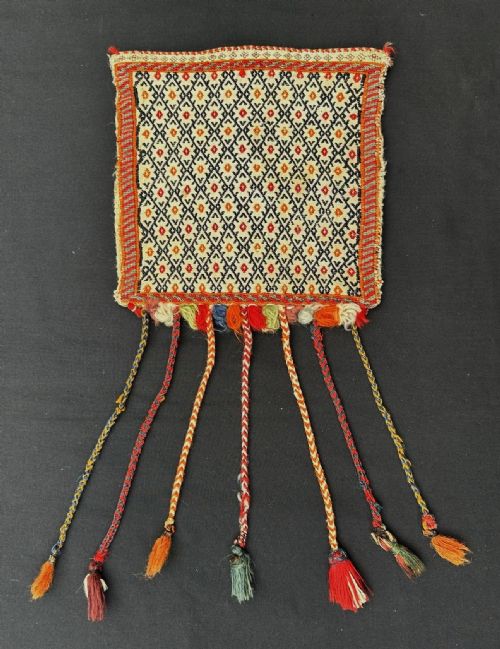
The selection includes specific regional forms such as Bakhtiari and Lori-Bakhtiari bread sofrehs and wheat-sacks, alongside Bessarabian and Pirot kilims. These textiles arrive from diverse traditions, sharing a flat pile-free structure that suits high-traffic areas and traditional interiors alike.
How they were made
Weavers constructed these pieces using wool, cotton, hand-spun wool, canvas, goat hair, and sabra cactus silk, often coloured with natural dyes. Techniques range from slit-tapestry weaving in tribal kilims to needlepoint stitching and crewelwork embroidery on canvas grounds.
Nomadic makers utilised local animal fibres and simple upright looms to produce durable flat textiles like tent bands and grain bags, while European and Kashmiri workshops employed refined embroidery methods and floral designs.
Several textiles served practical nomadic lives as wheat-sacks, bread cloths, and water-pipe bags before finding new roles on modern floors.
What varies in quality
Quality in these textiles depends on the tightness of the weave, the consistency of the hand-spun fibres, and the complexity of the traditional design. Tightly beaten wefts create structurally sound kilims that hold their shape over decades of use.
The subtlety of natural dye palettes and the precision of geometric or floral motifs distinguish finer tribal pieces and European needlepoints from simpler commercial productions.
The Cream Flatweave Rug Glossary
- Kilim
- A flatwoven carpet or rug produced without a pile, traditionally made across the Middle East and Eastern Europe. These pieces rely on interlocking weft threads to create sharp geometric patterns.
- Sofreh
- A woven spread or cloth used by nomadic tribes for dining, kneading bread, or storing flour. They often feature symbolic tribal motifs and durable flatweave construction.
- Dhurrie
- A traditional Indian flatwoven rug typically made from cotton or wool. They provide a lightweight, reversible floor covering with a flat surface.
- Chain Stitch
- An embroidery technique forming a loop stitch that resembles a chain, seen in traditional Kashmir rugs and decorative textiles. It creates a textured linear pattern across the fabric surface.
- Needlepoint
- A type of canvas work embroidery stitched by hand using wool or silk yarn. European examples often display classical floral designs inspired by French chateau styles.
Cream Flatweave Rug: Frequently Asked Questions
How do I clean a flatweave rug?
Regular gentle vacuuming without a beater bar removes loose dust and grit from the flat weave. Professional specialist cleaning is recommended for antique wool and silk textiles to protect the natural dyes.
Water and harsh detergents can damage older fibres and cause colours to run. Spot cleaning should be approached with caution, using mild solutions suited to historical textiles.
Can I use these rugs in high traffic areas?
Flatweave rugs made from wool and goat hair possess natural durability and handle foot traffic well. Their lack of a pile prevents the matting and crushing seen in traditional knotted carpets.
Underlays help prevent slipping and reduce friction against hard floors, extending the working life of older flatweaves. Placing them in moderate traffic zones balances preservation with everyday utility.
What is the difference between a kilim and a dhurrie?
Kilims are typically woven using slit-tapestry techniques with wool, creating distinct geometric designs through interlocking weft threads. They originate largely from Persian, Turkish, and Balkan traditions.
Dhuries are flatwoven textiles traditionally made in India using cotton or wool, often featuring banded or simpler patterns. Their construction differs in weight and regional fibre selection.
How do I date an antique flatweave?
Dating relies on identifying regional weaving structures, traditional motifs, and the specific types of natural dyes employed by makers. Archival comparisons with documented tribal pieces help narrow down the period of production.
Fibre analysis and the presence of hand-spun wool or specific canvas backings provide further clues to nineteenth and early twentieth-century origins.