

Persian Tribal Mat
A persian tribal mat brings the earthy wool textures and geometric storytelling of nomadic weavers directly into your room.
Persian Tribal Mat
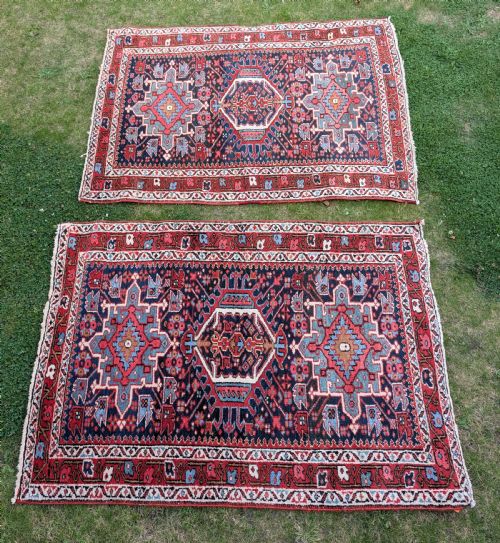
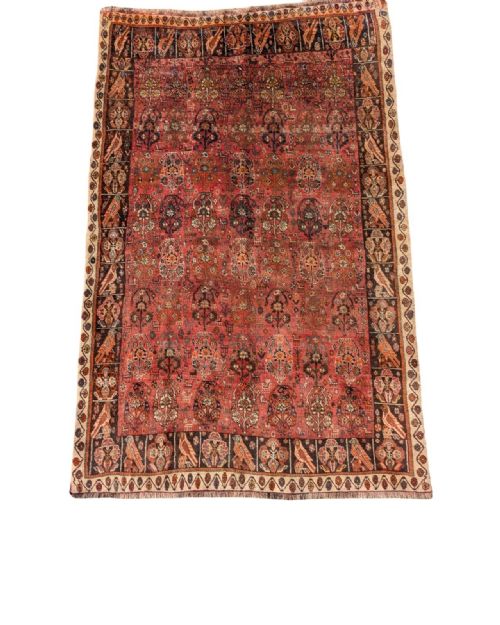
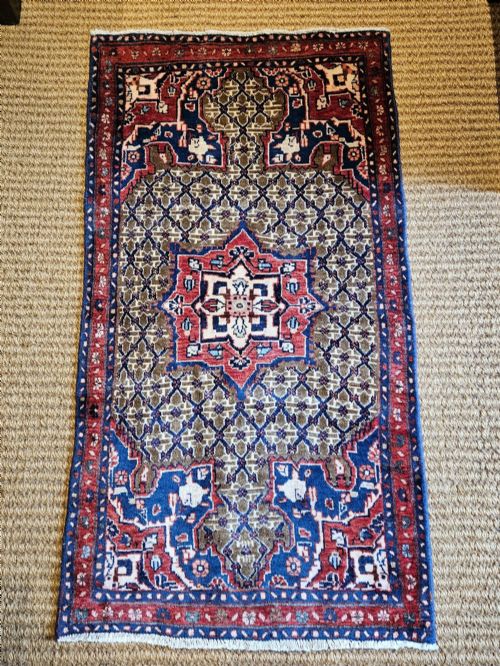
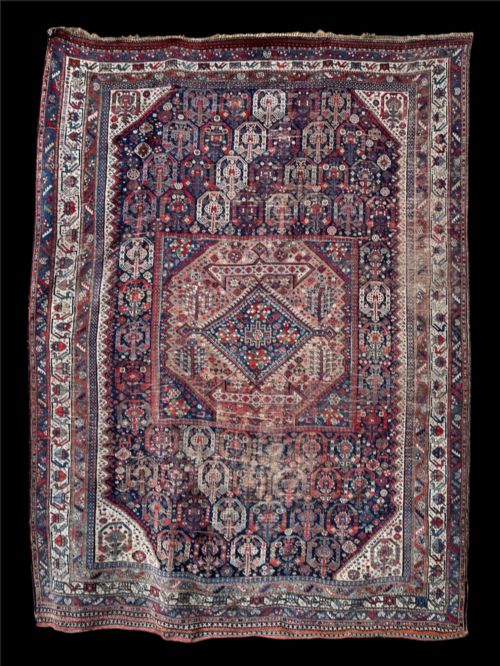
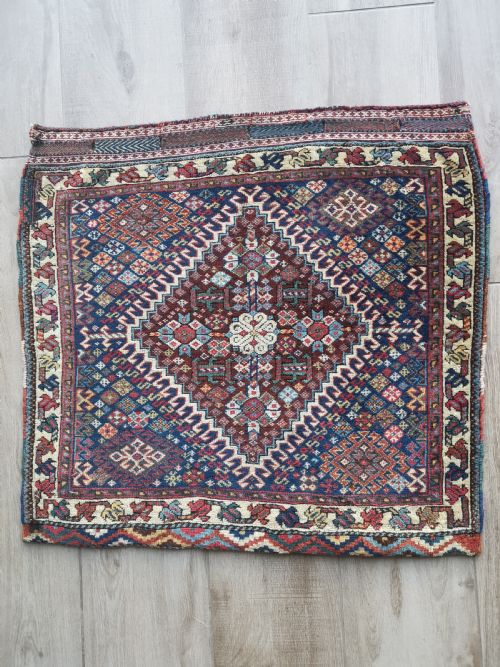
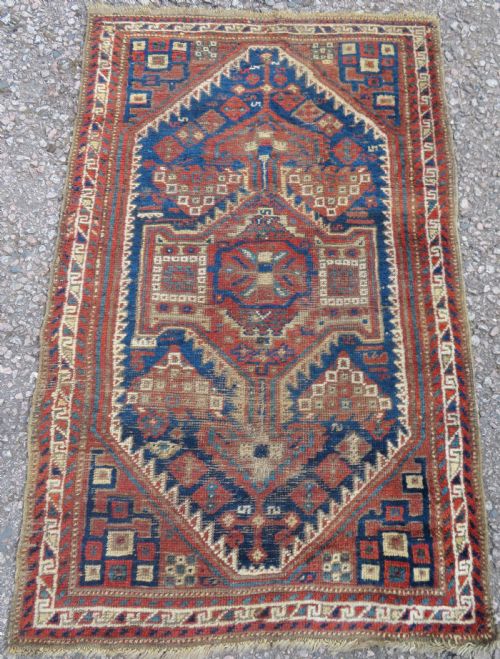
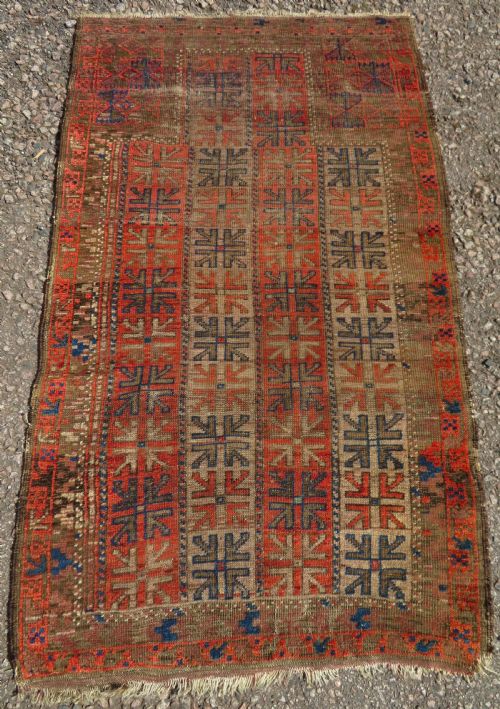
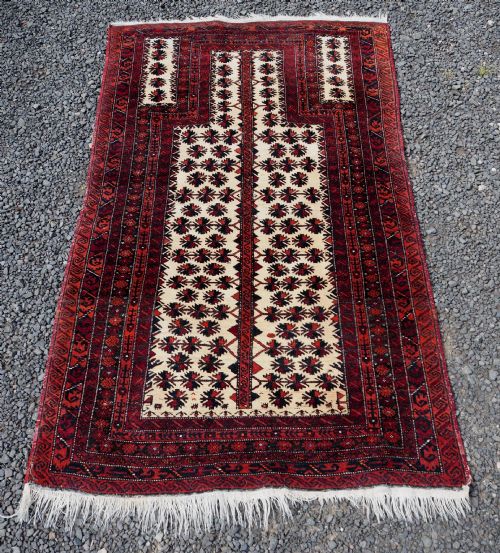
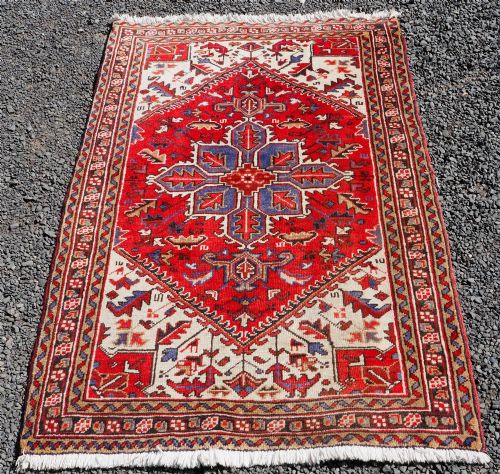
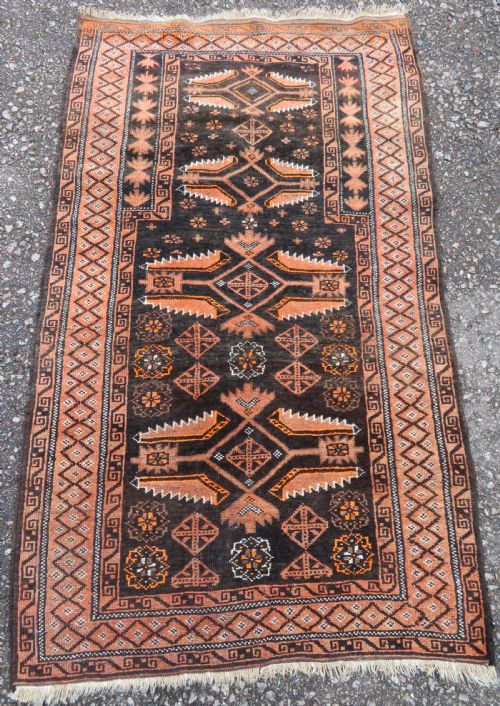
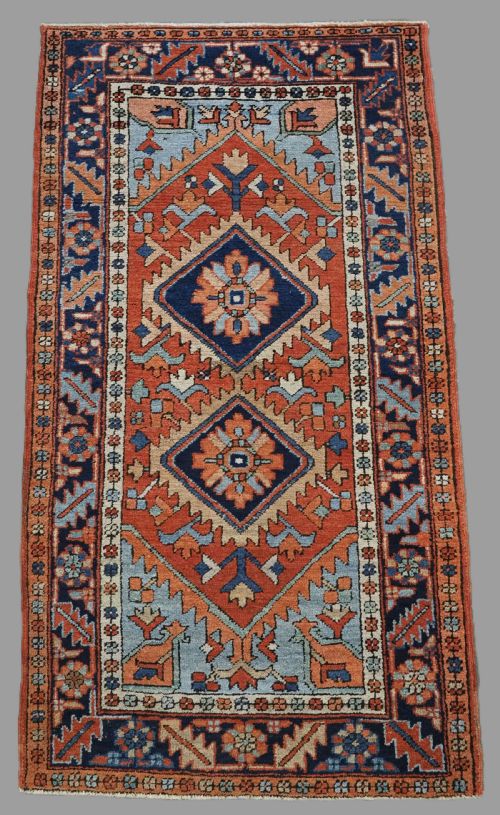
When searching for a persian tribal mat, buyers encounter floor coverings and textiles woven by nomadic and village groups across nineteenth and early twentieth century Persia. These pieces range from small hearth rugs and prayer rugs to utilitarian bread sofrehs and saddlebags created for daily camp life.
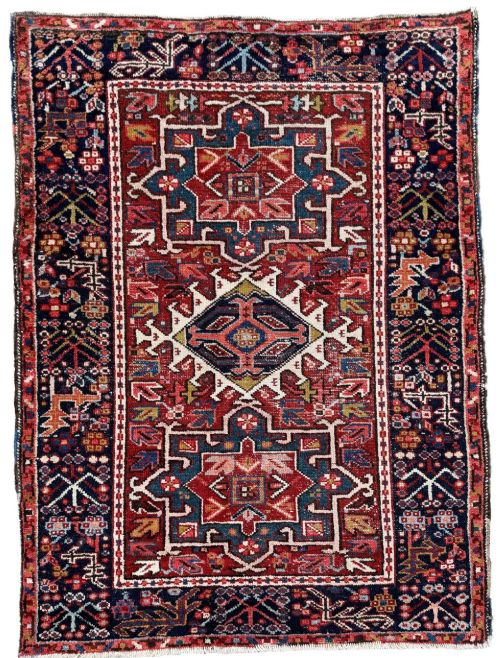
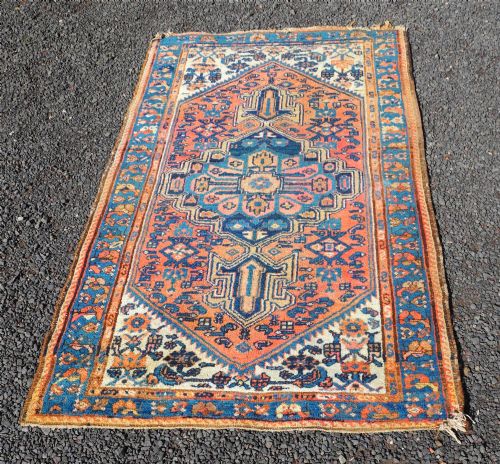
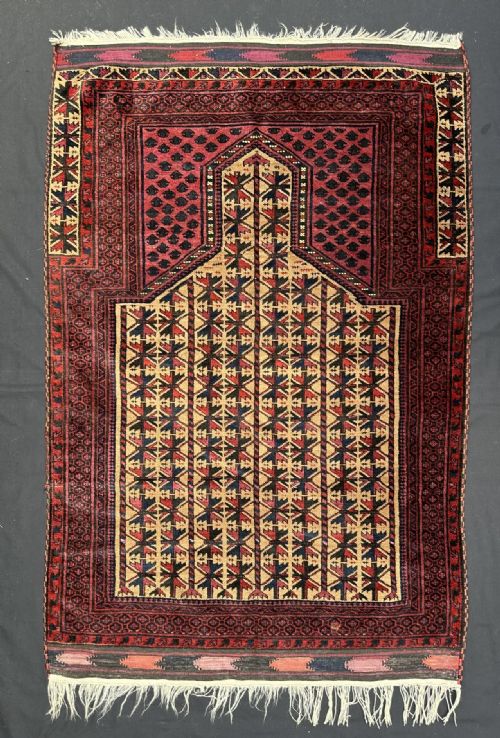
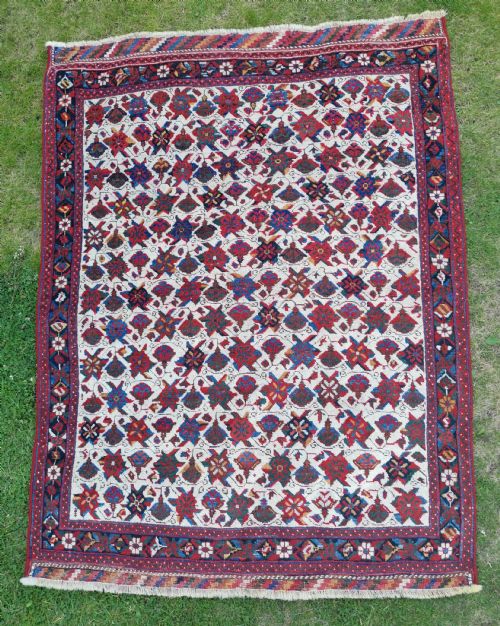
The selections on this page span regional groups such as the Afshar, Baluch, Karaja, Kashgai, Khamseh, and Timuri tribes. Small format scatter rugs and compact prayer formats dominate the offerings, reflecting the portable nature of nomadic weaving traditions.
How They Were Made
Weavers constructed these pieces using hand-spun wool for the pile and foundation yarns, often supported by cotton warps in later village examples. Natural dyes provided the deep reds, blues, and earthy tones that define the palette.
Nomadic households utilised traditional vertical and horizontal looms set up temporarily in camps. The resulting flatweaves, pile rugs, and utilitarian sofrehs display dense knotting and flatwoven ends designed for durability.
The inventory records numerous prayer rugs and bread sofrehs attributed to Afshar and Timuri nomads.
What Varies in Quality
Quality rests in the depth of natural colour saturation and the precision of tribal geometric design motifs. Finer examples exhibit closely packed knots and supple handle foundations that indicate skilled regional spinning.
The distinction between standard village production and exceptional nomadic pieces lies in the individuality of drawing and the vibrancy of the dye palette. Untouched original edges and complete borders elevate the desirability of surviving fragments.
The Persian Tribal Mat Glossary
- Sofreh
- A utilitarian flatweave or pile textile used for spreading meals, kneading dough, or storing bread within nomadic households. These functional cloths often feature striking field designs suited for display.
- Prayer rug
- A small format rug featuring a mihrab or niche design used by Muslims for daily prayers. Tribal weavers interpreted this architectural motif with local geometric variations.
- Pushti
- A small mat or scatter rug intended for cushion use or placement on seating platforms. They share the structural knotting density of larger carpets in a compact size.
- Bagface
- The decorated front panel of a storage sack or saddlebag produced by nomadic tribes. These panels survived independently after the utility sacks wore out from travel.
- Natural dyes
- Colourants derived from plants, roots, and insects before the widespread adoption of synthetic alternatives. They yield subtle tonal variations across the wool pile.
Persian Tribal Mat: Frequently Asked Questions
How do I use a tribal mat at home?
These small formats work well as accent pieces on wooden floors, beside beds, or hung directly on walls as textiles. Their compact scale allows them to fit easily into hallways and smaller rooms.
Because they originate from nomadic and village weaving traditions, they bring warmth and grounded texture to modern and traditional interiors alike.
What is the difference between a rug and a sofreh?
Rugs are typically woven with a thick wool pile designed for floor placement and foot traffic. A sofreh served as a utilitarian spread for handling food, dough, or bread within the tent.
Sofrehs often feature flatwoven structures or low-pile surfaces combined with symbolic tribal iconography related to sustenance.
How can I tell which tribe made a rug?
Tribal attribution relies on specific structural characteristics, such as selvedge finishes, knotting styles, and characteristic colour palettes. Distinctive geometric motifs also link pieces to specific groups like the Afshar or Baluch.
Border designs and wool quality provide further clues to the regional workshops or nomadic confederacies responsible for the weaving.
Are these rugs made from synthetic materials?
Traditional pieces from the nineteenth and early twentieth centuries rely primarily on wool and occasionally cotton foundations. Natural dyes derived from local plants and minerals supplied the original colour palette.
Examinations of the foundation yarns and pile reveal the organic materials typical of pre-synthetic village production.