

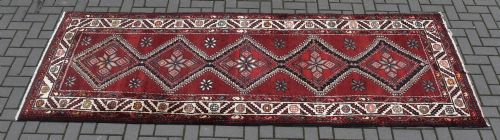

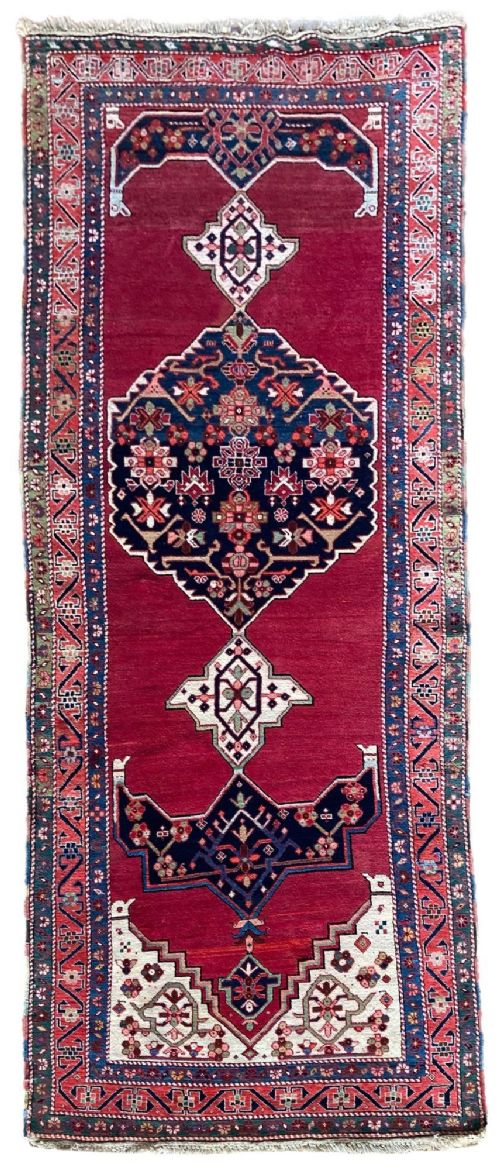
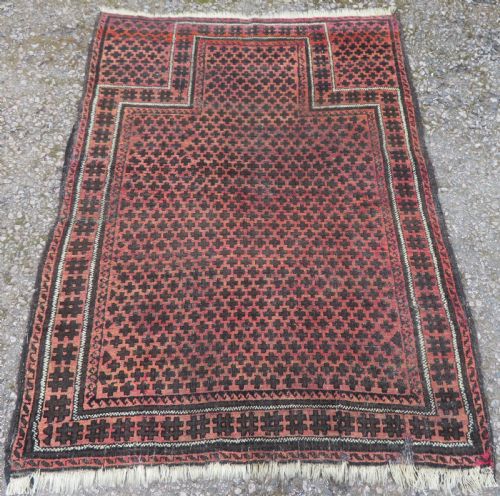


Dark Red Carpet
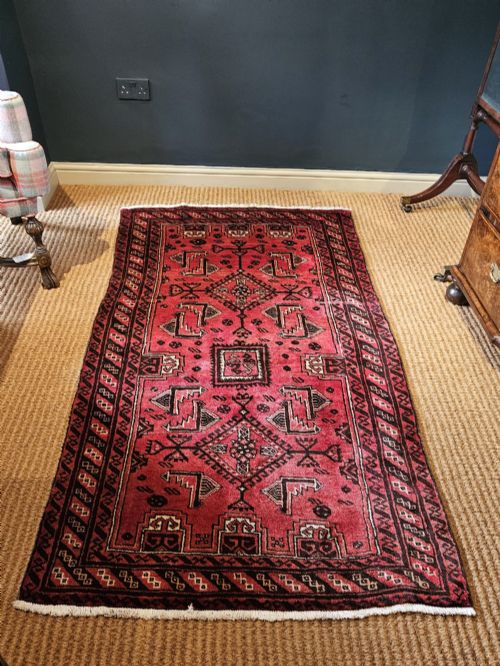
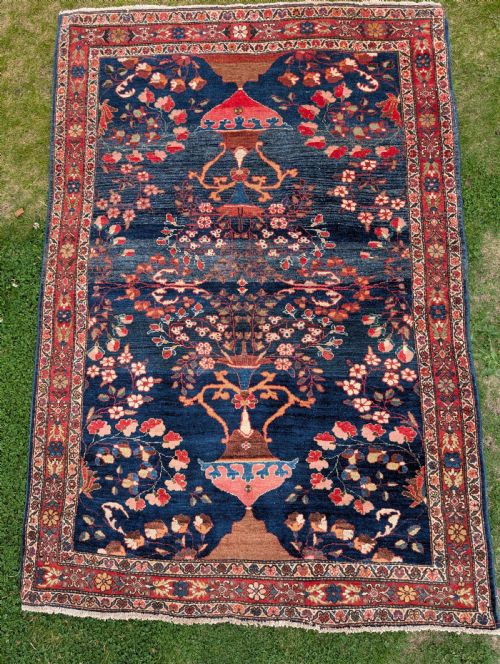
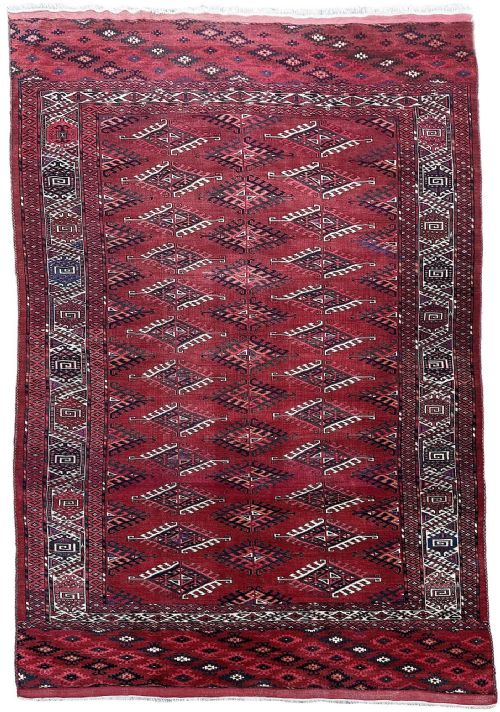
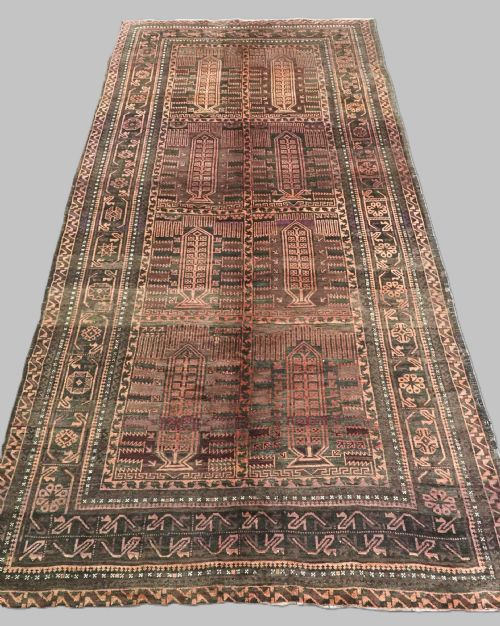
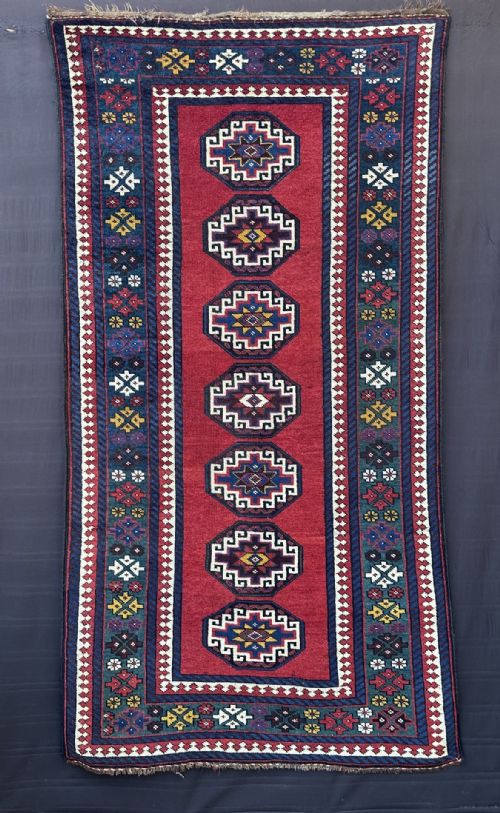
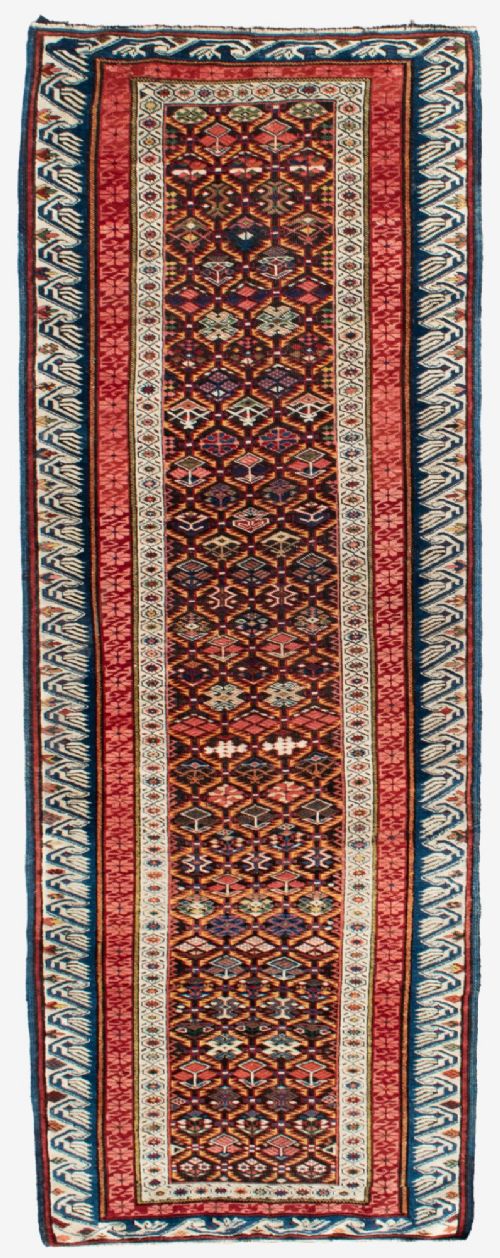
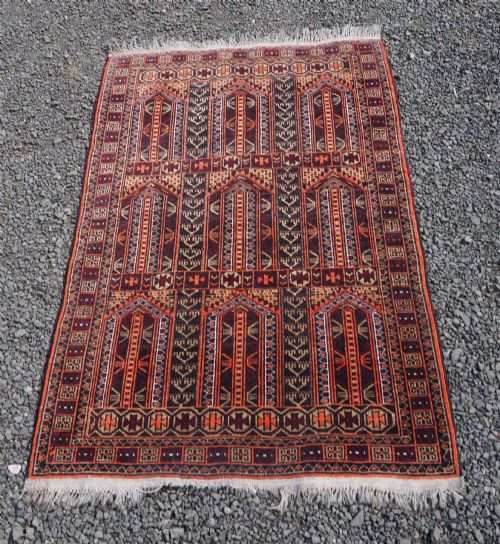
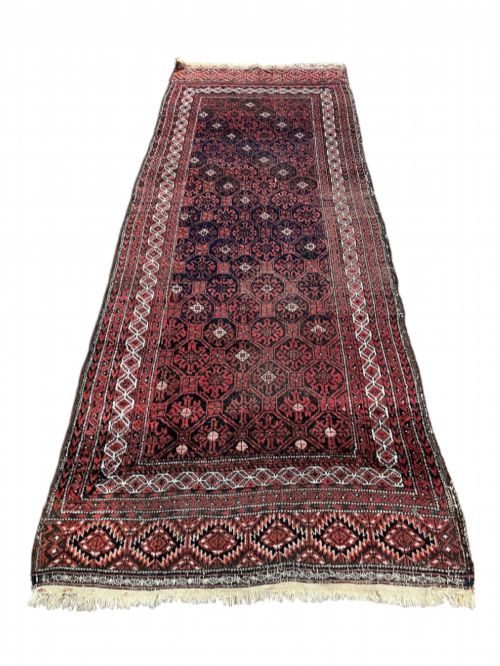
These dark red carpet examples bring deep madder tones and tribal wool craftsmanship directly from nineteenth and early twentieth century looms into modern rooms.
Dark Red Carpet
A dark red carpet designation covers handwoven tribal rugs, runners and torbas originating from Persian, Caucasian and Turkmen weaving traditions. These textiles emerge predominantly from periods spanning the late nineteenth century through the early decades of the twentieth century.
Buyers encounter regional varieties including Baluch, Ersari, Yomut and Tekke pieces alongside specific town and tribal types such as Kashan, Qashqai and Seychor. The common thread across these diverse origins is a rich palette dominated by deep madder and crimson dye work.
Materials and construction methods
Weavers relied on natural dyes extracted from local plants and insects, combined with hand-spun wool and occasional goat hair foundations. These organic materials produce the subtle abrash and deep tonal variations seen across the surface of older carpets.
The construction involves dense hand-knotting on wool or cotton warps, creating durable pile fabrics designed originally for nomadic camp life or village floor use.
Dark Red Carpet Retail Price Guide 2026
Typical asking prices for dark red carpet among the pieces listed under this phrase on Sellingantiques today, from the lower quarter to the upper quarter. They describe what is for sale here now, not the wider market.
Some Baluch weavers hid small geometric amulets within the pile to ward off misfortune during long desert journeys.
Assessing quality in dark red carpet textiles
Quality rests upon knot density, the clarity of tribal motifs and the depth achieved by natural dye recipes. Finer weaves allow complex geometric patterns, such as guls and mina khani designs, to emerge with distinct precision.
The integrity of the original wool materials and the crispness of secondary colours set superior tribal weaving apart from standard commercial production of the period.
The Dark Red Carpet Glossary
- Abrash
- Variation in colour shading caused by changes in dye batches or hand-spun yarn lots. This natural characteristic adds visual depth to the field.
- Gul
- A medallion motif repeated across Turkmen and Central Asian carpets and torbas. Each tribal group utilised distinct gul variants to signal lineage.
- Torba
- A small storage bag face produced by Turkmen weavers. These pieces display intricate secondary designs like ikat patterns and hooked guls.
- Mina khani
- A repeating floral lattice pattern linked by vines. It appears frequently in Persian tribal rugs.
- Mihrab
- An architectural arch design representing a prayer niche. It forms the focal point of specific devotional rugs.
Dark Red Carpet: Frequently Asked Questions
How do I clean a dark red carpet?
Gentle surface brushing and professional specialist washing preserve natural wool piles and traditional dyes. Avoid harsh chemical agents that strip organic colour.
Regular light vacuuming without rotating beater bars prevents dirt accumulation in the foundation knots.
Are these carpets suitable for heavy traffic?
Dense hand-spun wool construction provides natural resilience against foot traffic in hallways and living spaces. Underlays add support and prevent slippage on smooth floors.
Placing them away from direct continuous sunlight preserves the saturation of the madder dyes.
How can I date my carpet?
Stylistic markers, structural materials and dye characteristics help narrow down the period of manufacture. Natural dye usage and specific tribal motifs point towards nineteenth and early twentieth century production.
Foundation materials such as hand-spun wool versus machine-spun cotton offer further clues to age.