

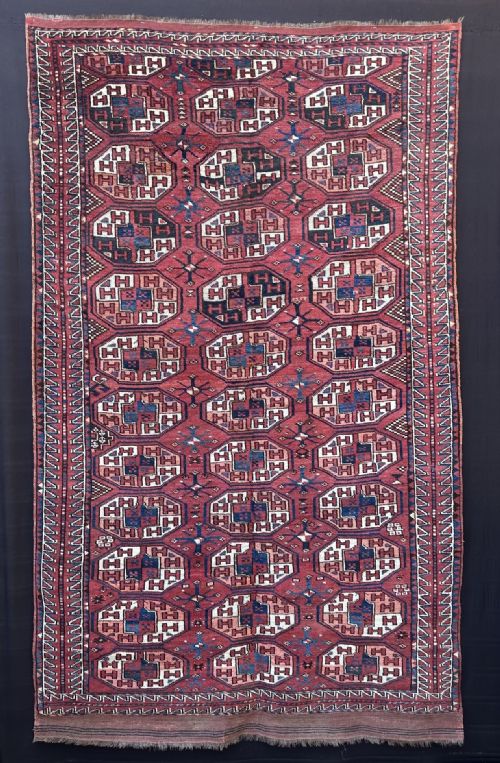
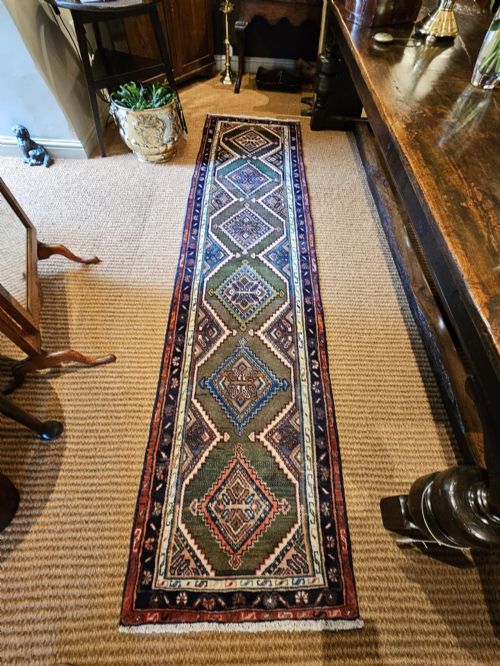



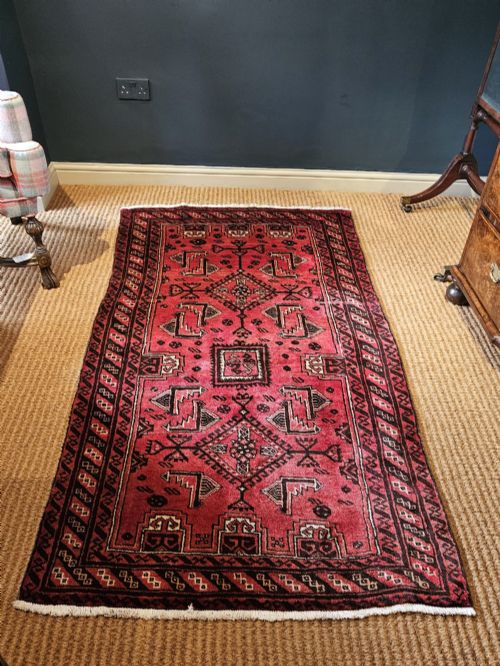


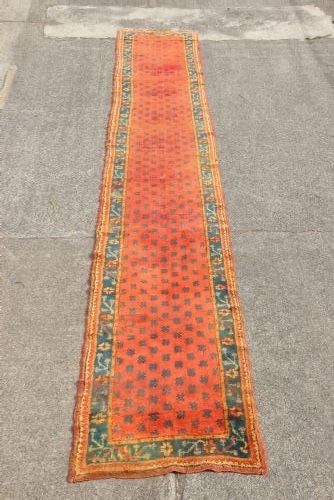
Vintage Rug Runner
A vintage rug runner brings warmth and pattern to long corridors and narrow spaces using time-honoured weaves.
Vintage Rug Runner
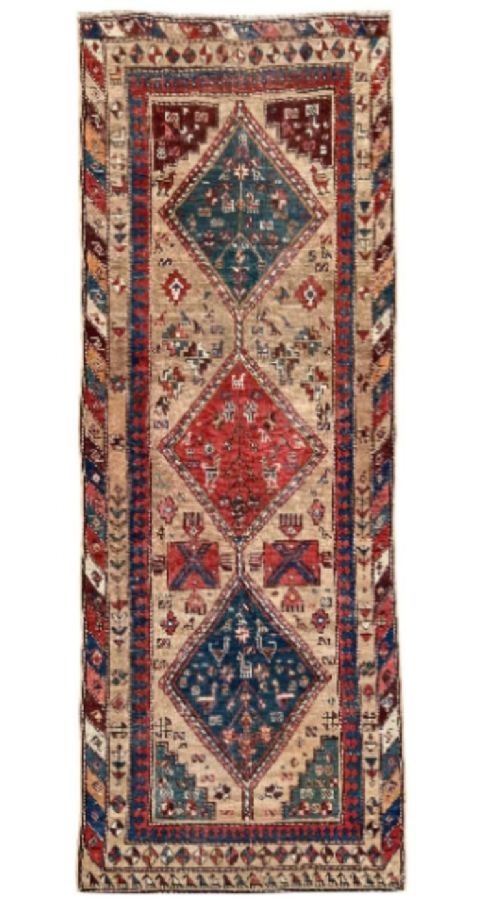
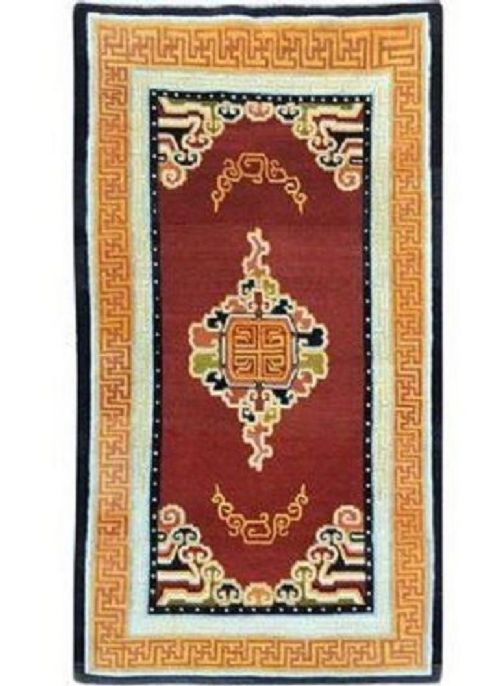
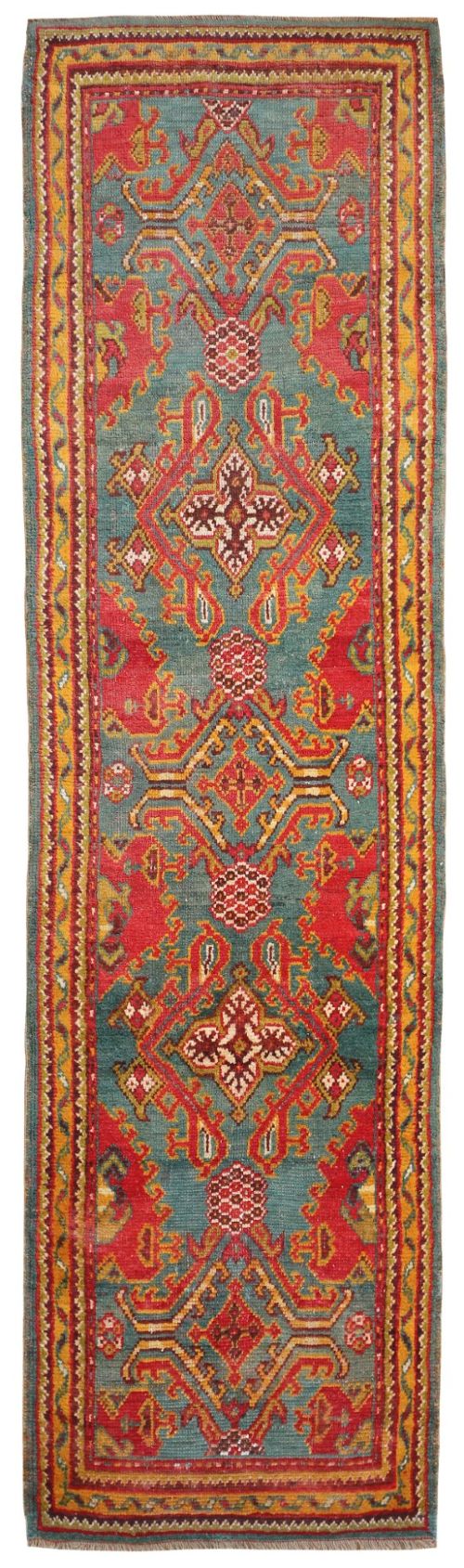
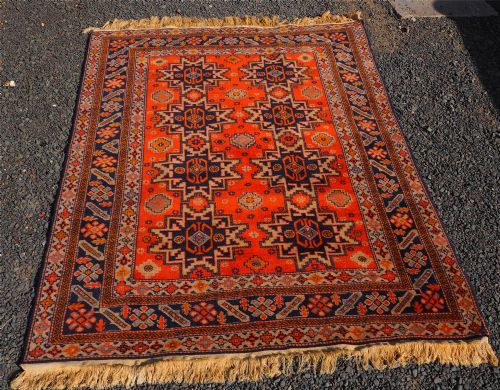
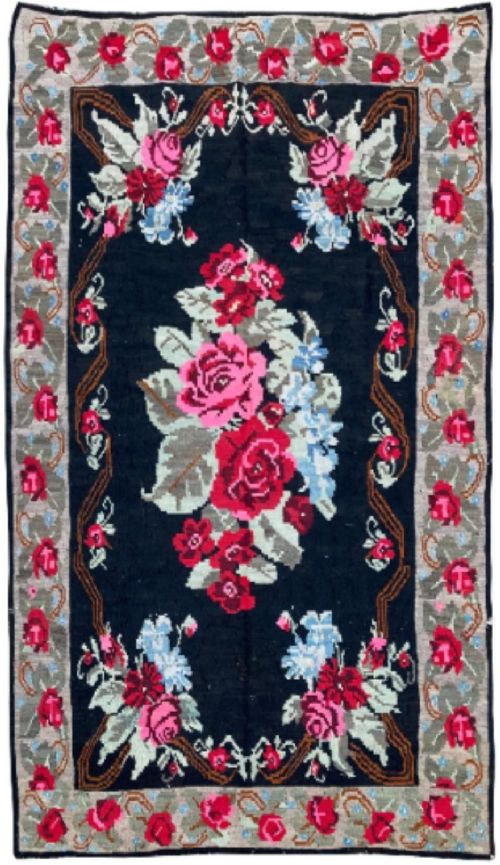
A vintage rug runner provides a narrow, elongated format suited to hallways, corridors, and stairs. The selection here spans the nineteenth century through to the 1930s, offering traditional Oriental, Persian, and tribal designs.
Buyers encounter regional forms originating from Iran, Turkey, and the Caucasus. These textiles balance functional flooring with distinct cultural motifs developed over generations.
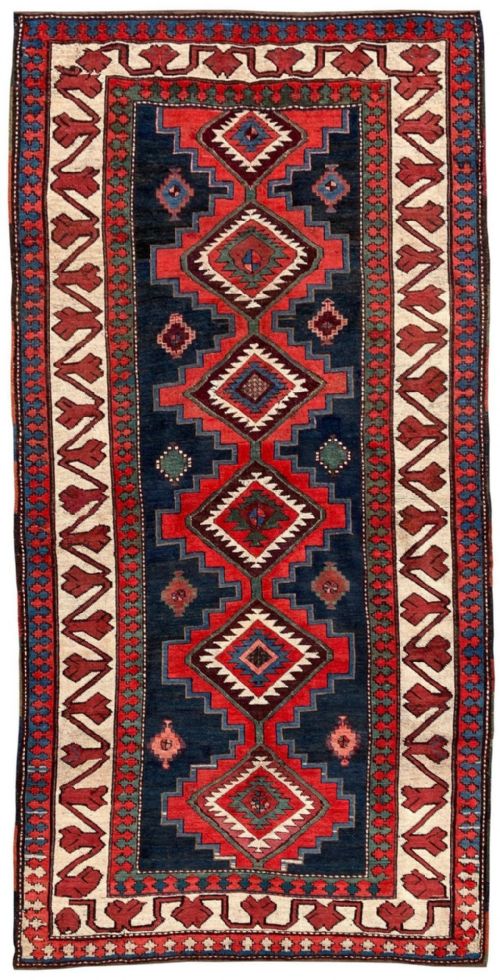
Makers utilised traditional formats including Hamadan, Baluch, Kazak, Karaja, and Kurdish styles. Each piece presents specific geometric or medallion layouts typical of its geographical origin.
How they were made
Makers constructed these runners using wool and cotton foundations and pile. Hand-knotting techniques secured the pile to the warp and weft threads, creating dense surfaces designed to withstand heavy foot traffic.
Natural dye techniques provided the rich colour palettes visible across the nineteenth and early twentieth-century examples. Artisans prepared materials by hand before executing the complex regional patterns.
Vintage Rug Runner Retail Price Guide 2026
Typical asking prices for vintage rug runner among the pieces listed under this phrase on Sellingantiques today, from the lower quarter to the upper quarter. They describe what is for sale here now, not the wider market.
What varies in quality
The density of the knotting and the crispness of the design separate finer examples from simpler village work. Superior pieces display precise geometric control and tightly packed foundations that hold their structure.
The complexity of the regional design scheme and the preservation of the original wool pile determine the standing of each runner. Examples featuring distinct tribal iconography or well-maintained traditional borders sit higher in the range.
The Vintage Rug Runner Glossary
- Runner
- A long, narrow carpet format designed specifically for corridors, hallways, and staircases. This shape directs movement through domestic spaces while protecting wooden floors.
- Pile
- The vertical or diagonal loops of yarn that form the usable surface of a rug. Artisans shear and knot these fibres to achieve specific texture and depth.
- Warp
- The stationary vertical threads stretched across the loom before knotting begins. These structural threads form the fringe at either end of the textile.
- Weft
- The horizontal threads passed alternately over and under the warp threads to lock the knots in place. This technique secures the structural integrity of the weave.
- Medallion
- A central decorative motif placed in the field of a rug or runner. These focal ornaments often draw inspiration from regional architectural or botanical themes.
Vintage Rug Runner: Frequently Asked Questions
Where should I place a runner?
These narrow textiles fit naturally into hallways, corridors, and narrow entryways where standard rectangular carpets fail to reach. Their proportions guide movement and add warmth to transitional zones.
Position them away from excessive moisture to protect the wool and cotton fibres over decades of daily use.
How do I care for wool rugs?
Regular gentle vacuuming without a rotating brush roll removes grit that settles deep within the wool pile. Avoid harsh chemical cleaners which can strip natural dyes from the fibres.
Professional specialist cleaning remains the safest method for addressing deep soil and maintaining the structural integrity of older woven textiles.
What is a tribal design?
Tribal designs originate from nomadic or village weavers working within specific regional traditions rather than urban workshops. These patterns often feature bold geometric forms and symbolic motifs.
Weavers passed these visual languages down through families, resulting in authentic pieces rich in cultural history.
How do I identify a Kazak?
Kazak rugs and runners emerge from the Caucasus region, identifiable by bold primary colours and strong geometric medallions. The palette typically includes deep reds, blues, and ivories.
These pieces showcase a distinctive primitive vigour that separates them from refined Persian court weaving.