





Persian Style Rug
When buying a persian style rug, you choose between village runners, large room-sized carpets, and compact tribal pieces woven across the nineteenth and twentieth centuries.
Persian Style Rug
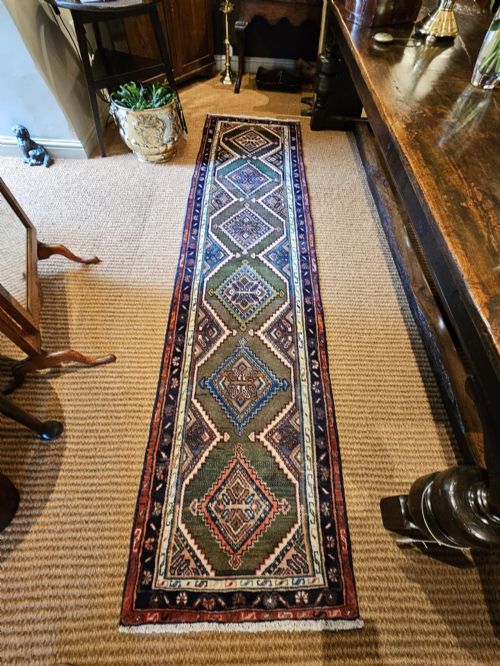
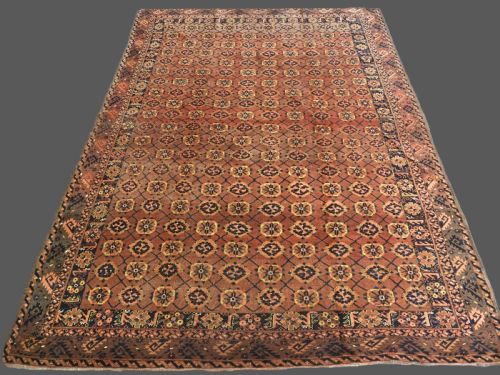
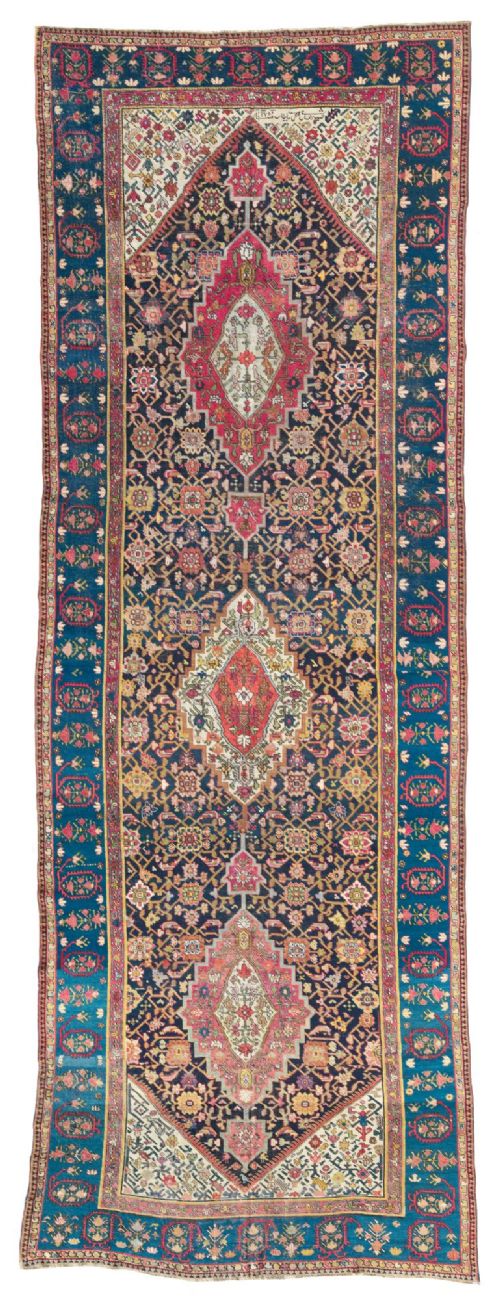
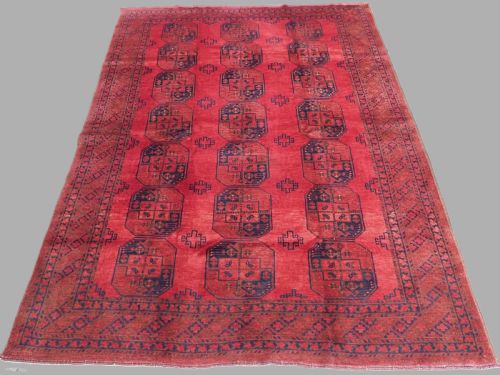
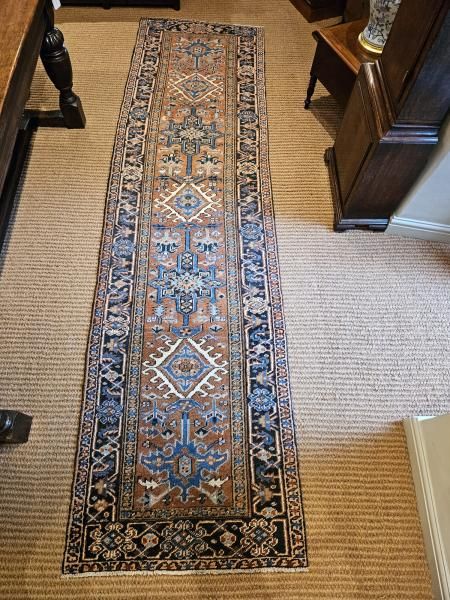
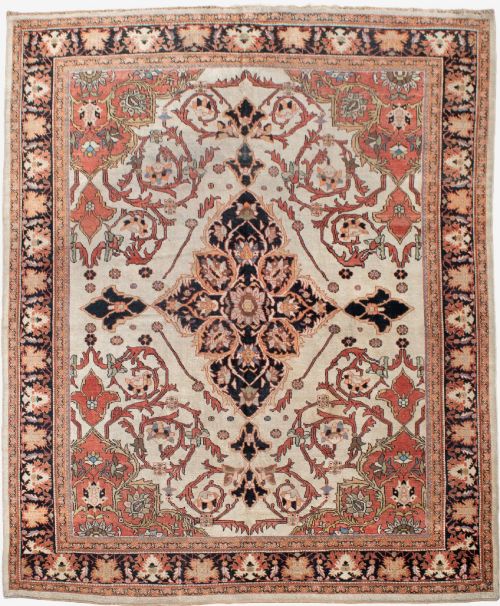
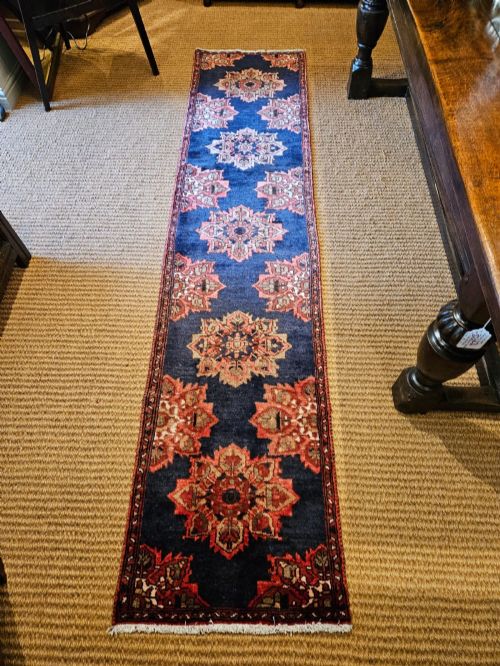
A persian style rug encompasses hand-knotted room carpets, long narrow runners, and small village formats produced across multiple regions and eras. The offerings span from grand Heriz and Oushak room carpets to narrow runners and smaller tribal kelims or bag faces.
Most pieces seen here originate from village workshops and nomadic tribes in Persia, the Caucasus, Anatolia, and Afghanistan, dating from the late nineteenth century through the mid-twentieth century. Buyers encounter distinct regional aesthetics ranging from geometric medallion layouts to all-over floral repeats and stark tribal patterns.
Materials and construction
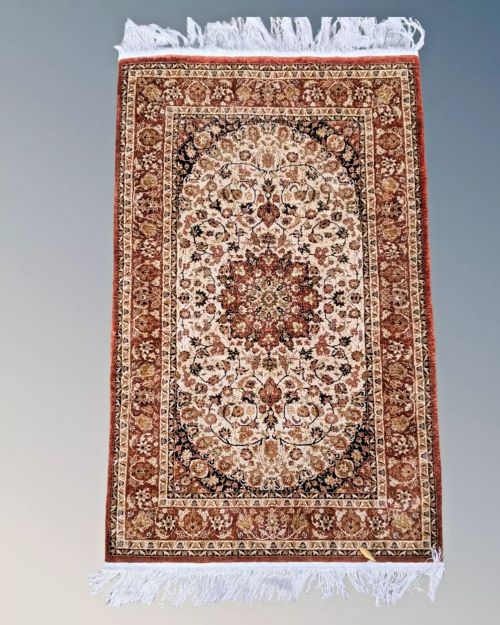
These textiles rely principally on wool and hand-spun wool pile knotted onto sturdy cotton foundations, with occasional fine silk carpets appearing in specific regional types. The weavers tie dense foundation knots by hand, creating resilient floor coverings intended to withstand generations of daily domestic use.
Natural and traditional dyestuffs impart the rich red, olive green, and navy blue background tones characteristic of these older carpets. The manual carding, spinning, and dyeing processes produce subtle shifts in shade across the surface of each individual textile.
Listings span from eighteen-fifty to nineteen-forty, incorporating wool, cotton, hand-spun wool, and silk materials across diverse tribal traditions.
Assessing quality and depth
Quality rests on the density of the hand-knotted pile, the fineness of the spin in the wool, and the stability of the structural foundation. Tighter knotting allows for crisper articulation in complex geometric medallions and curvilinear floral motifs.
The sophistication of the palette and the integrity of the natural dyes distinguish superior village and tribal pieces from simpler commercial productions. Secondary factors include the balance of the overall design composition and the originality of the border proportions.
The Persian Style Rug Glossary
- Heriz
- A large carpet type originating from north-west Persia, known for bold geometric medallions and robust structural wool. These pieces often feature prominent corner spandrels and heavy foundational warps.
- Runner
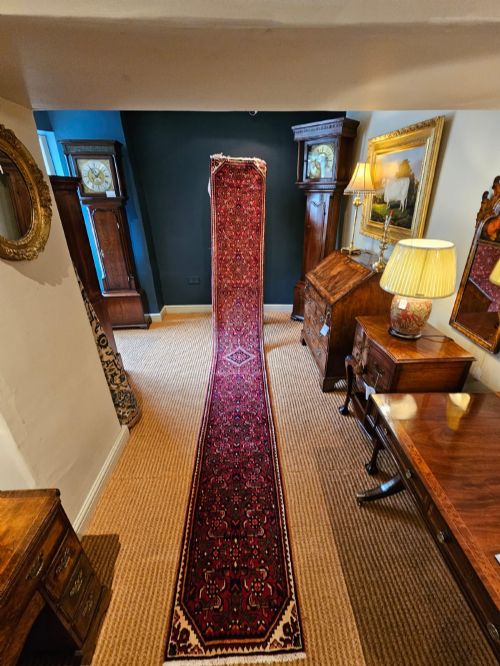
- A long, narrow carpet format designed for hallways, staircases, and galleries. They preserve repeating field patterns scaled to fit confined linear spaces.
- Kelleh
- A large rectangular carpet format longer than it is wide, traditionally used in Middle Eastern domestic interiors. They occupy an intermediate size between standard room carpets and long runners.
- Kazak
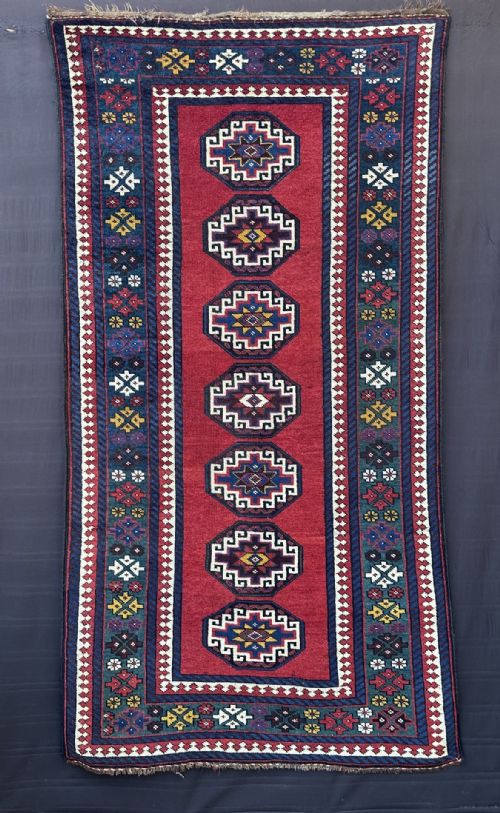
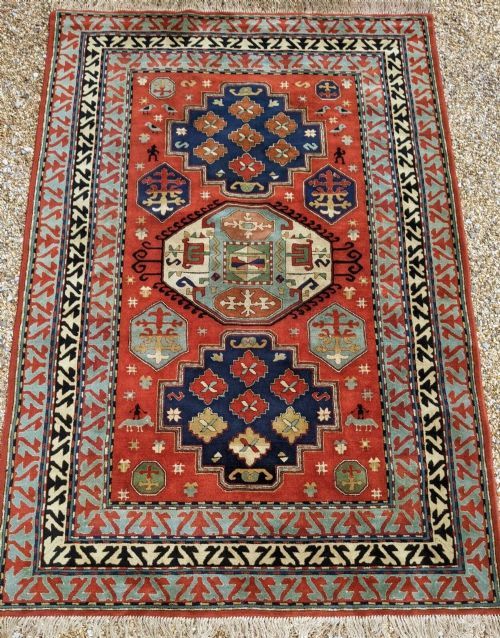
- A style of rug produced by tribal weavers in the Caucasus, distinguished by bold primary colours and sharp geometric forms. The designs frequently incorporate stylised animals, hooks, and octagons.
- Bag face
- The decorative woven front panel of a nomadic storage sack, preserved and mounted as a small collectible rug. These compact textile fragments display concentrated tribal patterns.
Persian Style Rug: Frequently Asked Questions
How do I choose the right size rug for a hallway?
Measure your floor space carefully, leaving a uniform border of exposed wood or tile around the perimeter of the runner. Narrow runner formats are specifically proportioned for these transitional spaces.
Account for door clearance and furniture placement so the textile lies flat without bunching under foot traffic.
What is the difference between a village rug and a city carpet?
Village rugs display geometric designs, spontaneous colour choices, and heavier wool piles woven on domestic looms. City carpets utilise precise cartographic designs prepared by master designers and executed on professional workshop looms.
Both categories fall under the broader umbrella of traditional Persian-inspired weaving.
How should I care for an antique wool carpet?
Vacuum gently using a suction-only attachment without the rotating brush roll to protect the hand-knotted pile. Rotate the textile periodically to ensure even wear from foot traffic and sunlight exposure.
Professional specialist cleaning is recommended for antique wool and cotton foundations when necessary.
How can I tell if a rug is hand-knotted?
Inspect the reverse side of the textile to see the individual knot heads and the underlying grid of the cotton foundation warp and weft threads. Hand-knotted pieces show slight irregularities in the knot pattern and fringe that stems directly from the warp threads.
Machine-made copies display uniform backing structures without individual hand-tied knots.