
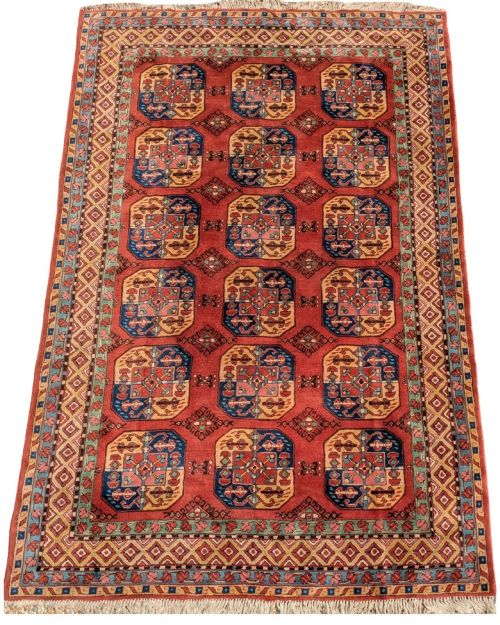
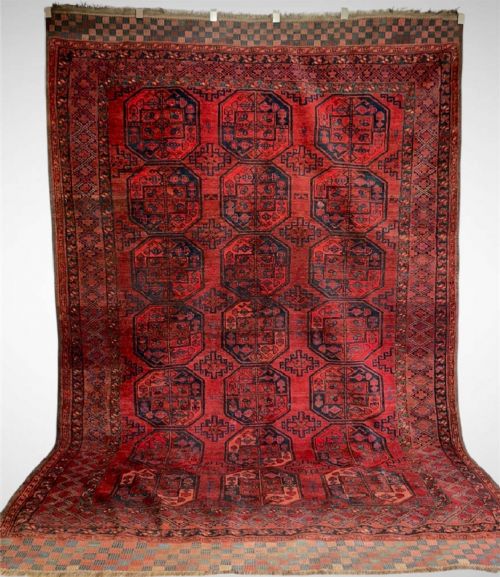


Afghan Ersari Carpet
These antique textiles deliver deep red tones and tribal layouts, bringing authentic Central Asian craft into modern rooms.
Afghan Ersari Carpet
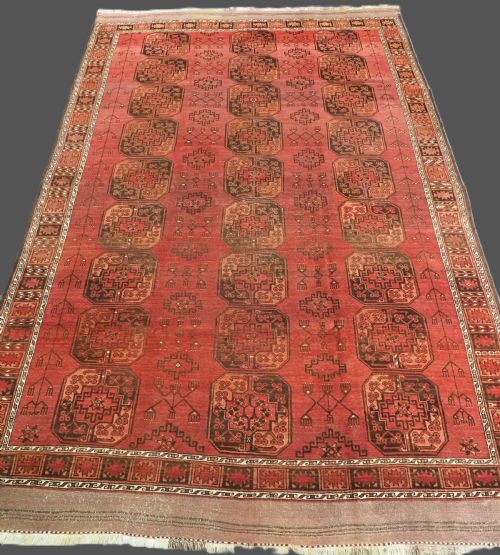
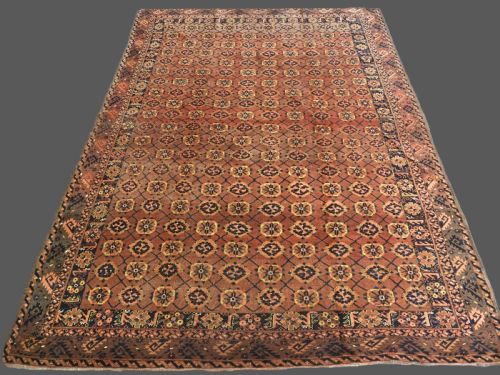
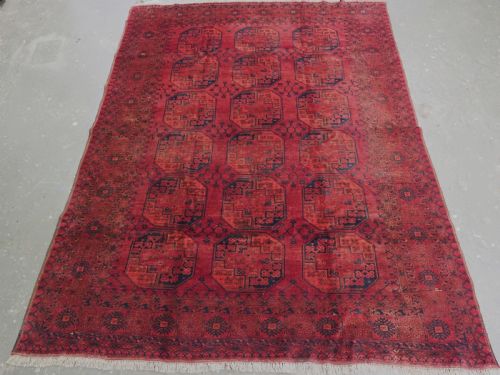
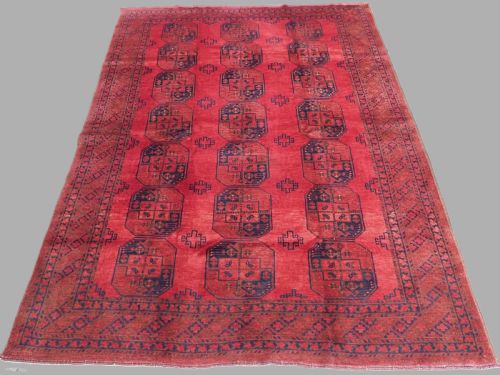
When searching for an afghan ersari carpet, collectors encounter tribal floor coverings woven by Turkmen groups originating in northern Afghanistan. These pieces typically manifest as large main carpets or smaller village rugs displaying traditional motifs.
The specimens available span from the late nineteenth century into the early decades of the twentieth century. Common formats include substantial room-sized carpets alongside smaller formats like prayer rugs and chuvals.
Most examples display classic tribal patterns rooted in Central Asian heritage, often structured around repeated geometric guls. Buyers frequently encounter warm red, deep madder, and rich brown colour palettes across these historical room furnishings.
How They Were Made
Weavers constructed these textiles using hand-spun wool for the pile, yielding a soft and glossy texture underfoot. Artisans frequently utilised natural dyes to achieve deep red, plum, and warm brown shades that mellow gracefully over time.
Foundation structures occasionally incorporate goat hair or horsehair alongside wool to provide durability. This traditional construction method produced heavy-duty, hard-wearing rugs suited for sustained daily use.
Afghan Ersari Carpet Retail Price Guide 2026
Typical asking prices for afghan ersari carpet among the pieces listed under this phrase on Sellingantiques today, from the lower quarter to the upper quarter. They describe what is for sale here now, not the wider market.
Certain early specimens include hidden goat hair or horsehair strands woven directly into the foundation for extra resilience.
What Varies In Quality
The brilliance and depth of the natural dyes separate standard village pieces from exceptional examples. Superior wool quality contributes a distinctive soft lustre and tactile richness that elevates the visual impact of the pattern.
Structural integrity and preservation state also influence the standing of an individual textile. Pieces retaining crisp geometric definition and original dimensions command greater appreciation among collectors.
The Afghan Ersari Carpet Glossary
- Gul
- A primary medallion or repeating octagonal motif characteristic of Turkmen carpet design. These prominent geometric shapes form the visual backbone of traditional tribal layouts.
- Chuval
- A large storage bag face woven by tribal nomads for household use. These pieces often feature specialised guls and condensed proportions compared to main floor carpets.
- Kelleh
- A long, narrow format of carpet traditionally produced for specific room dimensions. These elongated formats share the classic design vocabulary of standard main carpets.
- Beshir
- A sub-style associated with Turkmen weaving known for distinct architectural elements and varied floral influences. These rugs expand beyond strictly geometric layouts.
- Madder
- A natural dye plant root utilised to produce rich red and rose colourways in antique textiles. This dye yields the characteristic warmth found across historical examples.
Afghan Ersari Carpet: Frequently Asked Questions
Where were these carpets made?
These textiles were woven by Turkmen tribes residing in northern Afghanistan during the nineteenth and early twentieth centuries. Local weavers produced them in village settings using traditional nomadic methods passed down through generations.
Production centred on regional communities that maintained distinct design traditions, resulting in recognisable tribal patterns and colour palettes.
How do I clean an antique rug?
Gentle surface cleaning and regular light vacuuming without a rotating brush help maintain the wool pile safely. Professional specialist cleaning remains essential for addressing deeper soil without damaging natural dyes.
Avoid harsh chemical treatments and excessive water exposure, which can compromise the hand-spun wool foundation and historical dyes.
What size do main carpets come in?
Main carpets typically measure in large room sizes, accommodating substantial floor areas in traditional homes. Dimensions vary from medium room formats up to exceptionally large country house proportions.
Smaller variants like village rugs and prayer rugs provide alternative options for more compact interior spaces.
How do I identify an Ersari piece?
Ersari textiles are distinguished by specific tribal guls, often featuring octagonal or diamond-shaped medallions arranged across a deep red field. The overall aesthetic leans toward bold geometric structure rather than intricate floral curves.
Examining the weave density, wool quality, and secondary colours helps confirm tribal attribution.