



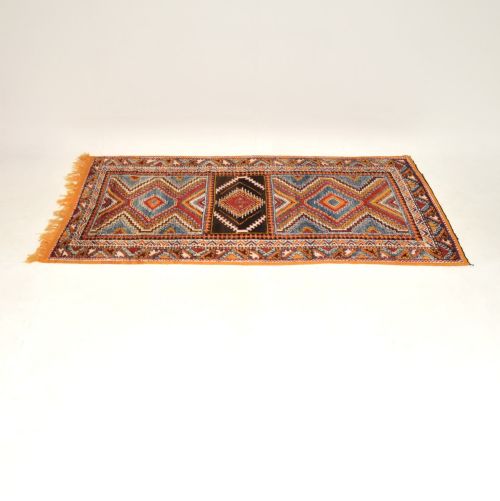
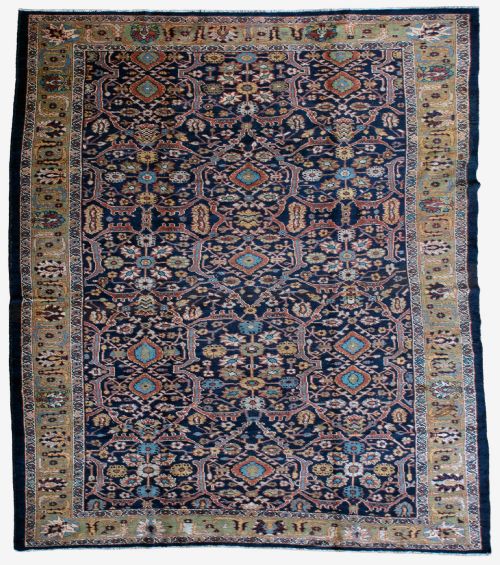
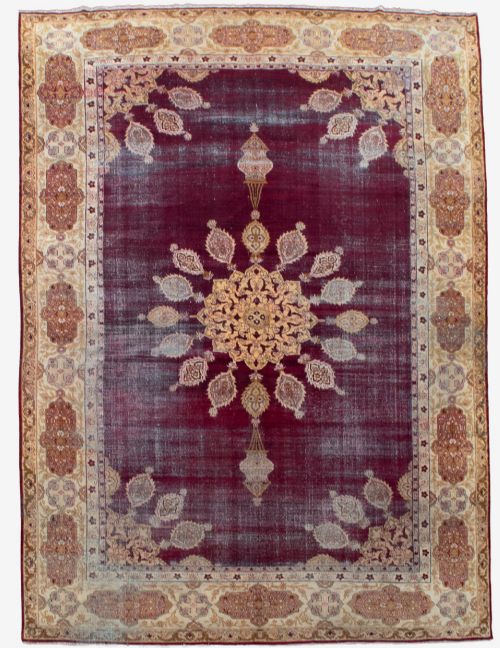
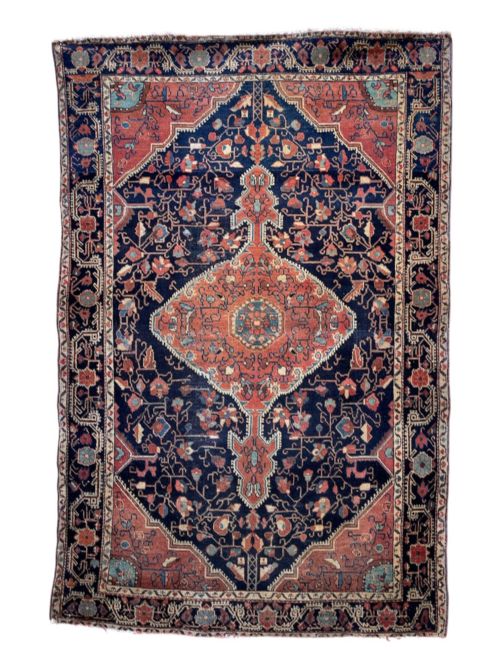
Oriental Wool Floor Rug
An oriental wool floor rug brings warmth and deep pattern to a room, grounding your furniture with decades or centuries of craft.
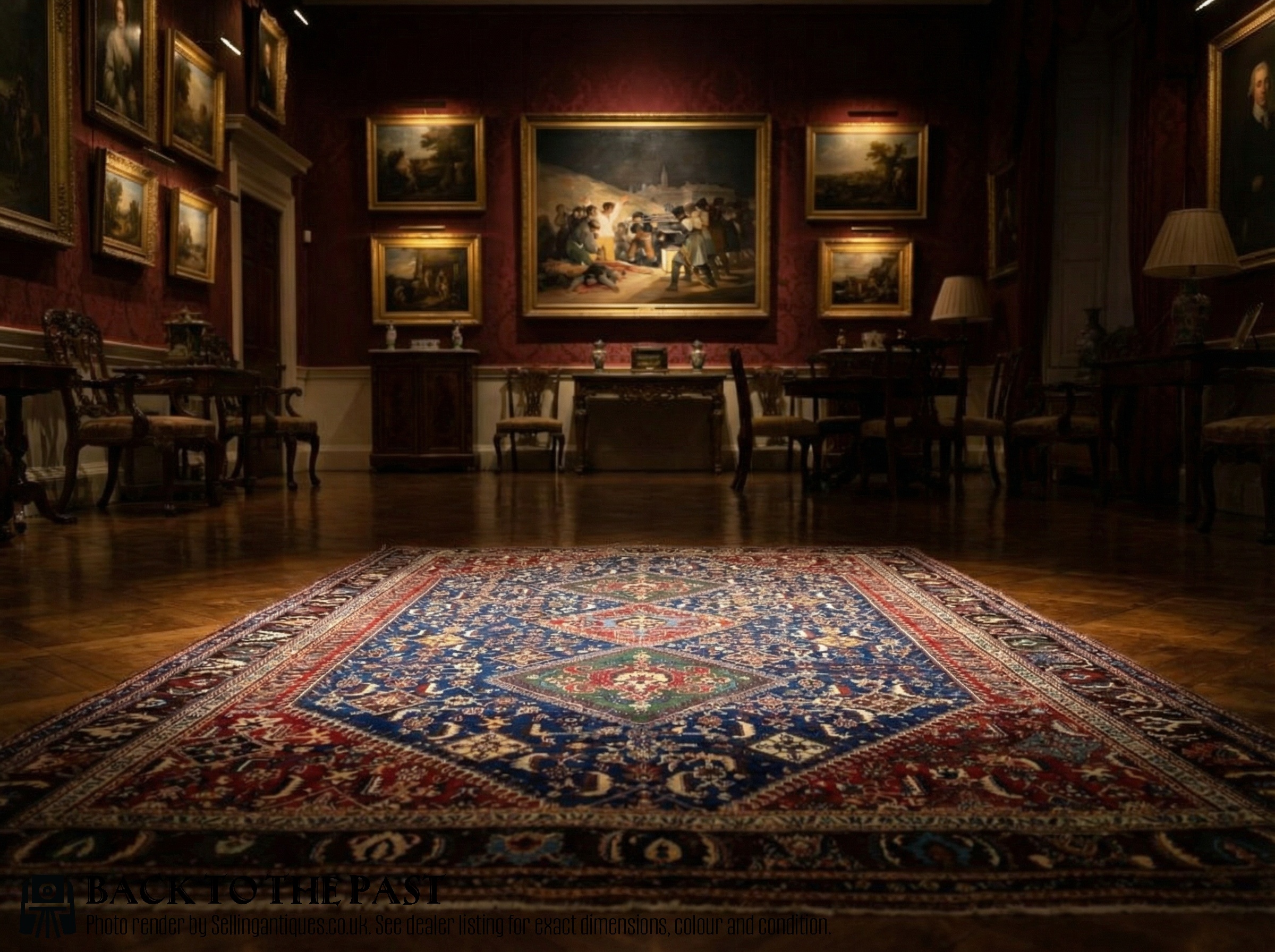
Oriental Wool Floor Rug
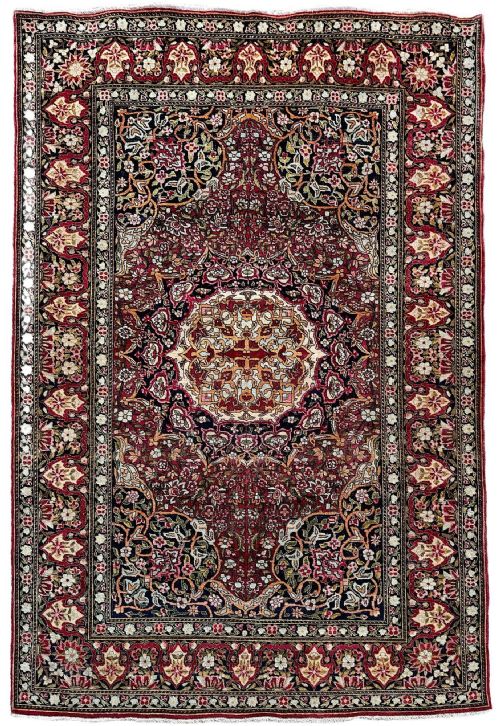
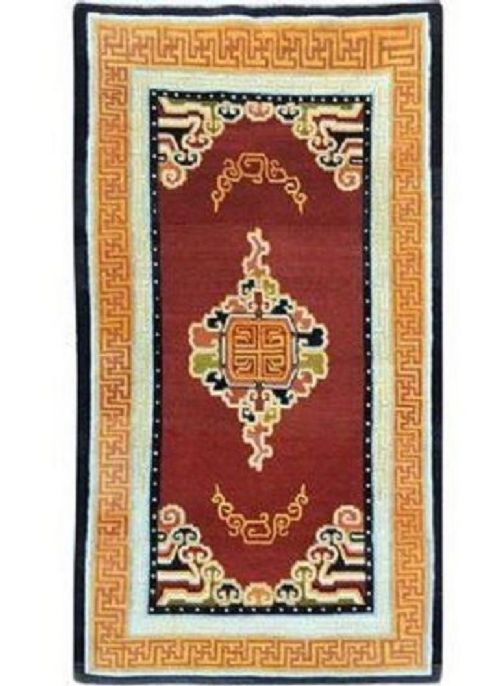
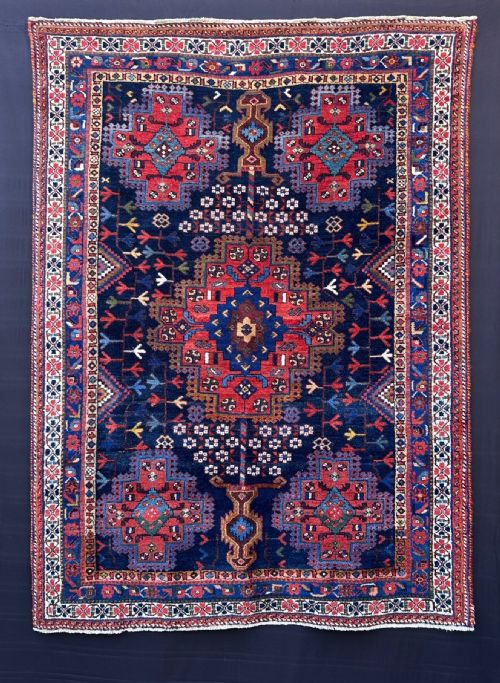
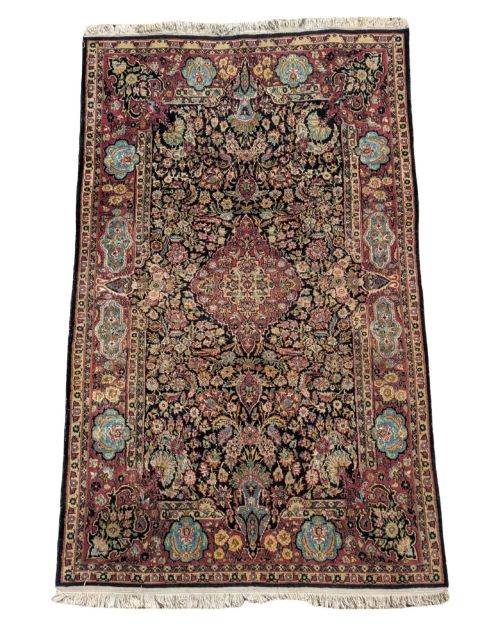
An oriental wool floor rug gathers woven textiles spanning Persian, Caucasian, Turkmen tribal, and Ottoman traditions, ranging from room-sized carpets down to hearth-sized runners. When exploring this selection, buyers encounter village pieces and large town carpets created across the nineteenth and early twentieth centuries.
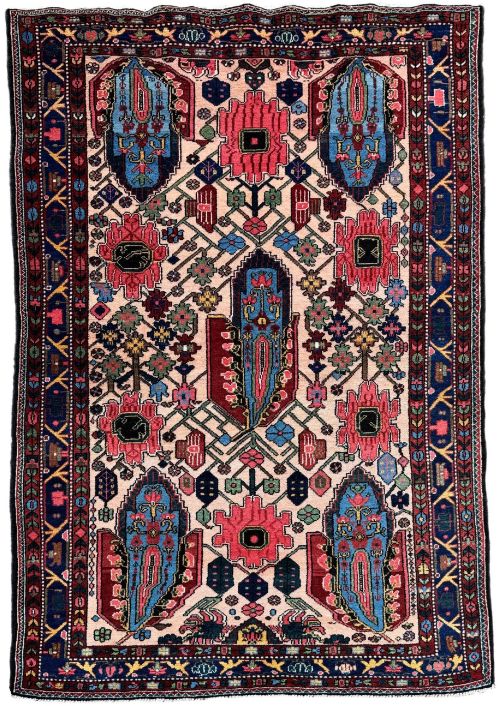
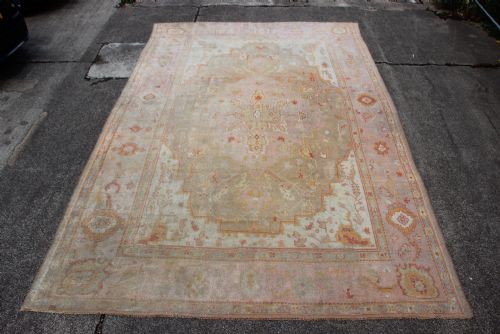
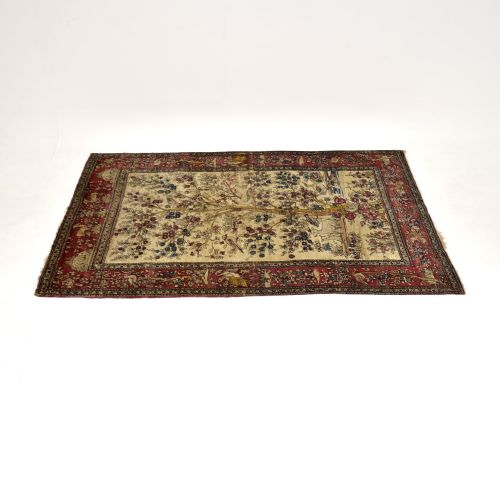
The prevalent versions met on this page include room-sized Persian carpets from centres such as Heriz, Mahal, and Oushak alongside tribal village pieces produced by Kurdish, Afshar, and Baluch weavers. These rugs serve as functional floor coverings that carry traditional motifs, geometric medallions, and complex floral lattice designs.
Makers produced these textiles for domestic use or regional trade, utilising durable pile wool on cotton or wool foundations. Each piece reflects the specific weaving conventions and colour palettes of its originating region, from central Persian workshops to remote Afghan and Turkmen villages.
Materials and Construction
Weavers constructed these carpets predominantly from sheep wool, utilising natural dyes alongside cotton foundations for structural strength. Certain pieces incorporate silk highlights to accentuate specific details within the design.
Traditional hand-knotting techniques secure the wool pile to warps and wefts, creating dense floor coverings capable of withstanding heavy daily use. The application of natural dyestuffs produces rich reds, blues, and earth tones that mellow gradually over time.
Oriental Wool Floor Rug Retail Price Guide 2026
Typical asking prices for oriental wool floor rug among the pieces listed under this phrase on Sellingantiques today, from the lower quarter to the upper quarter. They describe what is for sale here now, not the wider market.
Step carefully across the floor; a stray Turkmen gul might just lead you straight to Central Asia.
Distinctions in Quality
Knot density and structural integrity separate fine town carpets from coarse village productions, influencing both the crispness of the pattern and the resilience of the pile. Finer examples display precise geometric or curvilinear draftsmanship executed with tightly packed knots.
The depth and nuance of the dye palette contribute significantly to a piece's standing, as natural dyes yield complex tonal variations absent in synthetic alternatives. Furthermore, the preservation of original borders and balanced proportions determine the visual coherence of the rug.
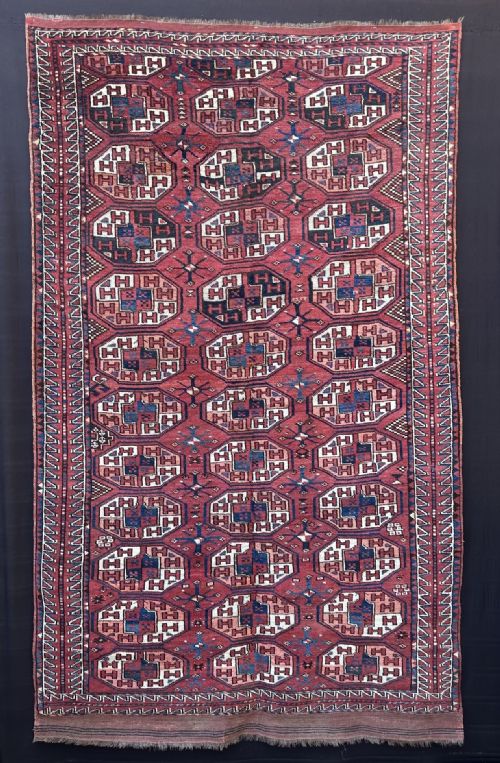
Kizyl Ayak Tribe·Ersari Beshir Turkmen
The Oriental Wool Floor Rug Glossary
- Pile
- The upright yarn loops that form the functional surface of the carpet. This layer absorbs foot traffic and displays the woven design.
- Warp
- The stationary vertical threads stretched upon the loom before weaving commences. Wefts are interwoven across these threads to secure the knots.
- Weft
- The horizontal strands passed alternately over and under warp threads between rows of knots. They bind the structure together firmly.
- Gul
- A medallion motif repeated across Turkmen and Baluch tribal carpets. These octagonal or polygonal symbols often denote specific tribal origins.
- Kelleh
- A long, format carpet traditionally positioned alongside larger room carpets in Persian interiors. This narrower shape suits hallways and extended spaces.
Oriental Wool Floor Rug: Frequently Asked Questions
How do I clean an antique wool rug?
Regular gentle vacuuming without a rotating brush roll removes surface grit and prevents fibre damage.
Professional specialist washing remains essential for deep cleaning to protect natural dyes and wool foundations.
Can these rugs withstand heavy foot traffic?
Traditional wool pile construction and sturdy cotton foundations provide natural resilience for everyday household use.
Placing a quality rug underlay beneath the textile reduces friction and prevents slipping on hard floors.
How do I identify a tribal rug?
Tribal pieces display geometric motifs, repeating guls, and asymmetrical designs woven by nomadic or village communities.
These rugs often feature heavier wools and warmer red colour palettes compared to formal city workshops.
What is a runner rug used for?
Narrow runner formats suit hallways, corridors, and narrow passageways where standard room sizes do not fit.
They protect high-traffic walking areas while introducing traditional patterns and colour to transitional spaces.