


Handspun Wool Rug
These handspun wool rug pieces range from Anatolian tribal weaves to Central Asian nomadic work, offering deep texture and rich traditional colour.
Handspun Wool Rug
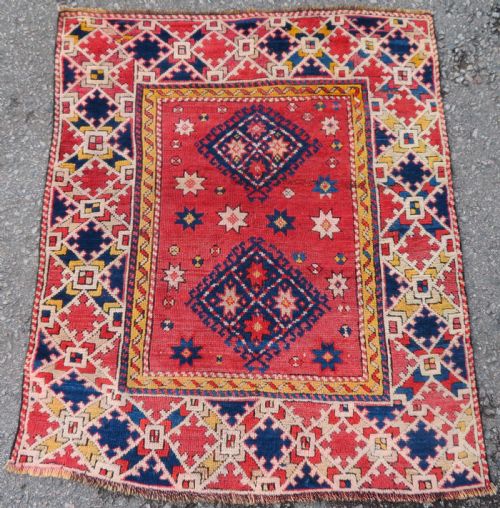
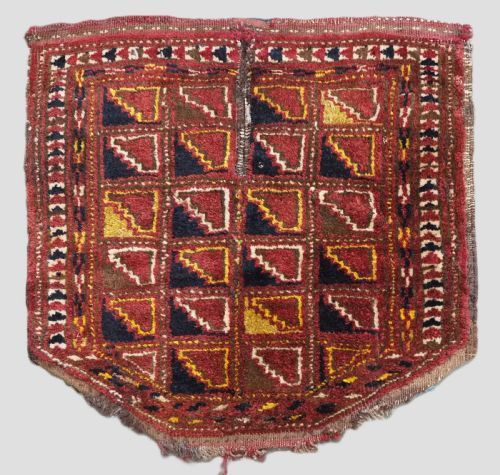
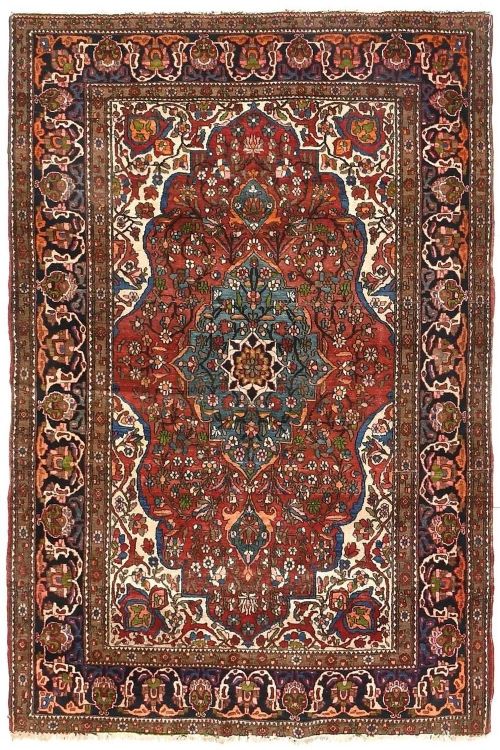
A handspun wool rug represents centuries of nomadic and village textile tradition across Anatolia, Persia, and Central Asia. When you search for a handspun wool rug, you encounter pieces that were woven by hand for utility, ritual, or household adornment rather than mass production. The most common examples on this page span the late nineteenth century through to the early decades of the twentieth century, taking forms such as village rugs, saddle covers, bag faces, and kelims.
These floor and wall textiles draw on distinct regional styles including Baluch, Ersari Turkmen, Kurdish, and Caucasian tribal designs. Each piece reveals the distinct visual language of its maker, often employing geometric motifs, central medallions, or shrub designs. Their character lies in the slight irregularities of hand-weaving and the depth of natural dyes.
Materials and construction
The construction of these textiles relies primarily on handspun wool, paired occasionally with cotton foundations for stability and strength. Weavers utilised natural dyes to achieve rich, saturated tones that age gracefully over decades. The spinning process leaves subtle variations in the thickness of the yarn, which absorbs dye unevenly and creates a mottled, vibrant surface texture.
Weaving techniques vary by region, encompassing pile knots tied on vertical or horizontal looms alongside flatwoven kelim structures. Nomadic groups often utilised sturdy wool for both warp and weft to ensure durability during transit and daily use inside tents or village dwellings.
Current listings feature materials including wool, cotton, and natural dyes across periods spanning the nineteenth and early twentieth centuries.
Factors of quality
Quality in these textiles depends heavily on the fineness of the spin and the purity of the wool used for the pile. Tighter knotting and precise geometric execution separate master village weavers from simpler utilitarian work. The vitality of the natural dye palette also dictates distinction, as well-preserved colour and skilled mordant use yield greater visual depth.
Condition and completeness remain central to the evaluation of older nomadic pieces, particularly when edges, borders, and foundational warps survive intact. The integrity of the original design layout, combined with the balanced proportion of the field, distinguishes finer examples within any regional group.
The Handspun Wool Rug Glossary
- Warp
- The vertical threads stretched on a loom before weaving begins. These foundational threads form the structural skeleton of the rug.
- Weft
- The horizontal threads passed alternately over and under the warp threads. They lock the knots or flatweave rows firmly in place.
- Natural dye
- Colourants derived from plants, insects, and minerals rather than synthetic chemical compounds. These dyes produce harmonious, ageing palettes.
- Kelim
- A flatwoven textile produced without a raised pile. This technique creates a lightweight, reversible fabric often used for covers and bags.
- Field
- The central enclosed area of a rug surrounded by borders. It usually contains the primary motifs or medallions of the design.
Handspun Wool Rug: Frequently Asked Questions
How do I clean an old wool rug?
Maintenance for these textiles requires gentle care to protect natural wool fibres and traditional dyes.
Regular light vacuuming without a rotating brush bar prevents dust accumulation, while professional specialist cleaning handles deeper restoration.
Can these rugs be used on the floor?
Many of these pieces served practical domestic roles on floors and tent surfaces.
Placing an appropriate rug underlay beneath them prevents slipping and reduces wear from daily foot traffic.
How are different regional styles identified?
Identification relies on observing specific structural traits, knot types, and characteristic colour palettes.
Motifs such as tribal guls, shrub patterns, and geometric borders often point directly to particular nomadic groups or weaving centres.
What causes colour variation in the wool?
Handspun wool takes up natural dye baths with subtle inconsistencies across individual strands.
This phenomenon, known as abrash, produces organic tonal shifts that add visual movement and authenticity to the surface.