



Anatolian Tribal Weaving
These pieces of anatolian tribal weaving bring centuries of village craftsmanship into modern rooms.
Anatolian Tribal Weaving
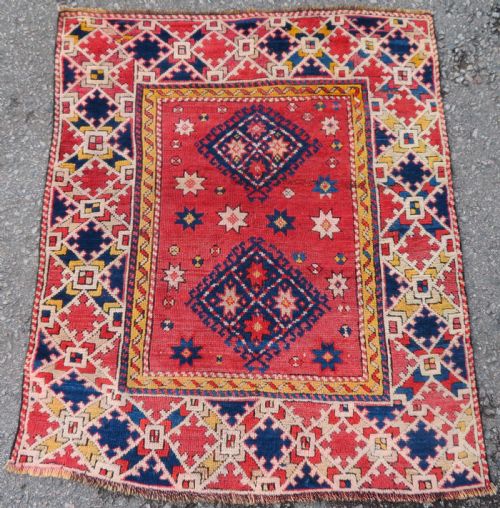
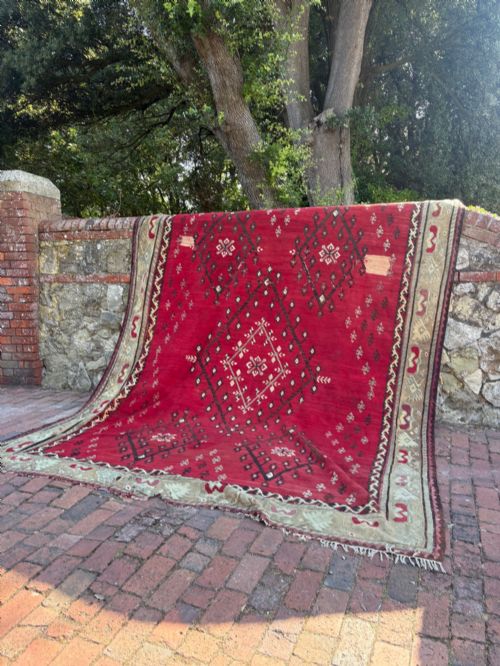
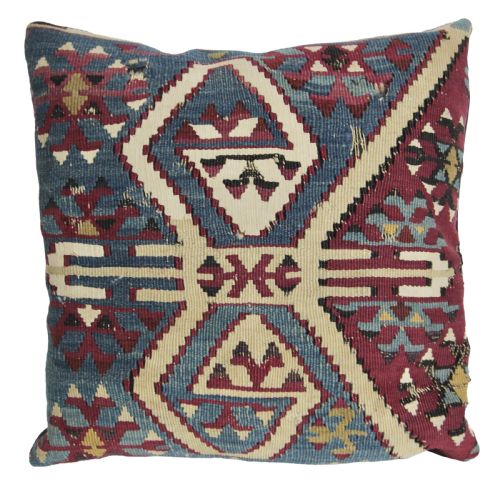
When you search for anatolian tribal weaving, you encounter hand-knotted rugs, flatweave kilims, runners, and decorative cushions originating from various regions of Turkey. The selection here spans the nineteenth and early twentieth centuries, featuring distinct village and tribal aesthetics.
You are most likely to meet pieces attributed to historical centres such as Bergama, Konya, and Kirsehir. These items range from compact prayer rugs to large carpets and domestic furnishings like saddlebags and throw cushions.
The objects reflect the specific weaving traditions of communities including Kurdish and Yuruk groups. Each item carries the traditional motifs and structural layouts handed down through generations of makers.
Materials and Construction
The primary structural material across these pieces is wool, often specified as hand-spun wool, combined with cotton foundations in certain examples. Artisans utilised supplementary materials such as leather, silver, gilded metal, and carnelian on specific items like bags and cushions.
Weaving techniques include pile knots for dense carpets and flatweave methods for kilims and embroidered panels. Dyes and wool preparations create the characteristic surface textures seen throughout the inventory.
Several cushions incorporate traditional carnelian stones into their textile designs.
Assessing the Pieces
Quality in anatolian tribal weaving rests on the integrity of the wool, the clarity of the design geometry, and the retention of original borders. Pieces with tightly packed knots and well-preserved structural foundations stand apart from those showing heavy structural loss.
The handling of natural dyes and the crispness of tribal motifs influence the visual impact of each rug or flatweave. Preserved finishes and minimal later intervention distinguish the best examples.
The Anatolian Tribal Weaving Glossary
- Kilim
- A flatweave textile produced without a pile by tightly interweaving warp and weft threads. These function as rugs, wall hangings, and cushion covers.
- Prayer Rug
- A smaller rug featuring a mihrab or niche design intended to indicate direction during daily observance. These often display focused central medallions.
- Cicim
- A supplementary-weft technique where decorative patterns are embroidered onto a woven ground during or after the main construction. This method creates raised surface textures.
- Yastic
- A small traditional Turkish cushion or bolster face often utilised as a compact rug format. These pieces display concentrated village designs.
- Warp
- The stationary vertical threads stretched on a loom that form the structural foundation of the textile. Wefts and knots are worked across these parallel lines.
Anatolian Tribal Weaving: Frequently Asked Questions
What is anatolian tribal weaving?
Anatolian tribal weaving encompasses handmade rugs, flatweaves, and cushions produced by village and nomadic communities in Turkey. These textiles utilise traditional geometric motifs and local wool materials.
The items date primarily from the nineteenth and early twentieth centuries, reflecting distinct regional styles from areas such as Bergama, Konya, and Kirsehir.
How were these rugs used?
Historic households utilised these textiles as floor coverings, blankets, prayer mats, and animal trappings. Smaller formats served as cushions, bags, and wall decorations.
Today, collectors place them as floor rugs or mount them as textiles to preserve their historical structures.
How do I care for an antique rug?
Protect antique wool textiles by placing them in low-traffic areas and using appropriate underlays to prevent slipping. Gentle vacuuming without a rotating brush maintains the surface.
Keep the pieces away from direct sunlight to protect the natural dyes from fading over time.
How are different regional styles told apart?
Regional attribution relies on specific colour palettes, border arrangements, and knotting structures unique to weaving centres like Kirsehir or Bergama. Village pieces often feature bold, idiosyncratic geometric medallions.
Examining the materials, such as hand-spun wool and cotton foundations, helps contextualise the origin of each piece.