



Tribal Bread Mat
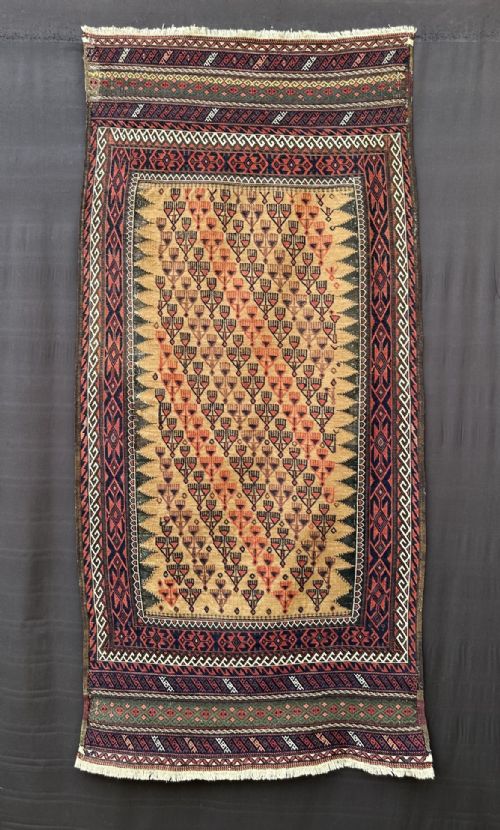
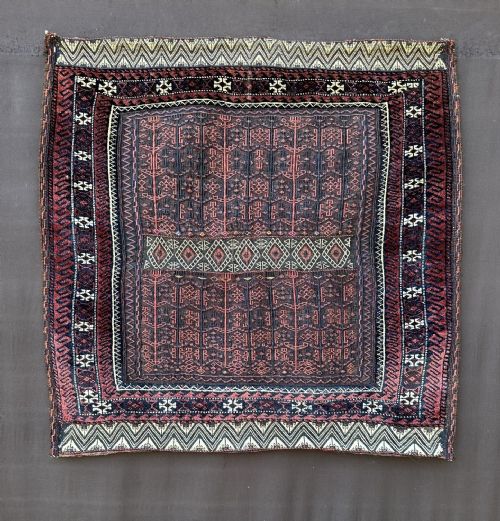
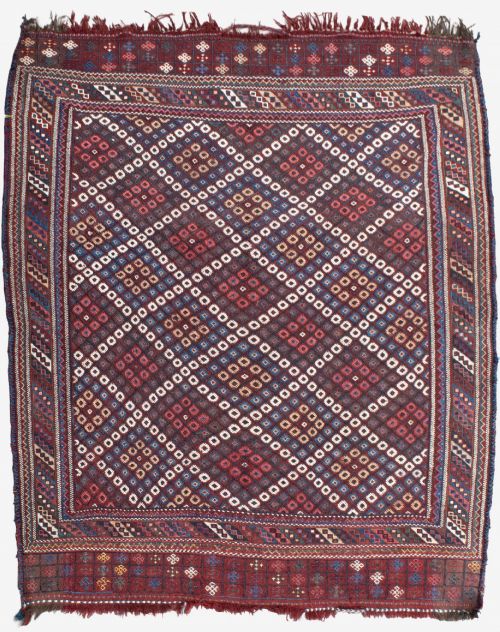
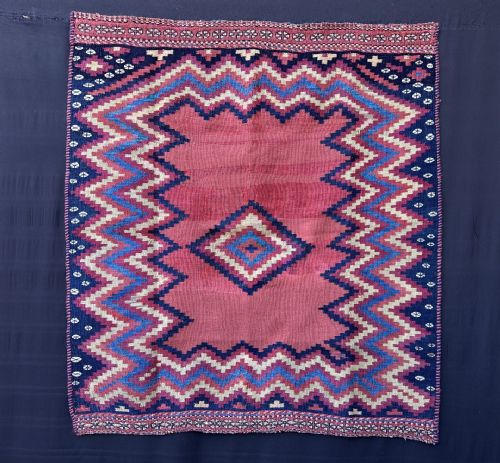
These tribal bread mats are woven floor spreads created by nomadic groups for serving meals, valued for their geometric designs and cultural history.
Tribal Bread Mat
When you search for a tribal bread mat, you encounter antique Sofreh textiles created by nomadic and tribal groups across Persia and Afghanistan. These flatweave kilims and rugs served a practical domestic purpose in communal dining, functioning as a cloth upon which bread and food were placed.
You are most likely to meet pieces originating from the Afshar nomads of Kerman province, alongside examples attributed to the Timuri, Lor, and Djhan Beghi tribes. The forms range from simple flatweave rugs to specific dining sofreh, dating from the late nineteenth century into the early decades of the twentieth century.
How they were made
These textiles rely principally on wool and cotton foundations, frequently incorporating camel hair for natural tones. Weavers utilised traditional flatweave techniques to construct durable, pileless structures suitable for daily nomadic use.
Colour comes from natural dyes, producing the earthy palettes characteristic of Persian and Afghan tribal work. The combination of these organic wool and cotton fibres with hand-spun yarns defines the physical structure of each piece.
These humble dining cloths double as durable floor covers that survived decades of nomadic meals.
What varies in quality
The standard of a weave depends upon the tightness of the flatweave and the precision of the geometric layout. Finer examples display greater control over the intricate border systems and central fields.
The depth of the natural dye palette and the complexity of the tribal attribution also distinguish individual pieces. Softer, more nuanced coloration and better-preserved structural integrity elevate specific examples above standard utility work.
The Tribal Bread Mat Glossary
- Sofreh
- A woven spread or cloth used traditionally for dining or food preparation in Persian and Afghan households.
- Kilim
- A flatwoven textile produced without a pile, common throughout the Middle East and Central Asia.
- Flatweave
- A weave structure created by interweaving warp and weft threads directly without knotting pile yarn.
- Natural Dyes
- Colourants derived from plants, roots, and minerals rather than synthetic chemical processes.
Tribal Bread Mat: Frequently Asked Questions
What is a tribal bread mat?
A tribal bread mat is a traditional flatweave textile, often called a sofreh, used by nomadic communities in Persia and Afghanistan to serve meals.
These woven spreads functioned as clean surfaces for laying out bread and food during communal dining.
How were these textiles used?
Nomadic families laid them directly on the ground inside tents or dwellings to keep food clean during meals.
After dining, they were folded or rolled away, serving a strictly functional role within daily tribal life.
What materials are used?
Most pieces combine wool and cotton foundations with natural dyes applied to hand-spun yarns.
Some examples also incorporate camel hair to achieve specific earthy tones without dyeing.
How do I identify different tribes?
Attributions rely on specific geometric layouts, border motifs, and regional weaving characteristics linked to groups like the Afshar or Timuri.
Different geographic areas produced distinct colour palettes and structural patterns.