






Kerman Tribal Weaving
These kerman tribal weaving pieces are tactile wool textiles made by nomadic groups in South Persia, prized for their rich natural dyes and authentic tribal patterns.
Kerman Tribal Weaving
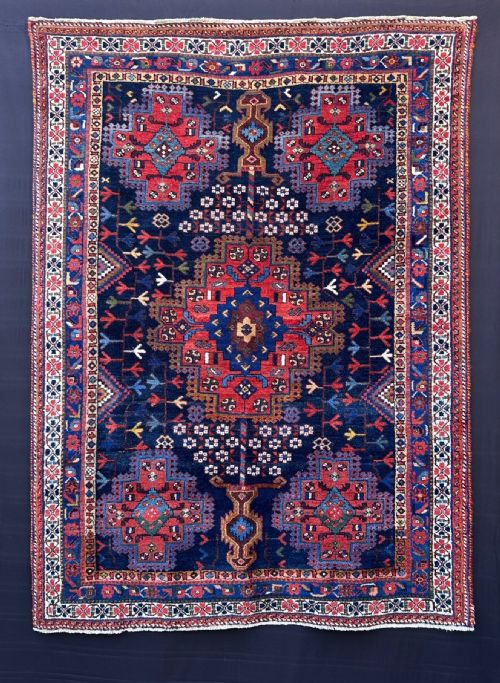
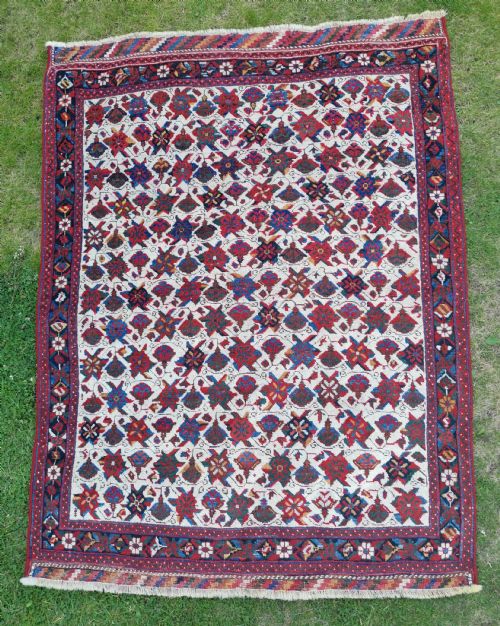
When you search for kerman tribal weaving, you encounter utilitarian and decorative textiles originating from the nomadic tribes of the Kerman Province in South Persia. These pieces include floor coverings such as rugs and flatweave rugs alongside smaller utility items created for daily tribal life. The examples span several decades from the mid nineteenth century through the early twentieth century, reflecting a distinct regional heritage.
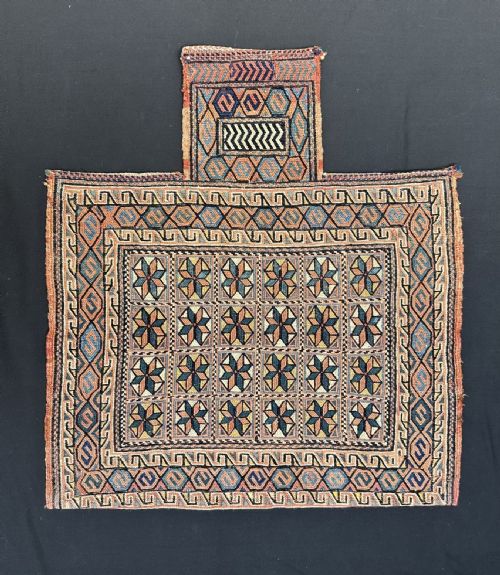
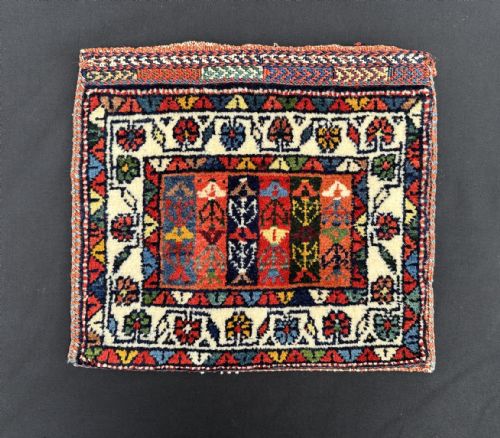
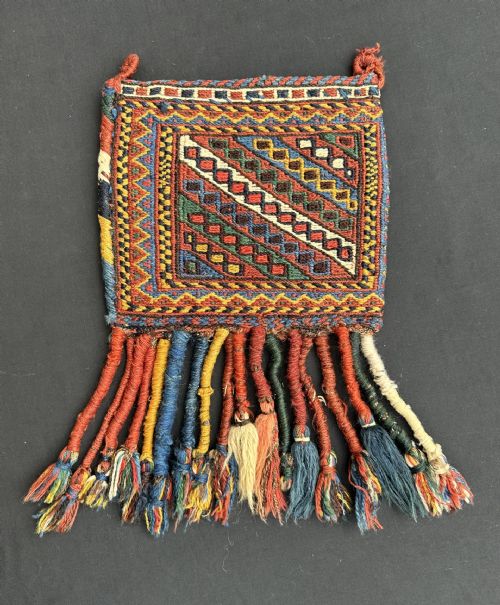
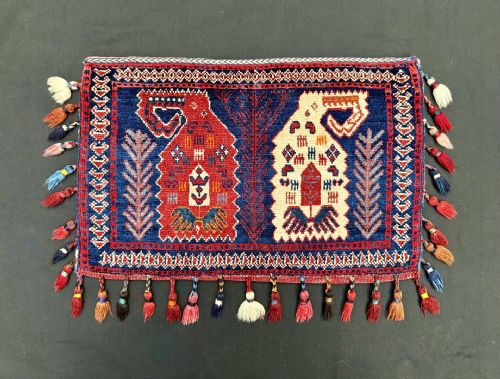
The most common forms on this page are small functional pieces such as vanity bags, salt bags, tobacco and pipe bags, and bread sofreh cloths. Full-sized rugs and saddle-bag faces also appear from regional groups like the Afshar nomads and specific locales including Bardsir, Neiriz, and the Jebal Barez mountains. Each piece demonstrates the traditional output of Persian tribal and South Persian tribal makers working within established regional formats.
Materials and Technique
These textiles rely on wool for the pile and face structures, combined with cotton foundations that provide stability to the weave. Natural dyes supply the palette across the rugs and bags, producing deep tones derived from local plant and mineral sources. Certain storage pieces also incorporate cowrie shells as decorative embellishments along the borders.
The construction methods encompass pile weaving for rugs alongside flatweave techniques for sofreh cloths and soumak structures. Artisans produced these items on portable vertical and horizontal looms set up in nomadic camps across the Kerman Province. The tight knotting and precise geometric layout reflect generations of transmitted weaving knowledge among the tribes.
Some nineteenth-century tribal bags still carry stray desert sand tucked deep within their flatweave folds.
What Separates Fine Pieces
Quality in these textiles rests upon the density of the knotting and the crispness of the geometric design. Finer pieces demonstrate precise execution in miniature formats like chanteh bags, where intricate patterns require exceptional control. The handling of the wool also distinguishes superior items through a supple handle and resilient pile.
Colour saturation and the complexity of the natural dye palette define the visual upper tier. Pieces that retain varied, luminous dye batches without muddy transitions display greater artistry by the weaver. Additionally, the survival of original borders and structural integrity elevates the standing of older items.
The Kerman Tribal Weaving Glossary
- Sofreh
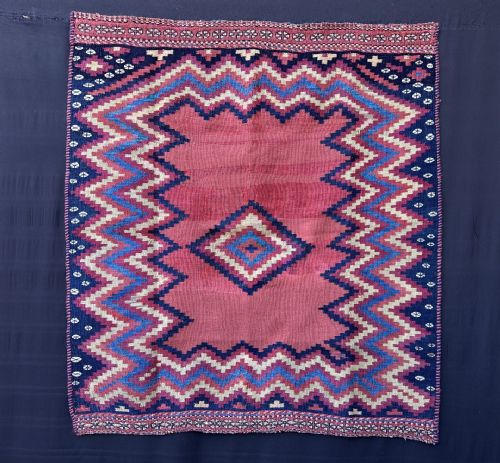
- A flatwoven cloth used for spreading meals or kneading bread within nomadic households. These textiles often feature bold field patterns suited for dining and food preparation.
- Chanteh
- A small personal bag or vanity pouch woven by tribal makers for carrying small belongings. They showcase dense geometric designs executed in miniature scale.
- Soumak
- A brocade-like flatweaving technique where decorative face yarns wrap over the warp threads before passing back. This method produces a textured surface without a cut pile.
- Natural Dyes
- Colourants extracted from plants, insects, and minerals rather than synthetic compounds. They yield harmonious tones that age with a soft patina.
- Cowrie Shells
- Marine shells sewn onto tribal textiles as protective amulets and decorative fringe elements. They appear frequently on utilitarian bags from South Persia.
Kerman Tribal Weaving: Frequently Asked Questions
What is a bread sofreh?
A bread sofreh is a flatwoven cloth traditionally used by nomadic groups for food preparation, serving, and wrapping bread.
These textiles were laid on the ground during meals, requiring durable flatweave construction to withstand daily use.
How do I care for an antique tribal bag?
Antique tribal bags require gentle maintenance such as regular light vacuuming without a rotating brush.
Keep them away from direct sunlight to protect the natural dyes and avoid humid environments to preserve the wool and cotton fibres.
Where were these textiles made?
These pieces originate from the Kerman Province in South Persia, created by regional groups such as the Afshar nomads.
Specific sub-regions include Neiriz, Bardsir, and the Jebal Barez mountains where local tribes maintained distinct weaving traditions.
What is a chanteh?
A chanteh is a small personal storage pouch or vanity bag made by tribal artisans for individual use.
Despite their compact size, these pieces often exhibit the same careful geometric ornamentation found on larger rugs.