



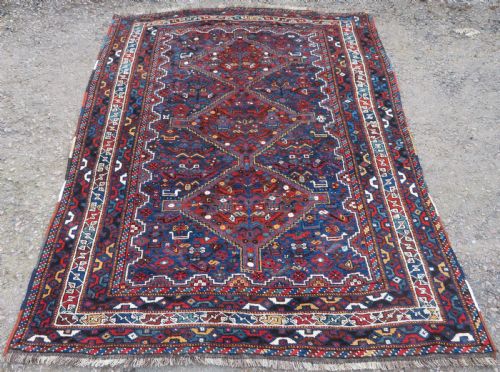
Indigo Wool Area Rug
An indigo wool area rug brings depth and texture to a room, grounding the floor with rich tones rooted in traditional weaving.
Indigo Wool Area Rug
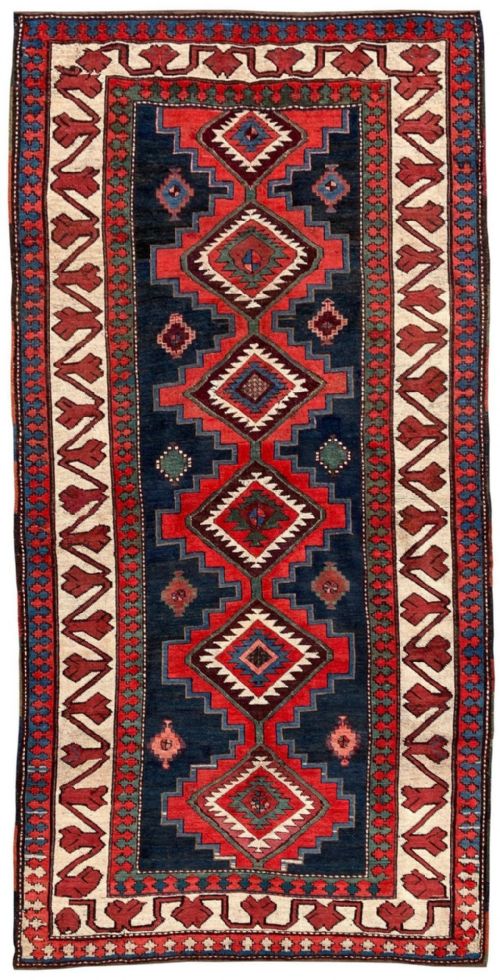
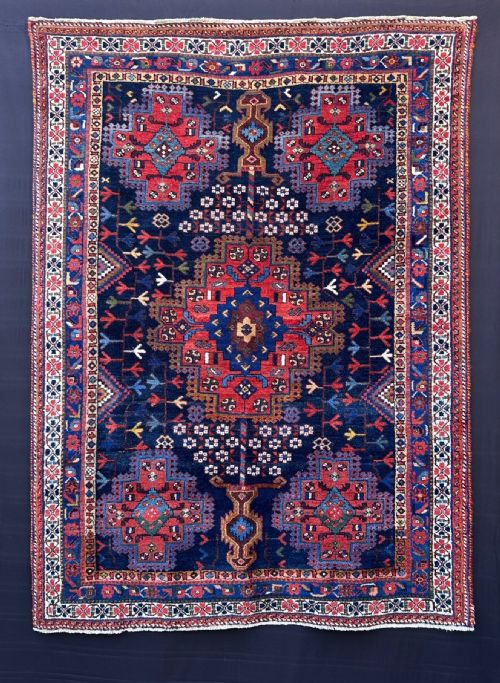
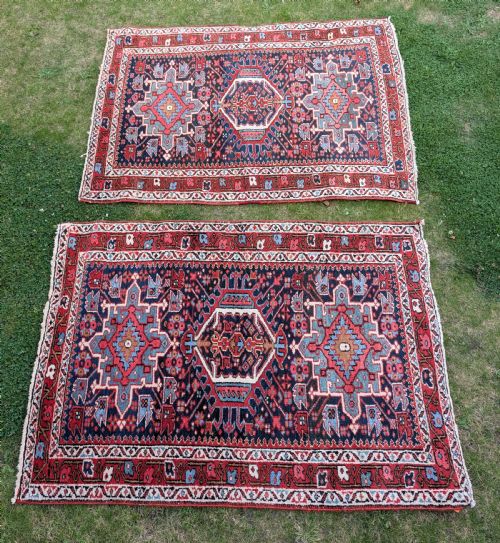
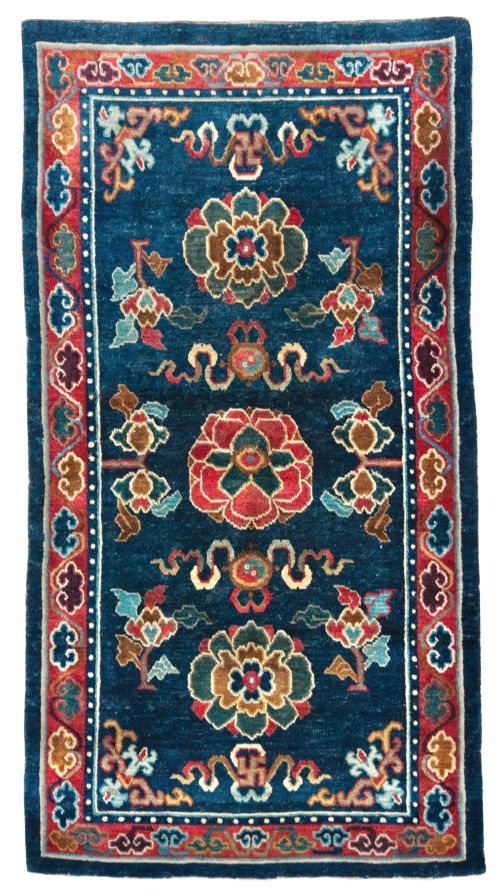
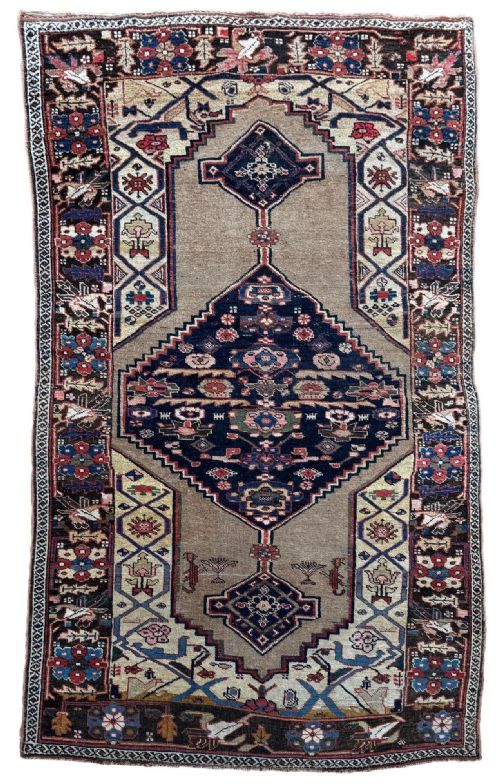
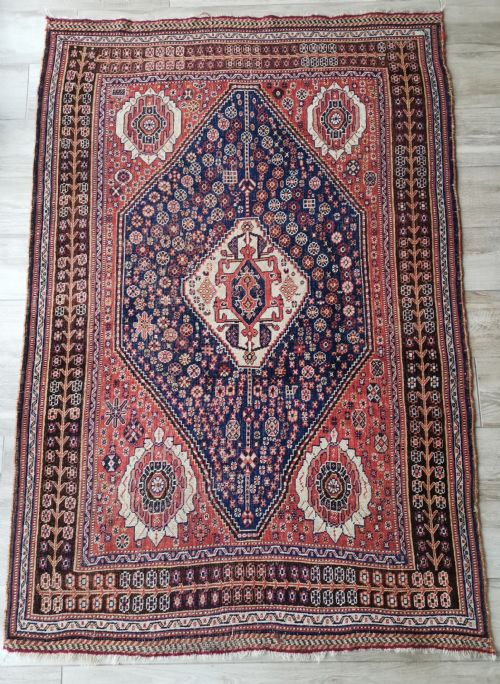
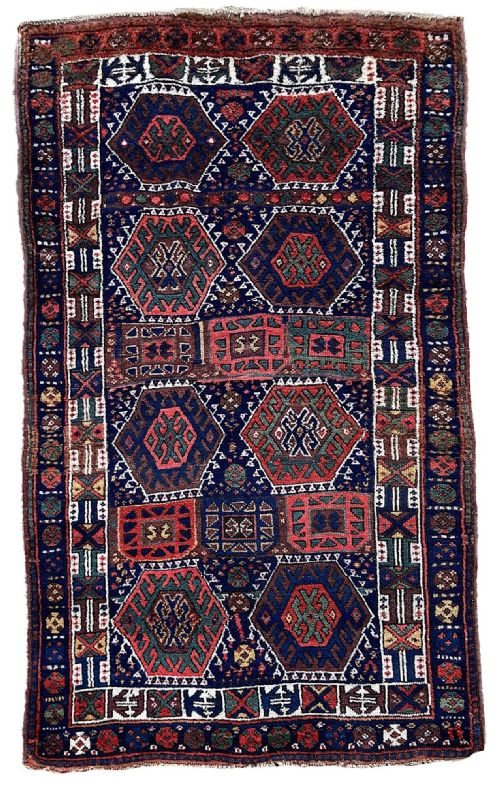
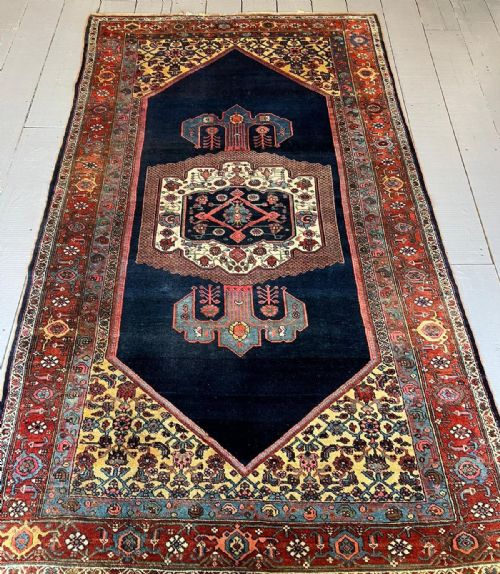
An indigo wool area rug encompasses hand-knotted tribal and village carpets originating from Persian, Caucasian, and surrounding regional traditions. These textiles range from compact prayer rugs and seating mats to large main carpets.
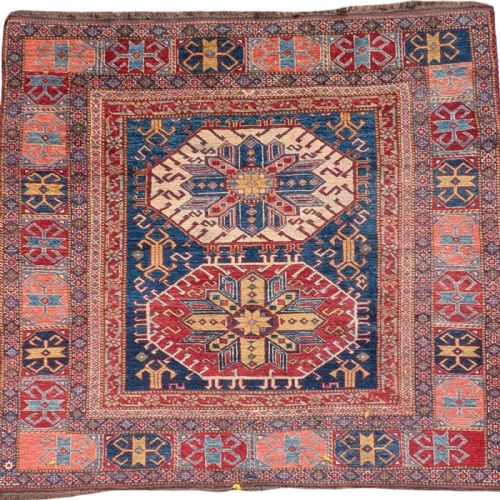
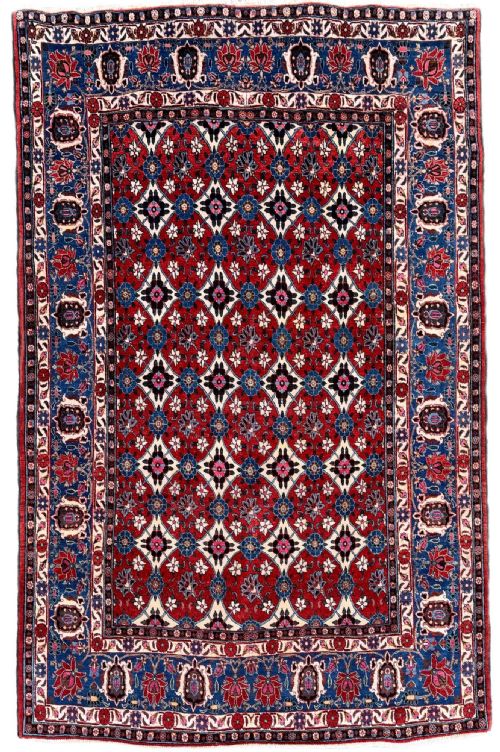
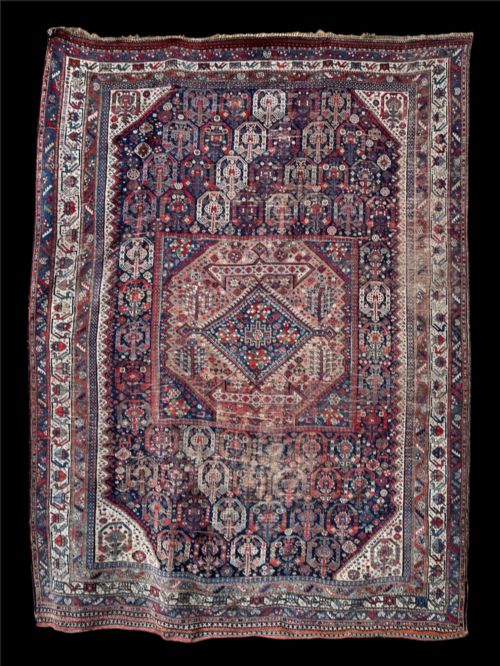
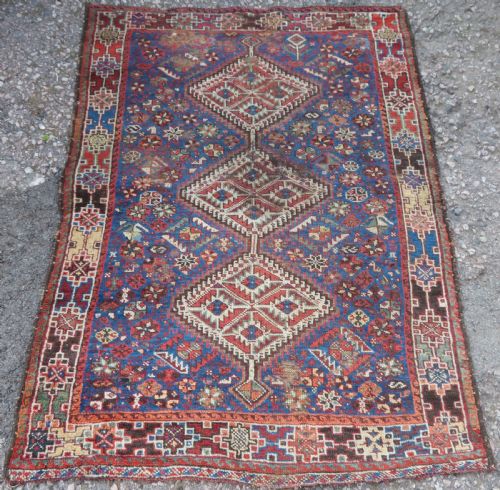
Buyers will encounter geometric medallions, repeating boteh motifs, and distinctive star patterns woven into heavy pile formats. Each piece reflects the specific regional iconography of its maker.
How they were made
Weavers relied primarily on wool for the main pile, often incorporating cotton foundations and occasional goat hair for structural durability. Natural dyes provided the characteristic deep blue shades alongside secondary earth tones.
Nomadic and village looms produced sturdy knotted-pile carpets designed for practical domestic use. The manipulation of natural dyes created subtle variations across the wool fibres over decades of wear.
Indigo Wool Area Rug Retail Price Guide 2026
Typical asking prices for indigo wool area rug among the pieces listed under this phrase on Sellingantiques today, from the lower quarter to the upper quarter. They describe what is for sale here now, not the wider market.
Secret little animal figures and tiny stray birds often hide quietly among the geometric stars of nineteenth-century village carpets.
What varies in quality
The density of the knotting and the crispness of the geometric design determine the structural calibre of the textile. Tighter foundations generally indicate greater durability and more precise execution of regional motifs.
The richness and depth of the natural dyes distinguish superior examples from standard ones. Greater tonal variation within the wool pile adds visual complexity to the finished carpet.
The Indigo Wool Area Rug Glossary
- Boteh
- A traditional almond or pear-shaped motif frequently found in oriental carpets. It is often interpreted as a stylised floral or cypress tree symbol.
- Medallion
- A central ornamental design element placed in the middle of the carpet field. Many tribal rugs feature single or repeated geometric medallions.
- Pile
- The vertical or diagonal loops of yarn that form the usable surface of the rug. This soft upper layer is created from hand-spun wool.
- Knot
- The individual loop of yarn tied around the warp threads to build the rug pile. Hand-knotted density varies significantly between village and nomadic pieces.
- Warp
- The stationary vertical strings stretched on the loom that form the skeletal foundation. Weft threads are woven across these structural elements.
Indigo Wool Area Rug: Frequently Asked Questions
How do I clean an antique rug?
Gentle surface brushing and professional specialist cleaning preserve the natural wool fibres. Avoid harsh chemical immersion to protect the original dyes.
Regular low-suction vacuuming prevents dust accumulation within the pile without damaging the antique cotton or wool foundation.
Where were these rugs made?
These textiles originate from regions across Persia, the Caucasus, and Central Asia. Nomadic confederations and village communities produced them on traditional upright looms.
Specific provenances include tribal territories associated with Afshar, Kazak, Khamseh, and Baluch weavers.
Can I place these rugs in high traffic areas?
The durable wool and goat hair construction handles moderate foot traffic well. Placing a quality underlay beneath the carpet prevents excessive slipping and fibre wear.
Heavier room placement suits large tribal carpets, while smaller mats function effectively in lighter utility spaces.
How do I identify the age of a rug?
Structural characteristics, natural dye chemistry, and traditional regional motifs provide primary indicators of age. Nineteenth and early twentieth-century pieces display distinct wear patterns and wool patination.
Stylistic markers such as Lezghi stars or specific tribal borders help narrow down the period of manufacture.