

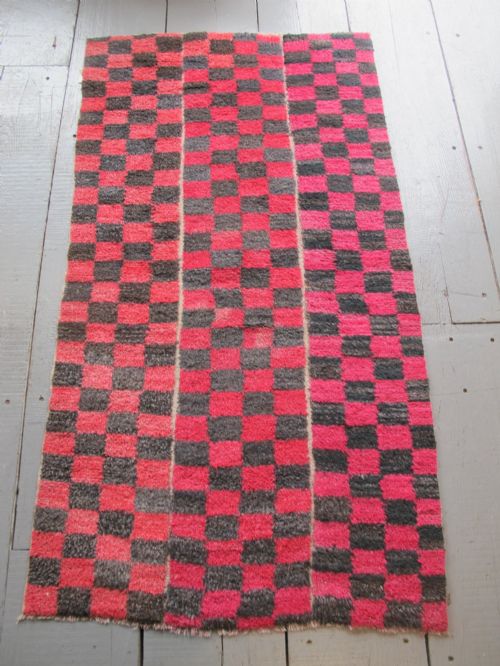


Antique Asian Area Rug
When searching for an antique asian area rug, collectors find woven textiles spanning nomadic tribal carpets to village floor coverings from Central Asia, Tibet, and China.
Antique Asian Area Rug
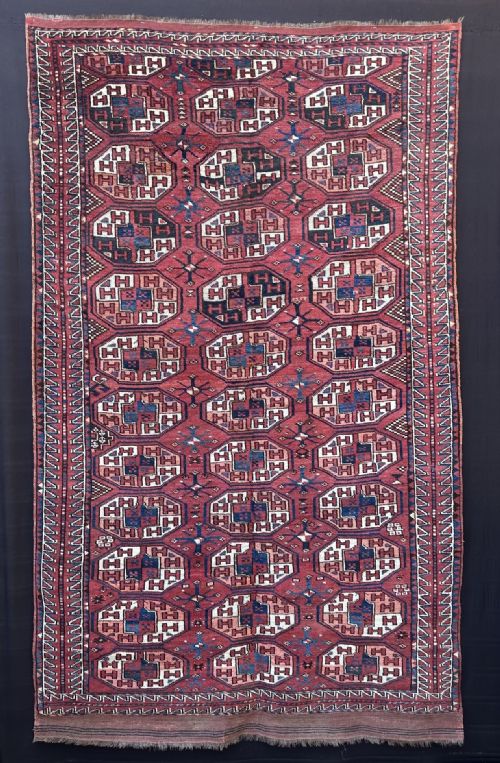
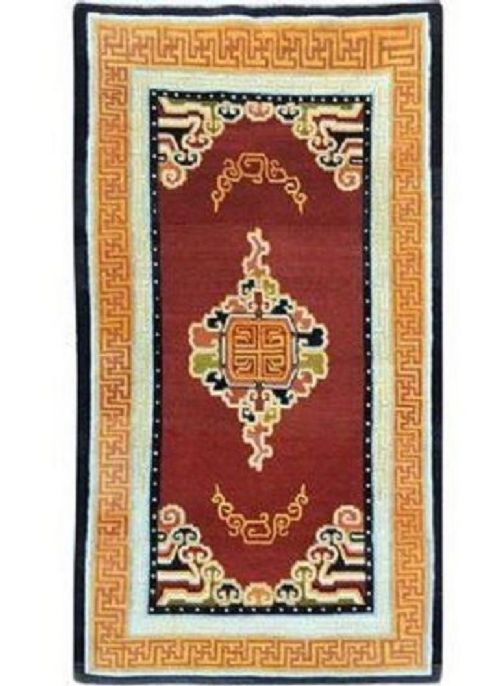
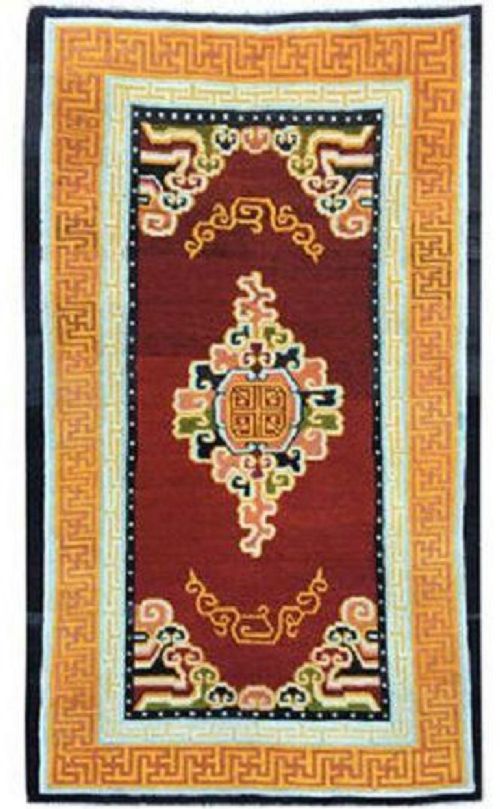
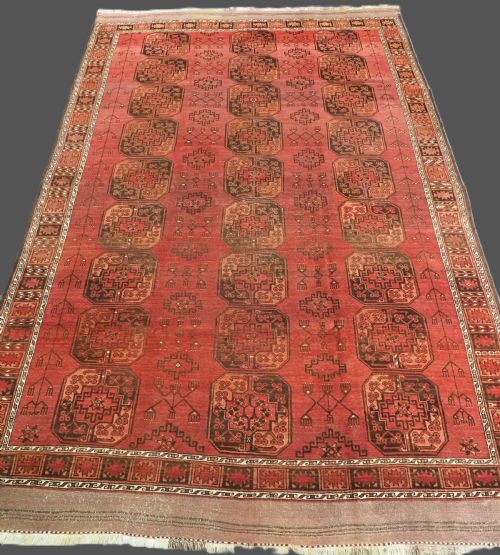
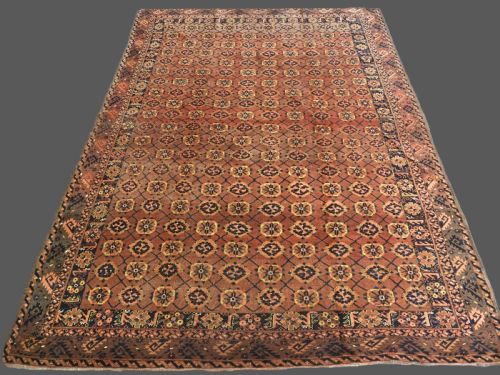
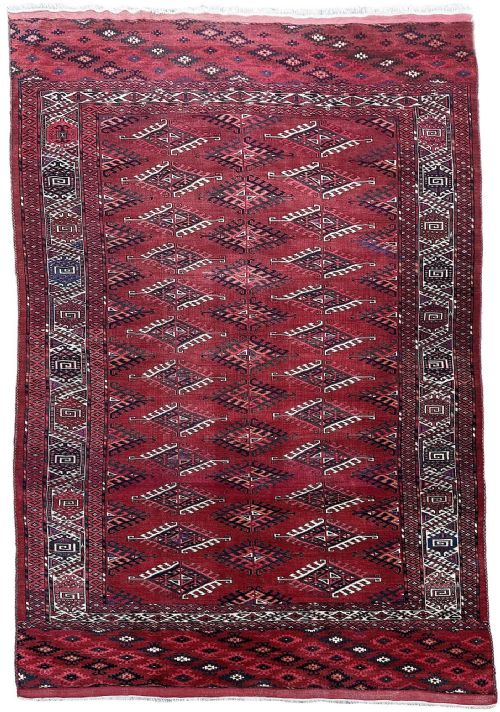
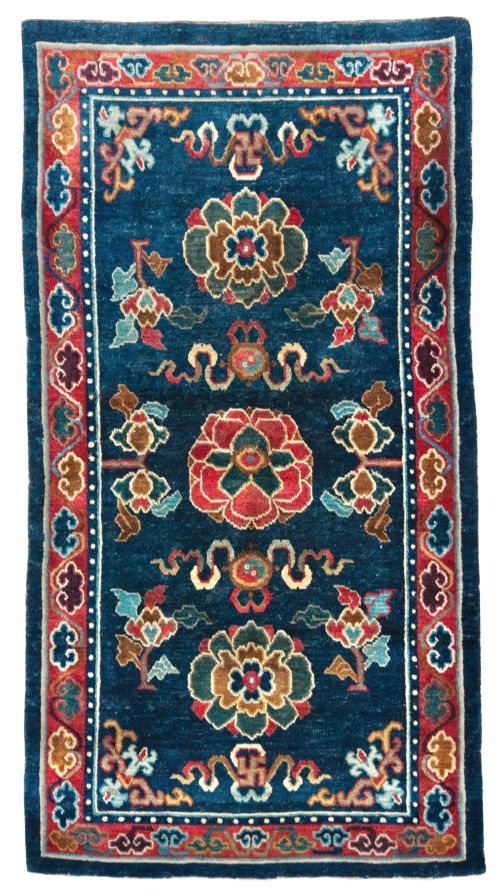
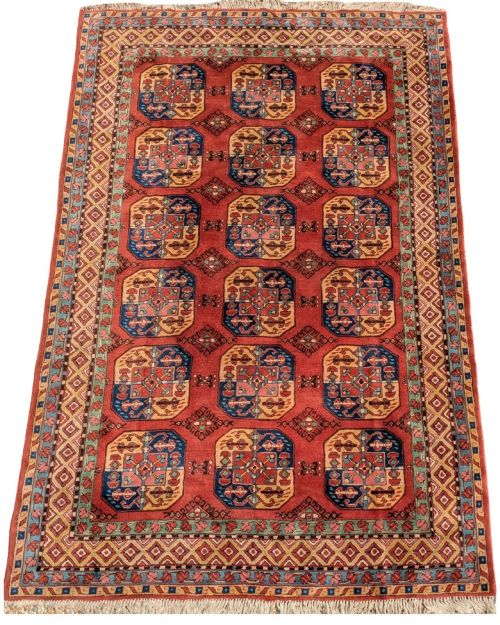
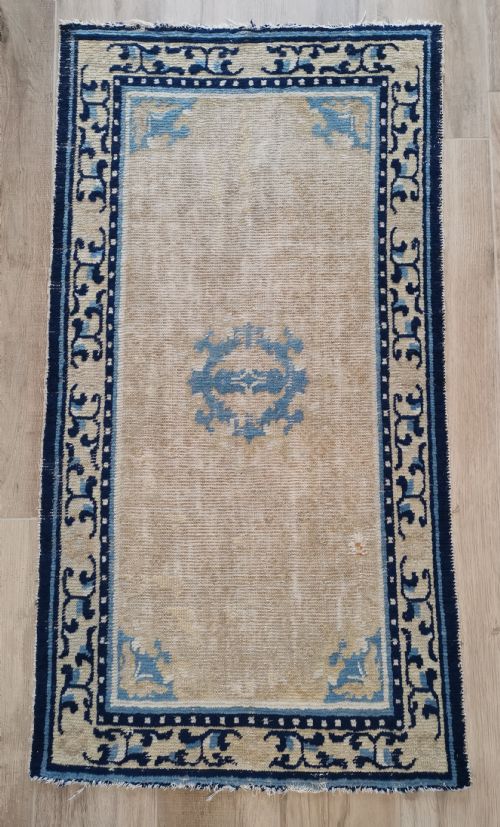
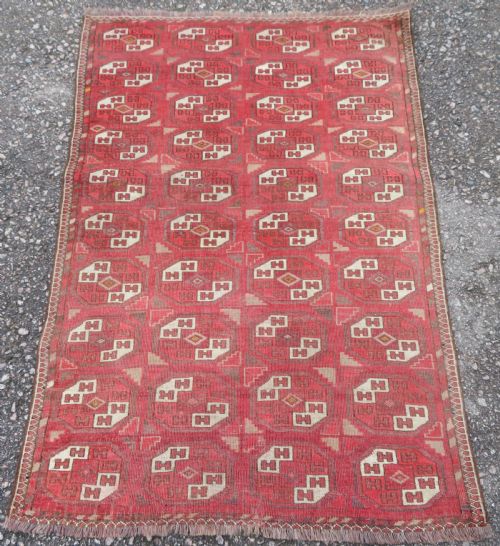
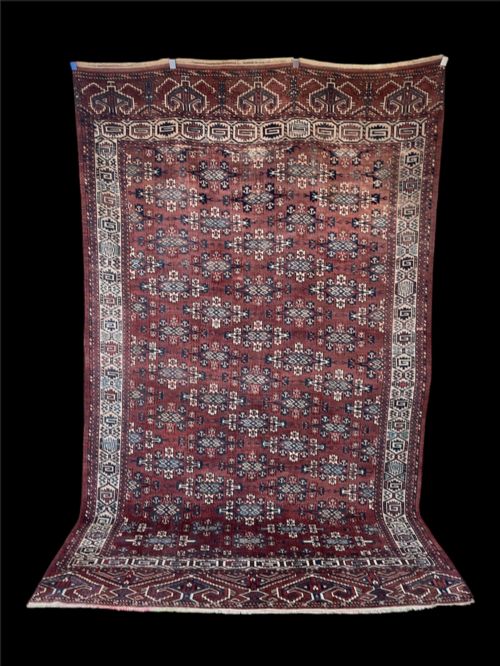
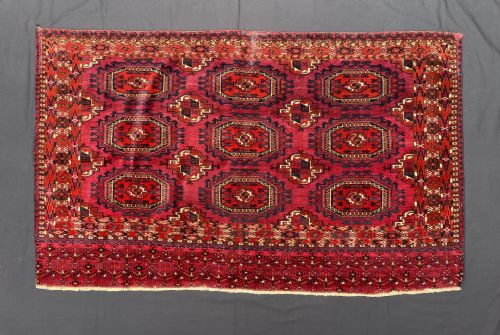
An antique asian area rug typically encompasses woven floor coverings and domestic textiles originating from regions including Turkmenistan, Afghanistan, Tibet, and China. These pieces include large room-size main carpets, village rugs, tent door rugs, trapping faces, and specific formats such as meditation rugs or prayer mats.
The most common examples encountered in this selection belong to Turkmen tribal groups such as the Tekke, Ersari, Yomut, and Kizyl Ayak. Alongside these tribal works, buyers frequently encounter Tibetan wool pieces and Chinese output from origins like Ningxia, reflecting diverse regional aesthetics from the nineteenth and early twentieth centuries.
Materials and Construction
Construction relies heavily on wool and cotton foundations, utilising hand-spun wool for pile yarns that impart tactile depth and varied surface texture. Specialised animal fibres such as camel hair, goat hair, and horsehair appear occasionally in specific structural or decorative elements.
Colour derives from natural dyes applied to these organic fibres, yielding rich reds, golds, and soft tones that age with distinct patination across the carpet surface.
Several textiles served practical nomadic lives as tent door hangings or storage bags before finding new roles as decorative floor coverings.
Markers of Distinction
Quality separates through knot density, structural integrity, and the precision executed in traditional gul motifs or lattice designs. Finer weaves demonstrate sharper definition in tribal emblems and geometric repeats.
The purity and depth of natural dyes dictate visual success, alongside the retention of original borders, elem panels, and overall pile depth relative to the age of the textile.
The Antique Asian Area Rug Glossary
- Gul
- A primary octagonal medallion motif repeated across Turkmen carpets. Each tribal group utilised distinct variations to signal lineage and heritage.
- Engsi
- A specialised rug used as a tent door hanging rather than a floor covering. These feature compartmentalized designs and protective lower elem panels.
- Chuval
- A large tent bag face produced by nomadic tribes for storage purposes. They frequently display multiple guls and serve as decorative wall or floor fragments today.
- Khaden
- A Tibetan rug format traditionally used as a sleeping or seating mat. They often display uncluttered compositions suited for domestic utility.
- Soumak
- A flat-weave technique utilising a wrap-and-weft method that creates a durable, non-pile textile with a textured surface structure.
Antique Asian Area Rug: Frequently Asked Questions
What are antique Asian tribal rugs?
Antique Asian tribal rugs are hand-knotted and flat-woven textiles created by nomadic and village populations across Central Asia, Turkmenistan, and Afghanistan. They were traditionally utilised for domestic flooring, tent furnishings, and storage.
These pieces reflect specific tribal identities through repeating geometric motifs, medallion patterns, and distinctive colour palettes dominated by reds and golds.
How were Tibetan meditation rugs used?
Tibetan meditation rugs were manufactured specifically for use in monasteries and domestic spaces for seated prayer and contemplation. Their smaller dimensions accommodated a single person.
These formats often feature symbolic iconography or minimal compositions distinct from large nomadic floor carpets.
How do I care for an antique rug?
Living with antique rugs requires gentle maintenance, primarily through regular low-suction vacuuming without beater bars to protect the wool pile. Professional cleaning suited for natural dyes and hand-spun wool ensures longevity.
Rotating the rug periodically prevents uneven wear from foot traffic and sunlight exposure in domestic settings.
How do I identify different tribal styles?
Tribal styles are identified by examining the specific repeat motifs, such as the gul patterns unique to Tekke, Yomut, or Ersari weavers. Structural details like end finishes and border arrangements also point to specific regions.
Comparing knot structure and foundation materials helps separate Central Asian nomadic work from Tibetan and Chinese workshop pieces.