






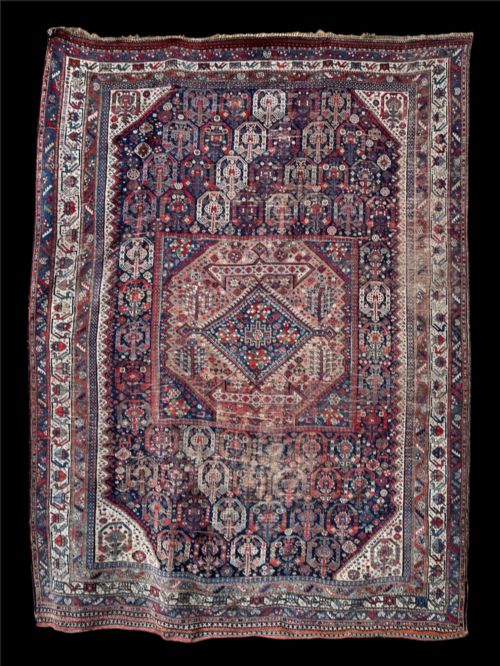
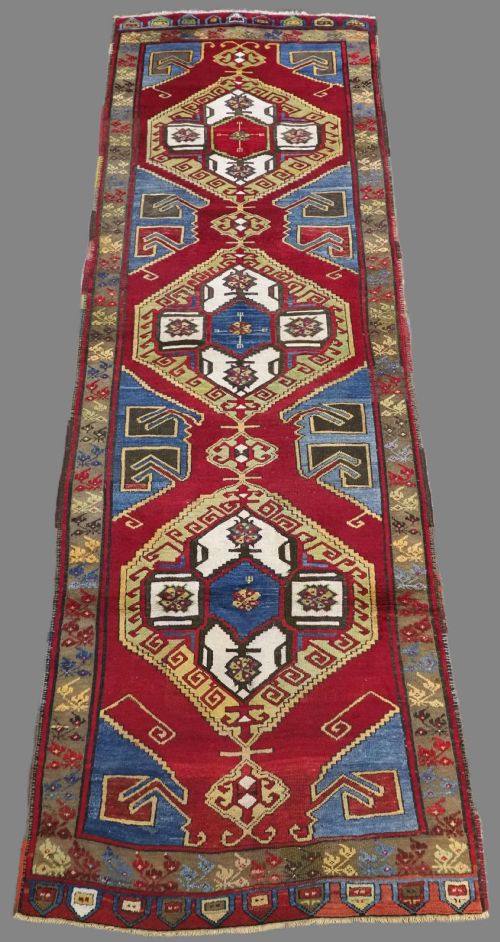
Traditional Wool Floor Runner
A traditional wool floor runner brings warmth and pattern to long corridors through decades of woven resilience.
Traditional Wool Floor Runner
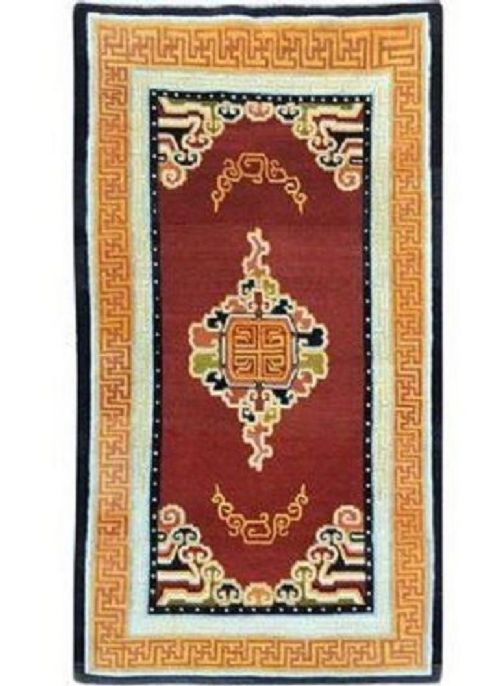
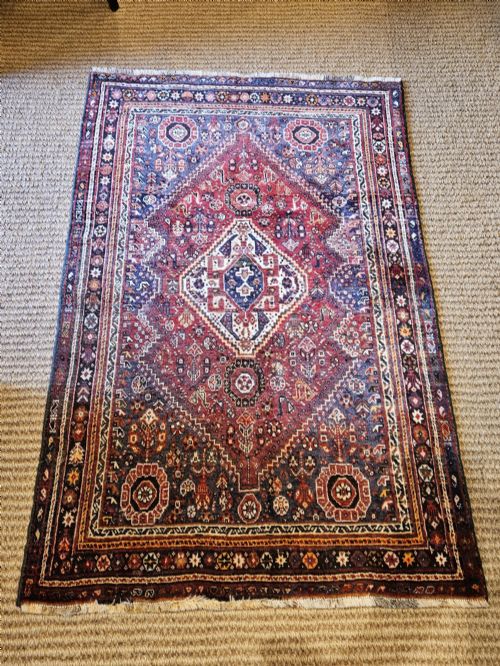
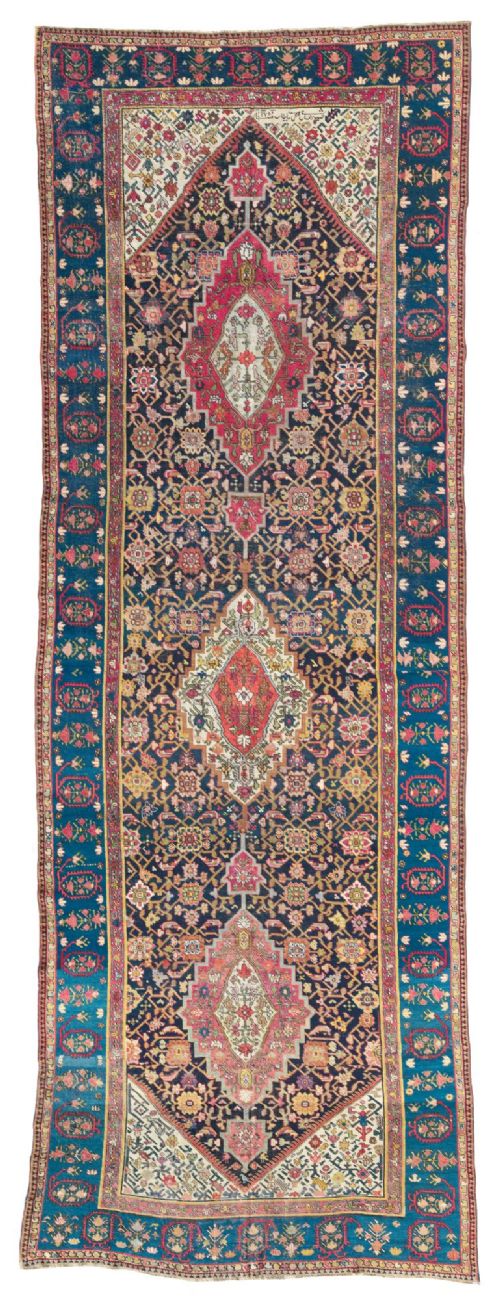
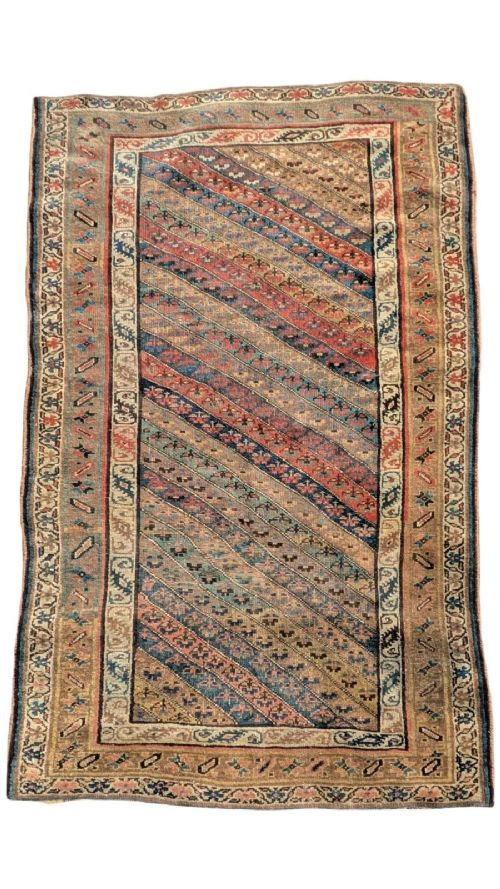
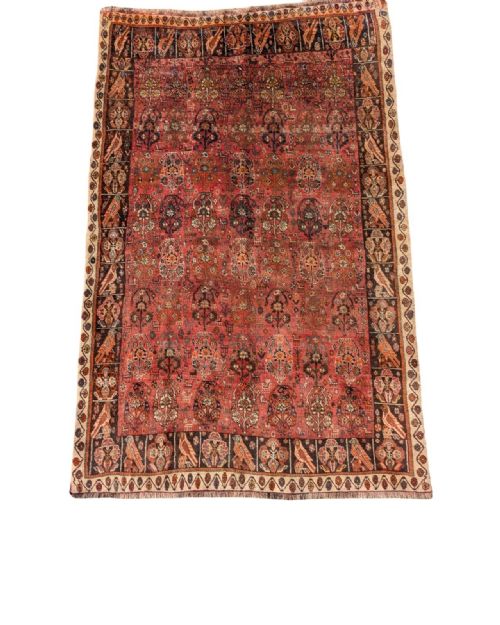
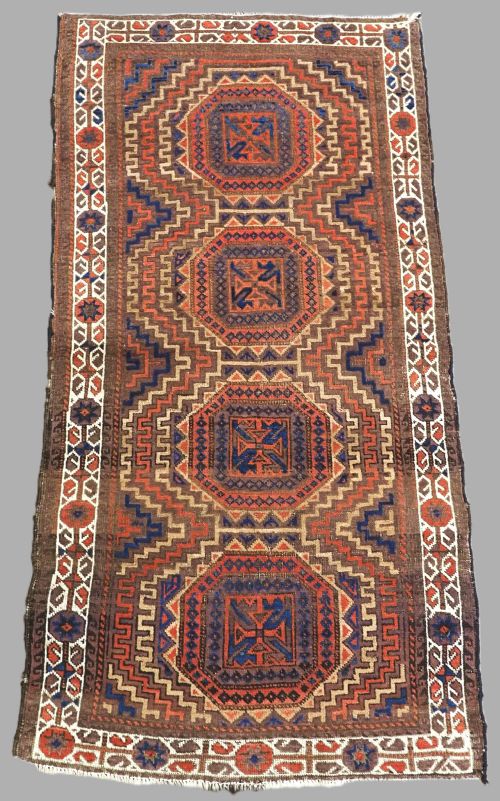
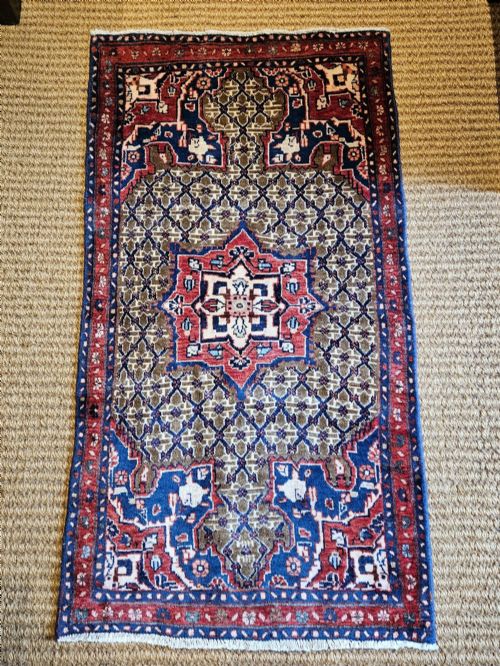
A traditional wool floor runner provides durable floor coverage tailored for hallways and narrow spaces, drawing on diverse regional weaving traditions. When searching for a traditional wool floor runner, buyers encounter pieces originating from Persian, Caucasian, and Turkmen workshops created between the mid-nineteenth century and the early twentieth century.
The inventory on this page spans specific regional forms including long runners, kelleh carpets, and narrow hallway rugs created by tribal and village weavers. These textiles utilise traditional formats designed specifically to withstand heavy foot traffic while providing striking geometric or floral organisation along domestic passages.
How They Were Made
Weavers constructed these runners using hand-spun wool and cotton foundations, employing dense knotting techniques to secure the pile. Natural dyeing methods supplied the palette, resulting in deep blues, rust backgrounds, and varied colourful accents recorded across the listings.
The structural integrity relies on hand-knotted pile formations attached to robust warp and weft threads. This traditional construction ensures long-term durability for floor placement in active household areas.
Traditional Wool Floor Runner Retail Price Guide 2026
Typical asking prices for traditional wool floor runner among the pieces listed under this phrase on Sellingantiques today, from the lower quarter to the upper quarter. They describe what is for sale here now, not the wider market.
Listings feature pieces spanning several decades from the mid-nineteenth century through the 1930s, utilising wool and hand-spun wool.
What Varies in Quality
The standard of a runner depends on the density of the knotting and the crispness of the tribal or floral design execution. Tighter pile structures and balanced proportions separate finer village and tribal pieces from simpler utility formats.
Preservation of the original wool pile and structural edges dictates the integrity of older runners. Examples retaining deep pile and clear regional motifs demonstrate superior survival through decades of domestic use.
The Traditional Wool Floor Runner Glossary
- Runner
- A long, narrow carpet format designed primarily for hallways, corridors, and narrow passageways. These pieces measure significantly longer than they are wide.
- Pile
- The upright yarn loops or cut ends that form the usable surface of a carpet. In these listings, pile is predominantly wool.
- Kelleh
- A large rectangular carpet format, longer than it is wide but proportioned differently from a standard runner. It serves substantial floor spaces.
- Warp
- The vertical threads stretched lengthwise on a loom that form the structural foundation of the rug. Wefts are then interlaced across these stationary threads.
- Gul
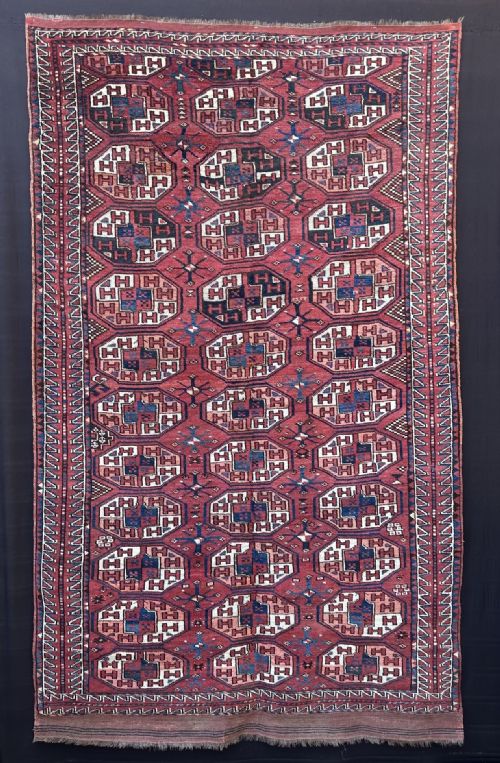
- A medallion motif frequently found in Turkmen and tribal carpets. It repeats across the field in symmetrical arrangements.
Traditional Wool Floor Runner: Frequently Asked Questions
Where do these runners work best?
These runners suit narrow hallways and corridors where traditional floor coverings add pattern and acoustic softening.
Their elongated proportions direct movement through domestic spaces while protecting high-traffic wooden floors.
How do I identify a tribal rug?
Tribal pieces display geometric motifs, stylized animal forms, and repeated guls rather than formal court-derived floral schemes.
Weavers working in regional nomadic or village traditions relied on memory and local symbolism for their designs.
What materials make up the pile?
The pile consists almost entirely of sheep wool, frequently hand-spun to create resilient and varied yarn textures.
Cotton appears primarily in the foundation warps and wefts to provide structural stability.
How are different regional styles told apart?
Caucasian pieces display sharp geometric stars and bold primary colours, whereas Persian village rugs often incorporate softer floral elements.
Turkmen and Baluch items are identifiable through distinct deep red grounds and repeated octagonal gul motifs.