

Antique South Persian Rug
An antique south persian rug brings nomadic artistry and rich tribal symbols into modern interiors through woven wool.
Antique South Persian Rug
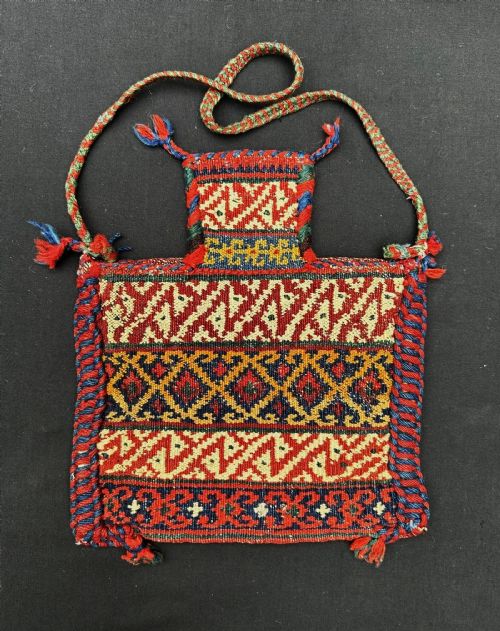
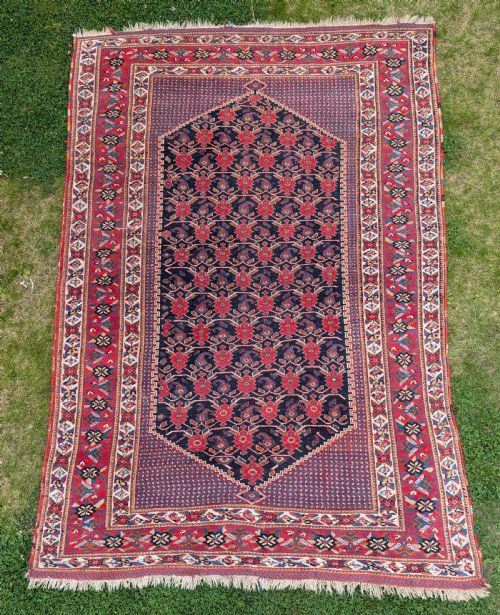
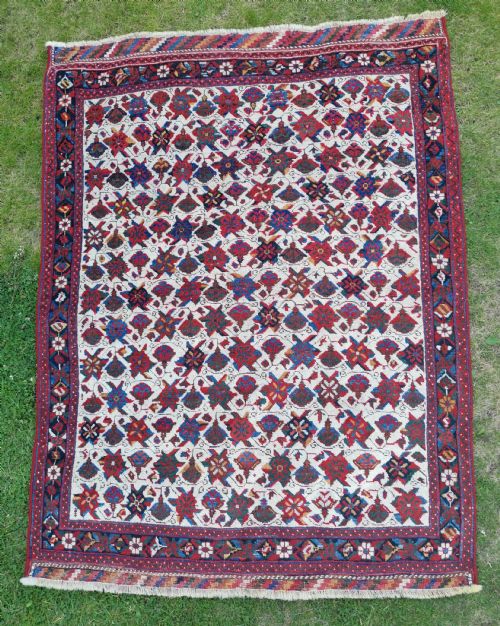
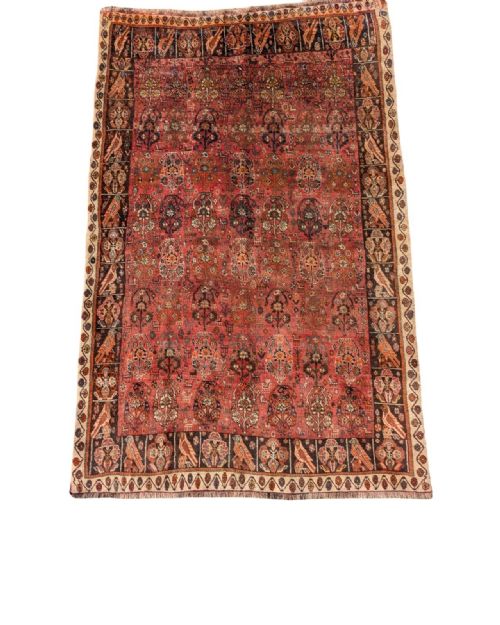
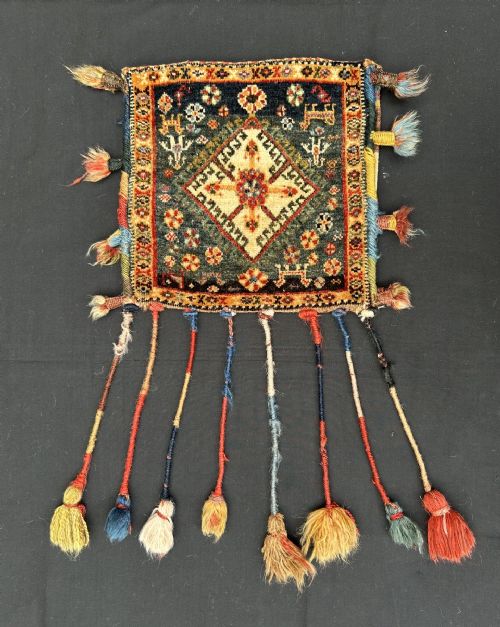
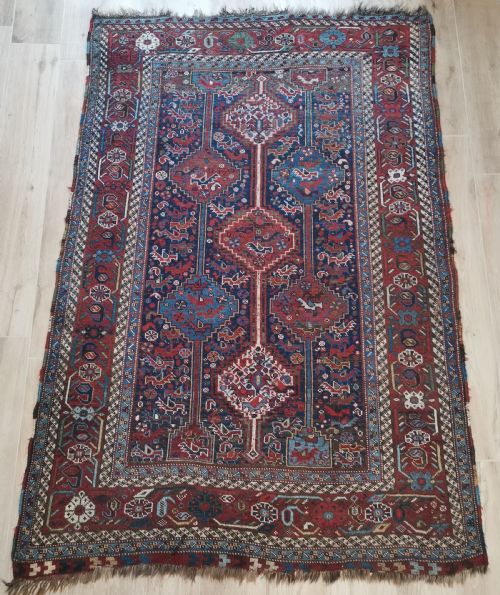
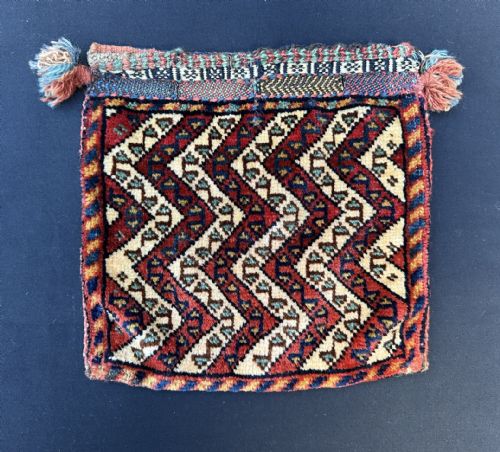
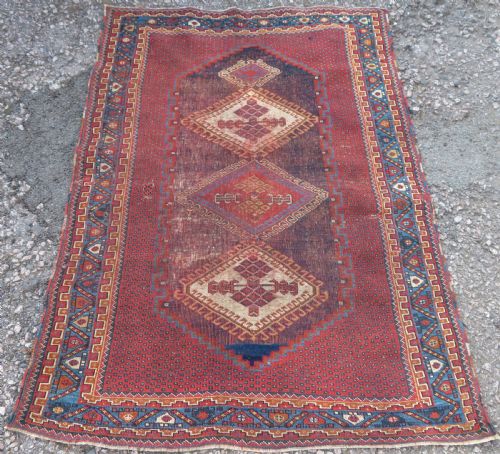
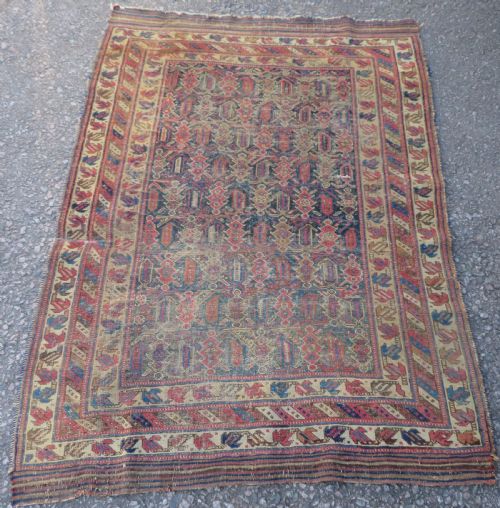
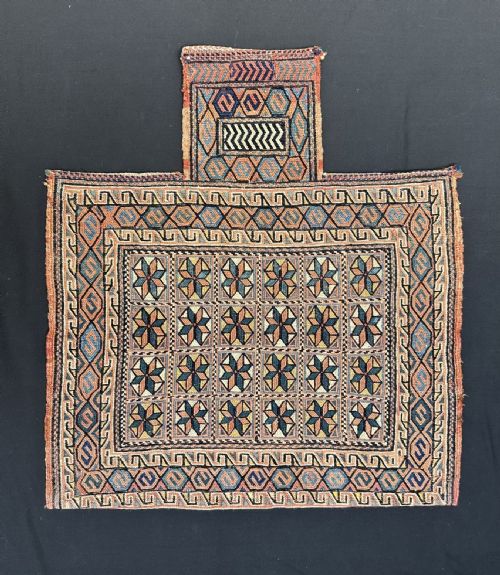
An antique south persian rug encompasses tribal weaving traditions originating from nomadic and village confederations in the region, including the Qashqai, Khamseh, Afshar, and Luri groups. These pieces manifest as area rugs, larger carpets, and occasionally utilitarian saddle bags intended for nomadic life.
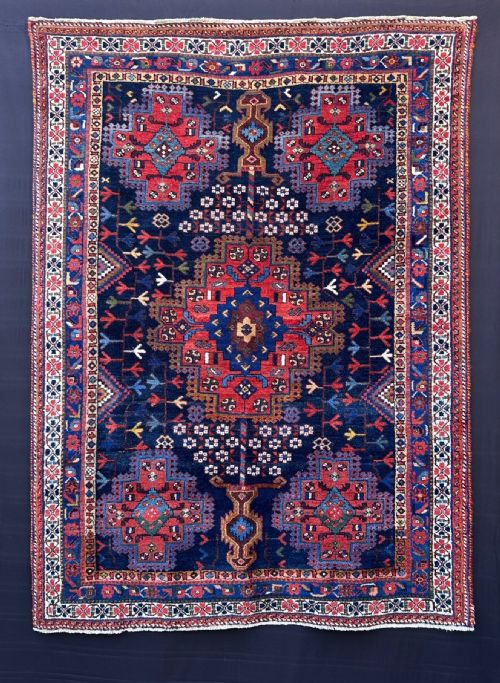
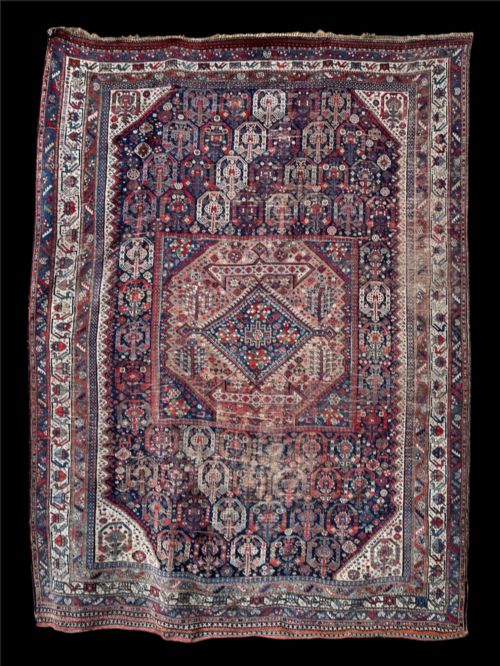
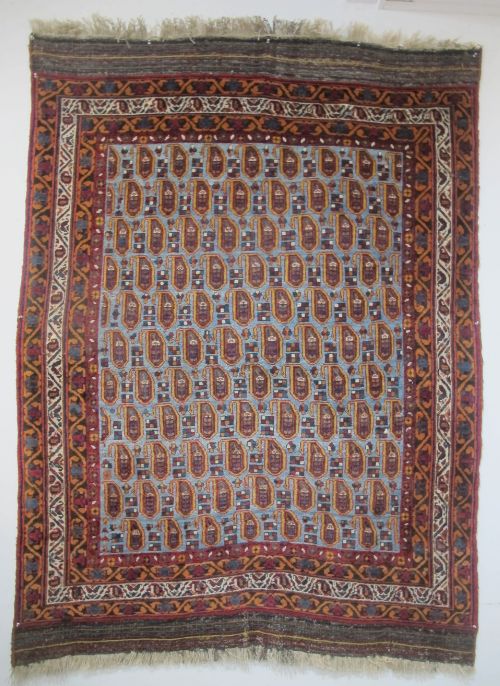
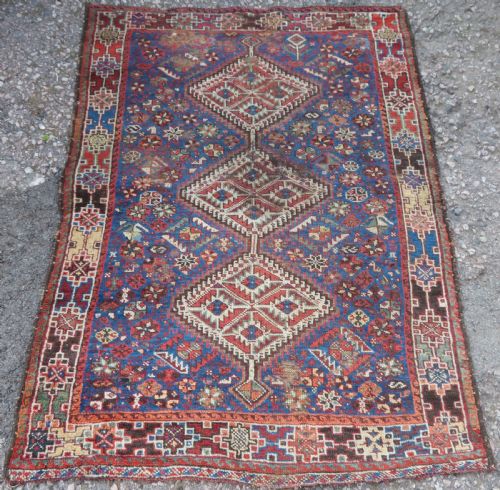
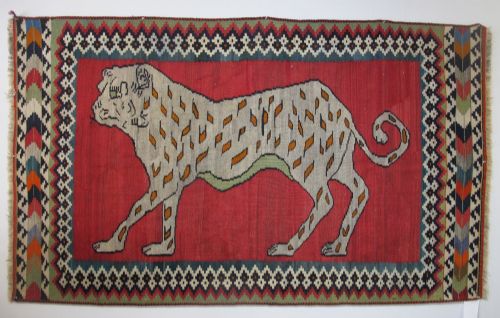
Buyers browsing this selection will frequently encounter Qashqai and Khamseh works dating from the late nineteenth century, typically displaying geometric medallions, animal motifs, and stylized botanical elements. The aesthetic reflects centuries of passed-down tribal iconography executed by weavers working on ground looms.
How They Were Made
These textiles utilise hand-spun wool for the pile and structure, providing a supple handle and distinct tactile quality. Weavers relied on natural dyes derived from plants and minerals to colour the fleece, creating subtle tonal variations across the field.
The foundations typically combine wool or cotton warps and wefts, bound by dense knotting techniques that produced durable floor coverings. Double-faced construction appears in utilitarian formats such as saddle bags, while larger carpets utilise symmetric or asymmetric knots depending on the tribal workshop.
Antique South Persian Rug Retail Price Guide 2026
Typical asking prices for south persian rug among the pieces listed under this phrase on Sellingantiques today, from the lower quarter to the upper quarter. They describe what is for sale here now, not the wider market.
Several nomadic weavers tucked tiny stray peacocks and rogue lions into the geometric fields, just to keep the tribe smiling.
What Varies in Quality
The distinction between standard village weaving and superior tribal examples rests in the fineness of the knot density and the precision of the drawing. Highly regarded pieces display harmonious palettes derived entirely from natural dyes combined with balanced proportions in complex motifs like triple medallions or pictorial elements.
The Antique South Persian Rug Glossary
- Boteh
- A stylised almond or pear-shaped motif representing a floral shoot or cypress tree, frequently repeated across tribal fields.
- Medallion
- A central ornamental design element placed in the middle of the rug, often appearing in single, double, or triple formations.
- Kelleh
- A long, narrow format of carpet traditionally suited for the side or end of a Persian room layout.
- Warps
- The vertical threads stretched lengthwise on the loom that form the foundational skeleton of the woven textile.
- Pile
- The vertical tufts of wool knotted onto the warp and weft threads that create the soft surface of the rug.
Antique South Persian Rug: Frequently Asked Questions
What is an antique south persian rug?
It is a hand-knotted tribal textile produced by nomadic confederations like the Qashqai and Khamseh during the nineteenth century.
These pieces utilise hand-spun wool and natural dyes to depict geometric patterns, animals, and cultural symbols.
How were these rugs used originally?
Nomadic groups utilised them primarily as floor coverings, tent furnishings, and durable transport containers like saddle bags.
The dense wool pile provided insulation against cold desert and mountain floors during seasonal migrations.
How do I identify a Qashqai tribal piece?
Qashqai works often feature triple medallion layouts, rich blue or terracotta fields, and distinctive animal or bird motifs.
They frequently display finely spun wool and precise geometric borders characteristic of the Fars province.
Are natural dyes easy to spot?
Natural dyes produce nuanced variations in colour, known as abrash, where shades shift subtly across the wool pile.
These vegetable and mineral colourants mellow gracefully over time compared to synthetic alternatives.
How should I care for an antique rug?
Protect the textile by placing it in low-traffic areas and using a breathable underlay to prevent sliding.
Vacuum gently without a rotating brush roll and consult a specialist for professional cleaning.