

Tribal Oriental Rug
A tribal oriental rug brings earthy geometry and rich wool pile straight from village looms into modern rooms.
Tribal Oriental Rug
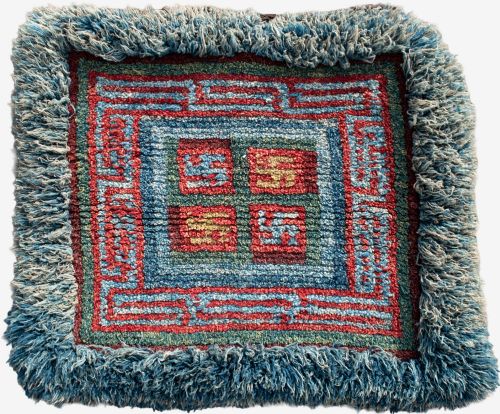
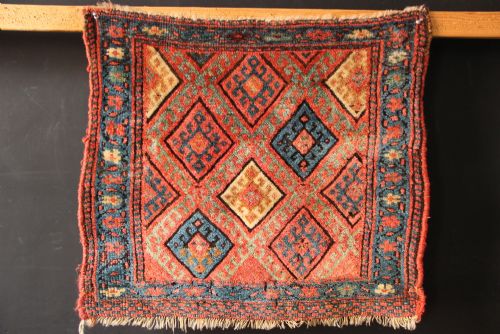
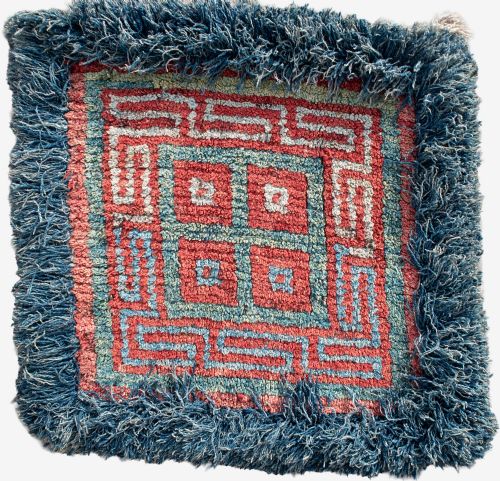
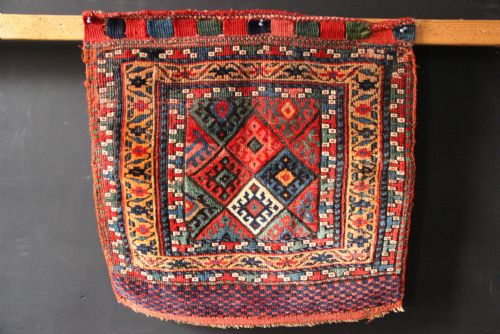
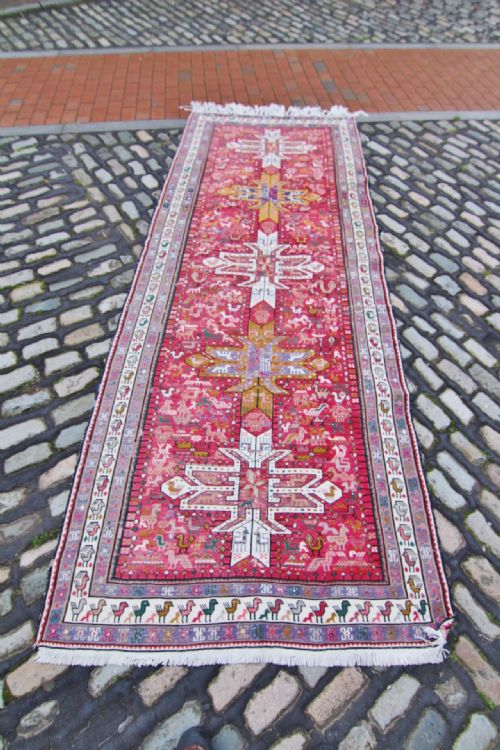
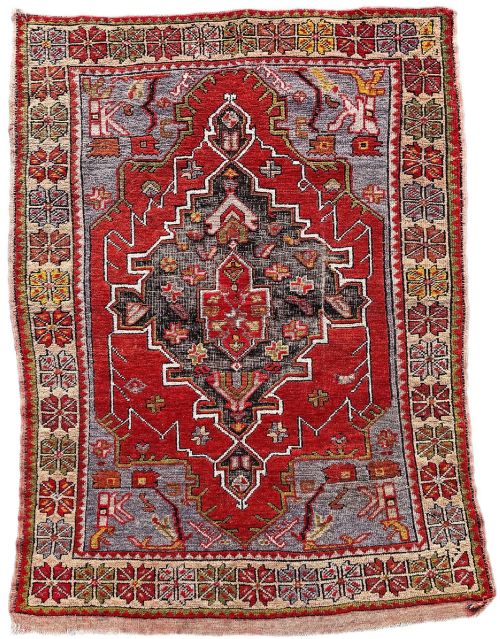
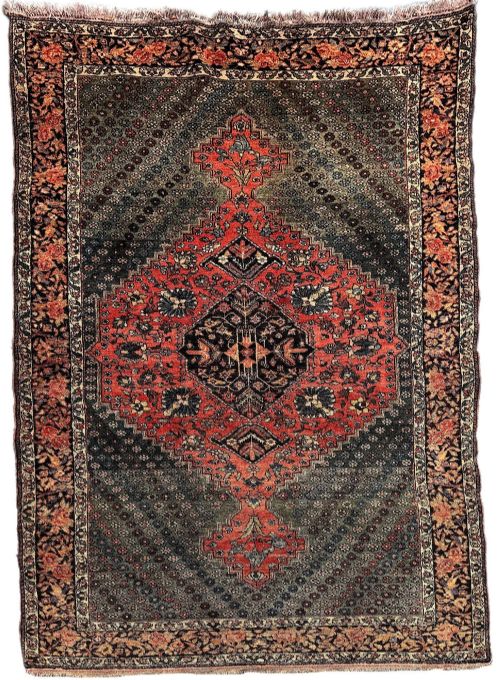
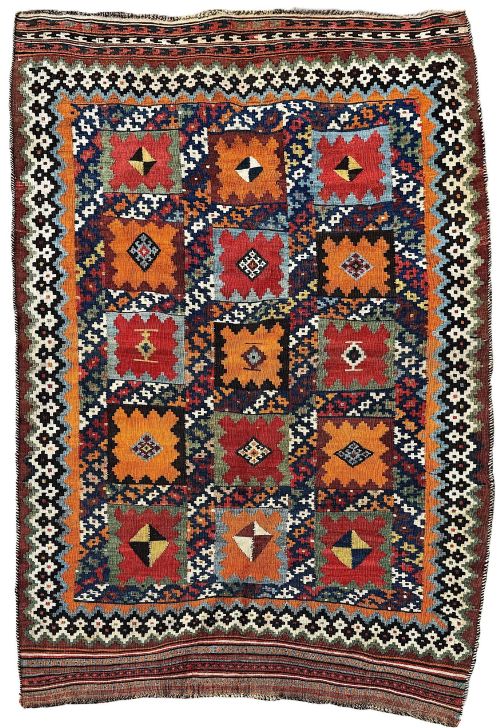
When you search for a tribal oriental rug, you encounter hand-knotted and flat-woven floor coverings originating from nomadic and village traditions across Persia, the Caucasus, Anatolia, and Central Asia. These textiles serve both functional and decorative roles, historically woven for tribal life, prayer, and domestic use. The pieces appearing here span from the nineteenth century into the early decades of the twentieth century.
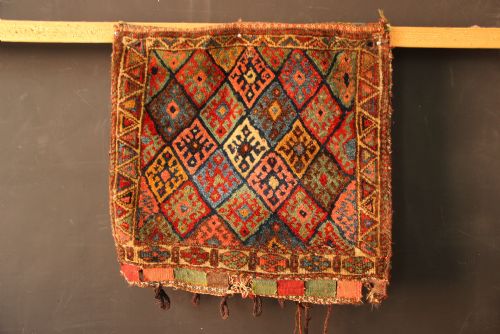
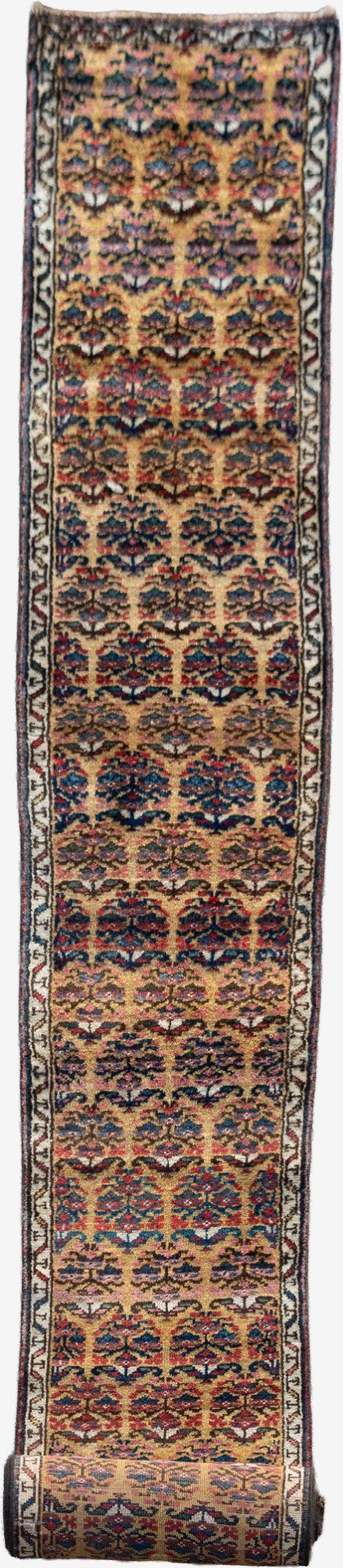
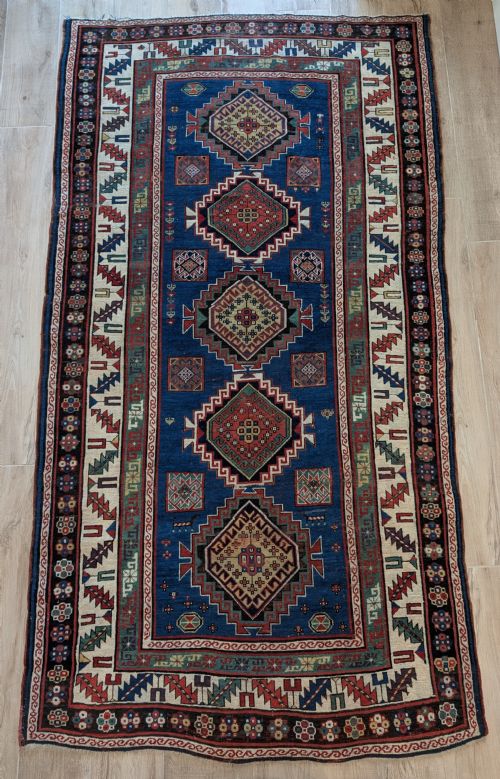
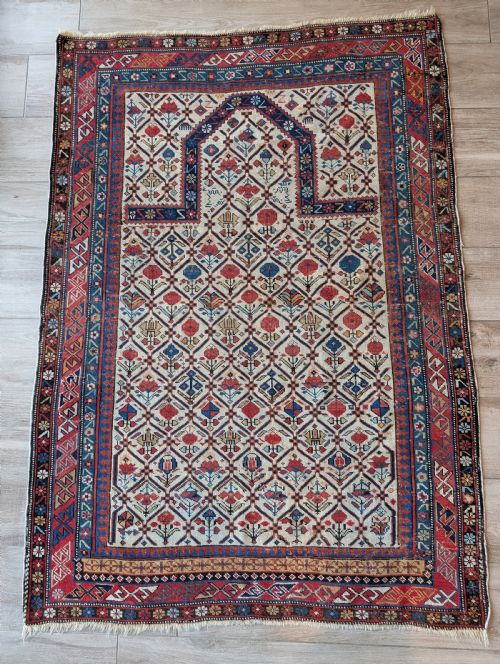
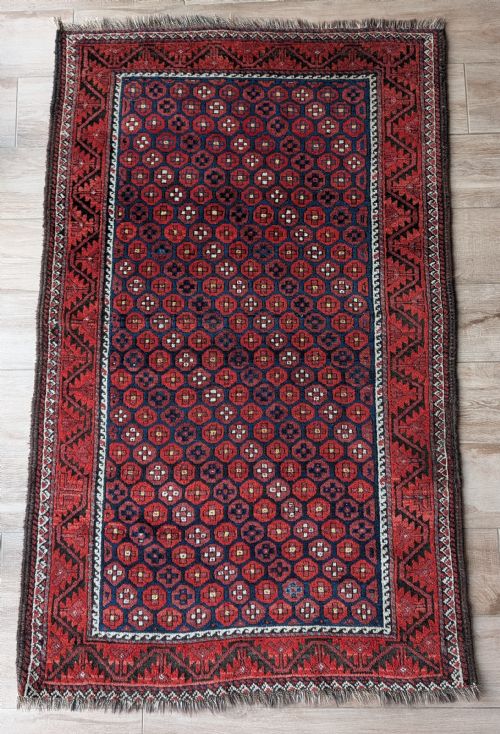
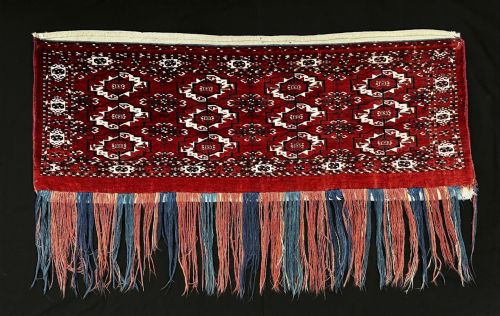
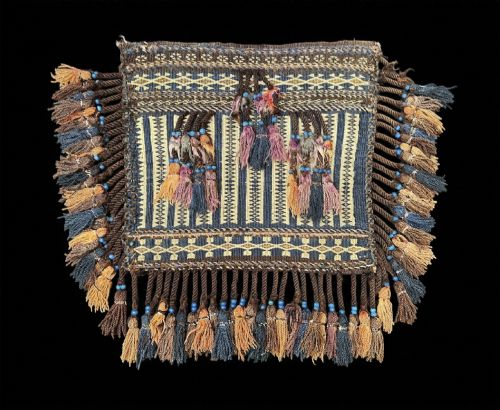
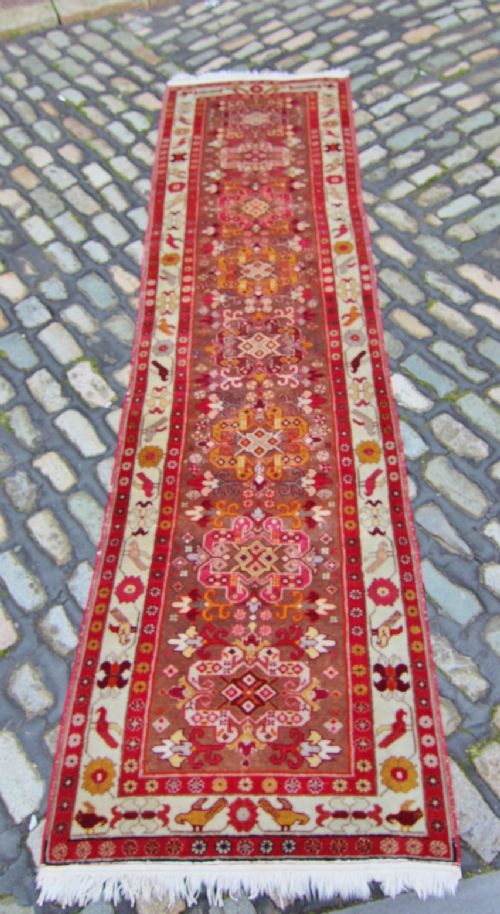
The most common examples on this page are village and tribal carpets, runners, and prayer rugs bearing regional motifs like geometric medallions, repeated field patterns, and mihrabs. You will frequently find pieces attributed to specific groups and regions such as Baluch, Afshar, Kazak, and Bakhtiar. Their forms range from compact mats to long hallway runners and large carpets.
These floor coverings reflect the distinct cultural identities and local weaving traditions of their makers rather than urban workshop standards. Their designs rely on symbolic geometry, tribal markers, and bold colour palettes that developed over generations. Collectors value them for their authentic folk character and the direct connection to historic weaving communities.
How they were made
The construction of these pieces relies primarily on wool pile hand-knotted onto wool or cotton foundations, alongside flat-woven kilims and soumaks. Weavers utilise hand-spun wool that absorbs dye with rich variation and develops a soft patina with age. Natural dyes provide the underlying depth of colour, creating nuanced shifts across the surface of the rug.
Nomadic and village workshops produced these textiles using upright or horizontal vertical looms, knotting each strand by hand. The structural integrity depends on sturdy wool warps and wefts, which hold the dense pile securely in place. Edge finishes typically involve overcast selvedges and simple flat-woven ends.
Tribal Oriental Rug Retail Price Guide 2026
Typical asking prices for tribal oriental rug among the pieces listed under this phrase on Sellingantiques today, from the lower quarter to the upper quarter. They describe what is for sale here now, not the wider market.
Current inventory includes nineteenth-century and early twentieth-century examples featuring wool, cotton, and natural dyes across Persian, Caucasian, and Anatolian styles.
What varies in quality
Quality in these textiles depends on the density of the knotting, the handling of the wool, and the integrity of the natural dyes. Finer knots permit crisper execution of intricate geometric designs and sharper lines. Superior wool retain natural lanolin, giving the pile a resilient handle and a deep lustre.
The artistic expression within the design and the harmony of the palette set superior examples apart from standard work. Strong regional authenticity, well-balanced proportions, and undisturbed pile height elevate a piece. Minor irregularities often reveal the hand of individual village weavers rather than diminishing the overall merit.
The Tribal Oriental Rug Glossary
- Prayer rug
- A small rug featuring a mihrab or arch design at one end, traditionally used for daily Islamic prayers. These pieces often direct the eye toward a central niche.
- Soumak
- A flat-woven textile technique where weft threads wrap around the warp threads to create a durable, textured surface resembling embroidery. This method produces sturdy carpets without a cut pile.
- Kilim
- A tapestry-woven carpet or rug made without a pile, resulting in a flat, lightweight fabric. They often display sharp geometric patterns created by slit-weave techniques.
- Mihrab
- The architectural arch motif depicted on prayer rugs, representing the direction of Mecca. It forms the focal point of the design field.
- Selvedge
- The finished side edges of a rug, tightly bound to prevent the warp threads from fraying. Original selvedges indicate a well-preserved textile.
- Warp
- The vertical foundation threads stretched tightly on the loom before knotting begins. The fringe of a rug consists of these exposed end threads.
Tribal Oriental Rug: Frequently Asked Questions
How do I care for my rug?
Vacuum your rug gently without using a rotating brush roll to protect the wool pile from unnecessary friction. Lift and shake smaller flat-woven pieces rather than beating them.
Keep the textile out of direct, harsh sunlight to prevent natural dyes from fading over time. Rotate the piece periodically to ensure even wear across high-traffic areas.
Can I use these rugs on heated floors?
Wool and natural foundations tolerate moderate ambient warmth from underfloor heating systems quite well. Ensure the subfloor does not reach excessive temperatures that might dry out natural lanolin in the wool.
Place a breathable, natural rug underlay beneath the piece to allow air circulation. Avoid plastic or rubber-backed grips that trap heat and moisture.
How are tribal rugs different from city rugs?
Tribal rugs feature spontaneous, geometric designs created from memory by nomadic or village weavers. Their palettes tend to be earthy and saturated, reflecting local materials.
City carpets rely on precise cartoon templates drawn by master designers with refined floral motifs. Urban workshops use cotton foundations and finer knot counts compared to rustic village productions.
What does a prayer niche mean?
The arched mihrab shape points the worshipper toward Mecca during daily ritual prayers. This architectural motif anchors the composition of the rug.
Weavers often orient floral or geometric symbols within or around the arch to denote sacred space. Spotting this feature immediately identifies the functional category of the piece.