

Vintage Persia Wool Rug
A vintage persia wool rug brings dense regional storytelling and hand-knotted structure into a modern interior.
Vintage Persia Wool Rug
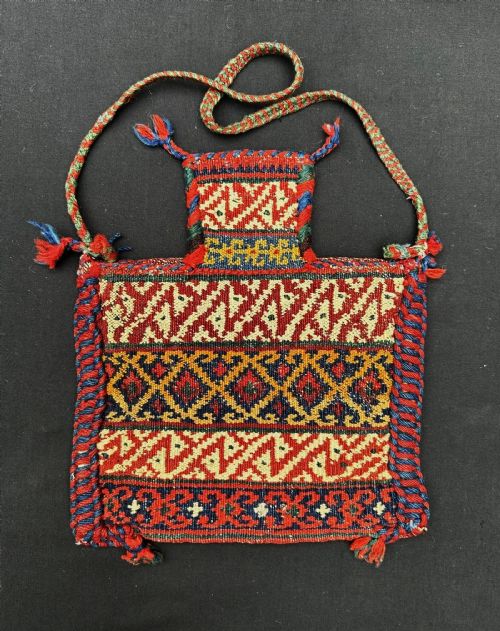
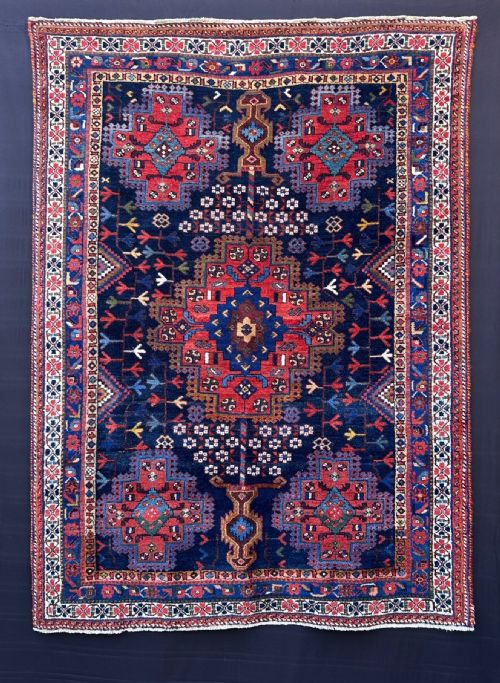
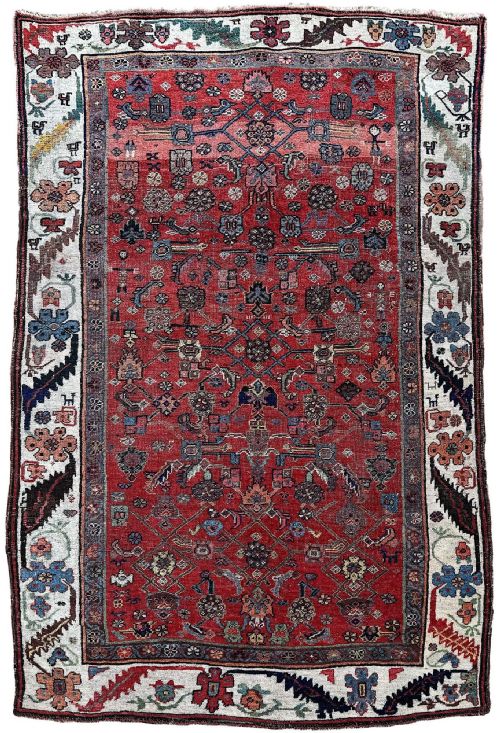
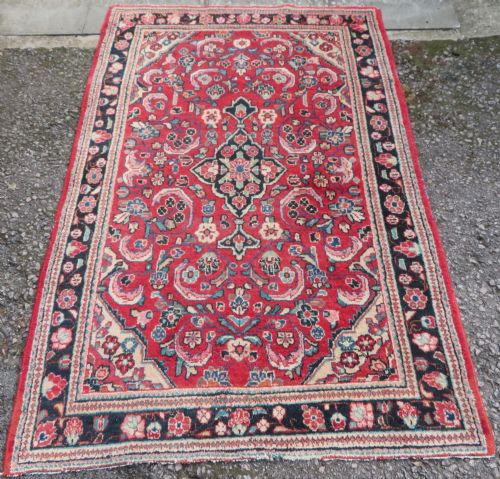
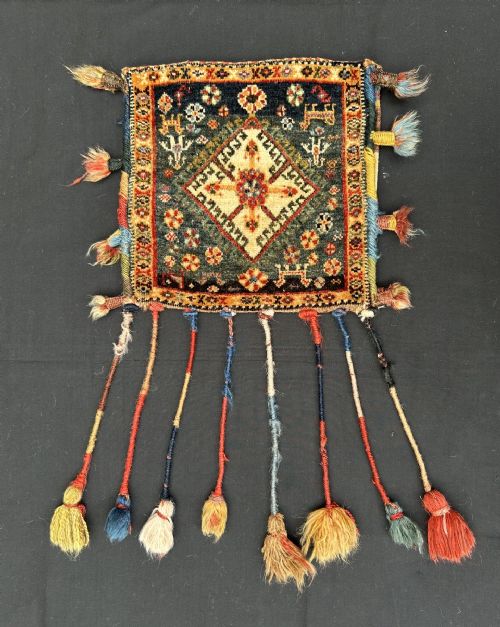
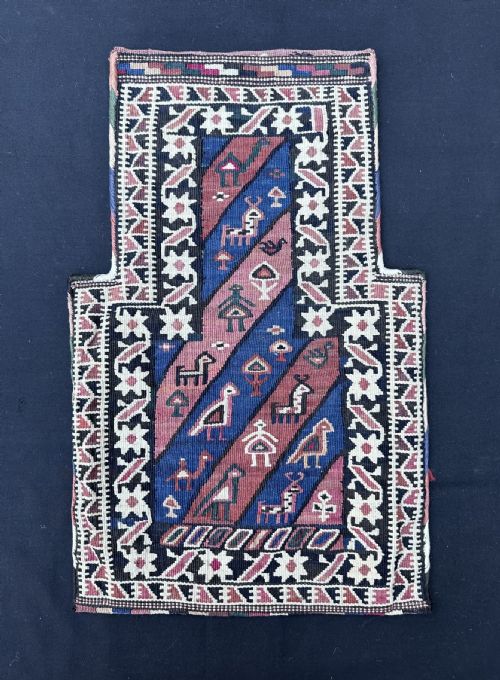
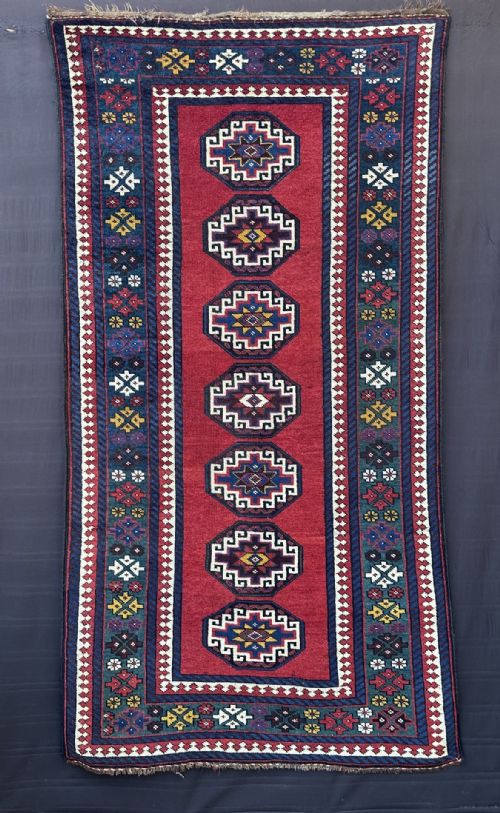
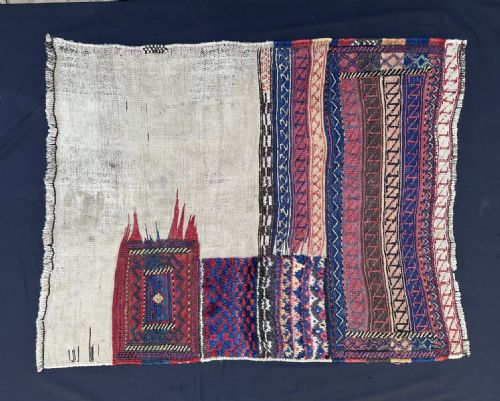
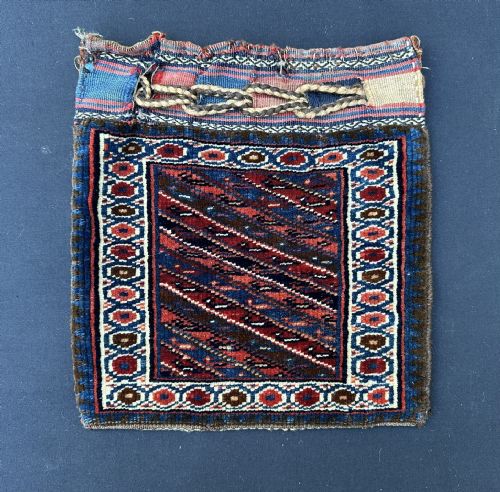
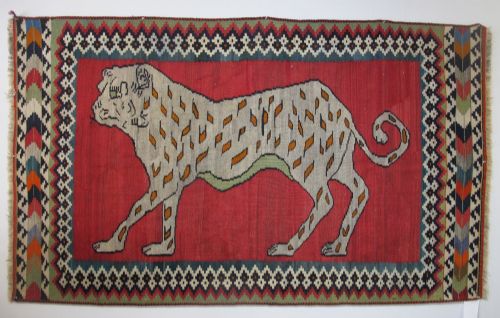
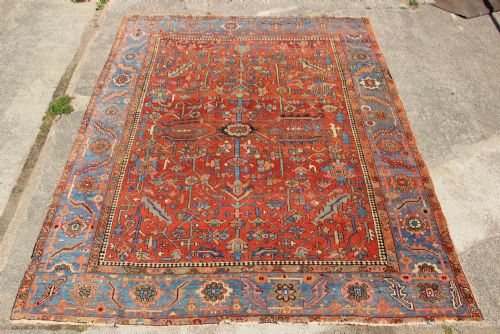
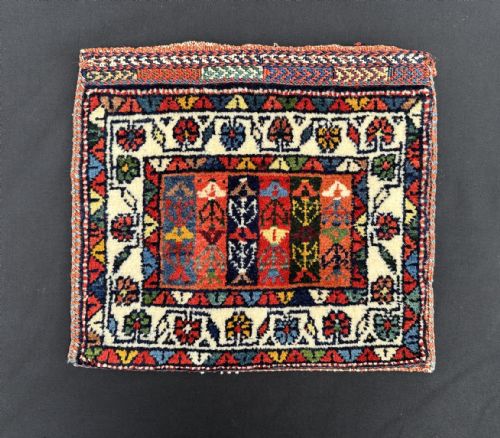
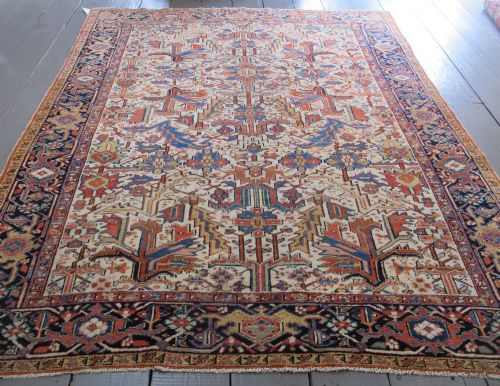
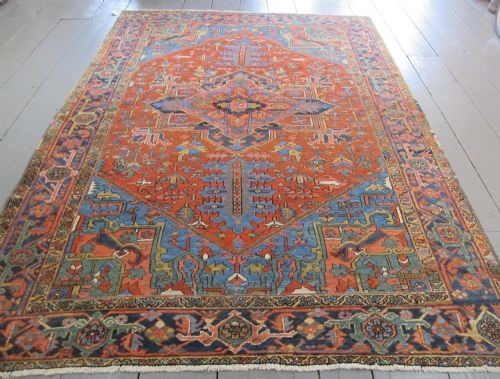
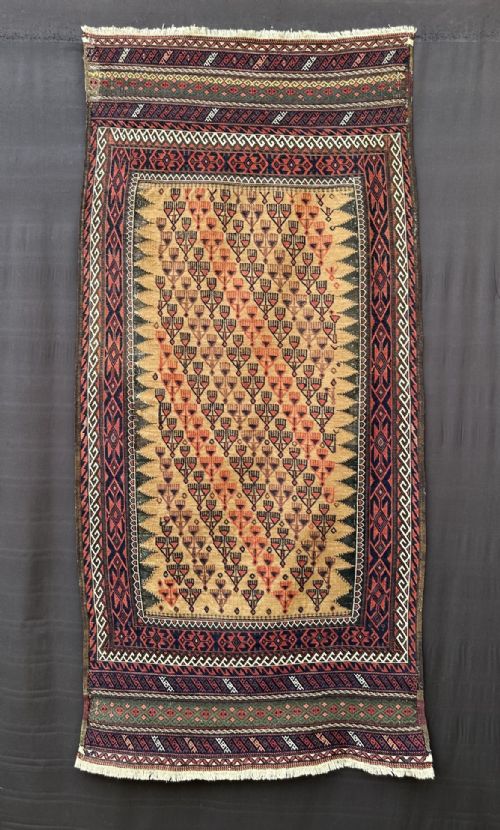
A vintage persia wool rug encompasses hand-woven floor coverings and tribal textiles originating from various provinces and nomadic confederacies across Persia. Buyers searching this phrase encounter floor rugs, large carpets, long hallway runners, and functional tribal containers such as salt-bags and bread sofrehs. The pieces seen here span periods from the late nineteenth century through to the mid-twentieth century, capturing distinct village and nomadic traditions.
Nomadic and village pieces dominate the selection, showing regional identifiers from regions like Kerman, Fars, Khorassan, and North-West Persia. Examples range from structured Heriz and Bidjar carpets to expressive Afshar, Qashqa'i, and Bakhtiari tribal weaves. Most items rely on traditional geometric or medallion formats shaped by the specific weaving groups that produced them.
What Varies in Quality
Quality in these textiles rests upon the integrity of the materials and the precision of the execution. Finer hand-spun wools and deeply saturated natural dyes retain their resilience and visual depth far better over decades of use.
The tightness of the knotting and the structural stability of the foundation separate standard utilitarian village items from exceptional tribal and city workshop carpets. Consistency in the symmetry of the design and the handled weight of the textile further distinguish superior examples.
Listings feature rugs and runners spanning the late nineteenth to the mid-twentieth century, utilising wool, cotton, and natural dyes.
Benlian·Ahmadi
The Vintage Persia Wool Rug Glossary
- Sofreh
- A flat-woven spread or cloth used historically for kneading bread, sharing meals, or gathering flour. These textiles often feature striking geometric field designs.
- Warps
- The vertical threads stretched tightly on a loom that form the structural skeleton of the rug. Fringe ends typically consist of these exposed warp threads.
- Wefts
- The horizontal threads passed alternately over and under the warp threads to bind the knots in place. They hold the rug's structural width steady.
- Pile
- The soft, dense surface of cut wool loops that stands upright from the foundation. Higher knot counts usually create a firmer, more resilient pile.
- Kilim
- A flat-woven textile produced without a raised pile by tightly interweaving warp and weft strands. These function as reversible floor coverings or decorative covers.
Vintage Persia Wool Rug: Frequently Asked Questions
What is a vintage persia wool rug?
These are hand-knotted floor coverings and flat-woven textiles created by nomadic tribes, village weavers, and urban workshops throughout historical Persia. They utilise locally sourced wool and traditional dyeing methods to produce durable functional art.
Such pieces reflect the specific aesthetic and cultural practices of the regions where they were knotted, from the mountains of the west to the southern deserts.
How were these rugs originally used?
Nomadic groups and villagers utilised these heavy textiles as ground coverings in tents, warmth-providing bedding, or functional containers like salt-bags and bread sofrehs. Urban households laid larger carpets in reception rooms to demonstrate status and provide insulation against stone floors.
Everyday utility dictated the sturdy construction, ensuring the textiles could withstand constant foot traffic, migration, and daily domestic life.
How do I live with one?
Place your textile in a room with moderate foot traffic and use a quality underlay to prevent sliding and reduce pile compression. Rotate the piece periodically to ensure even exposure to natural light and wear.
Vacuum gently using a suction-only attachment without a rotating beater bar to protect the hand-spun wool pile from unnecessary friction.
How do I tell regional styles apart?
Examine the palette, border arrangements, and structural motifs to identify specific origins like Heriz, Bidjar, or Afshar. Tribal pieces often display asymmetric geometric medallions and playful animal motifs, while urban carpets show balanced floral sprays and precise symmetry.
Foundation materials also offer clues, as cotton warps frequently point to settled village or city workshops, whereas wool and goat hair lean towards nomadic production.