


Vintage Blue Accent Rug
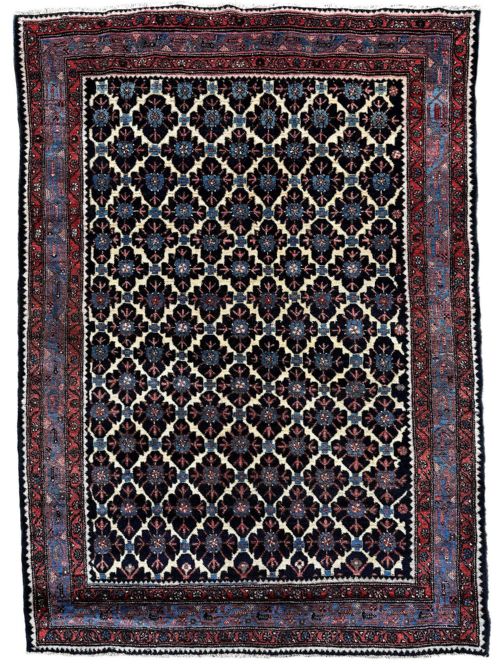
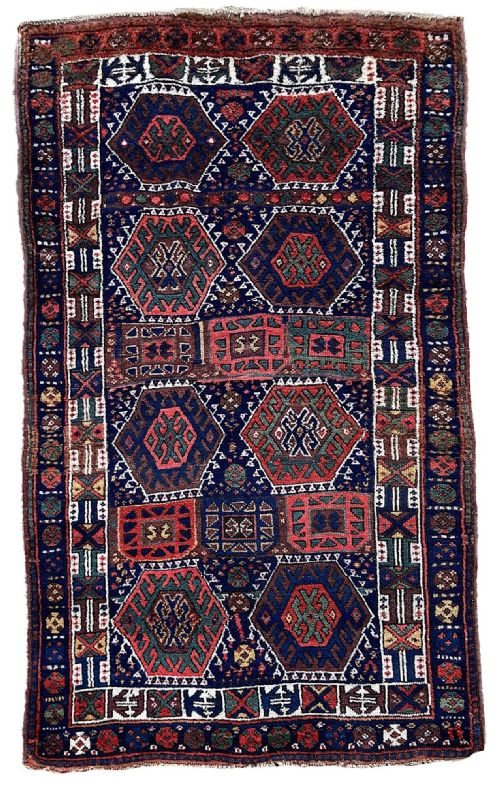
A vintage blue accent rug brings centuries of woven tradition, rich natural dyes and small-scale tribal artistry directly to your floor space.
Vintage Blue Accent Rug
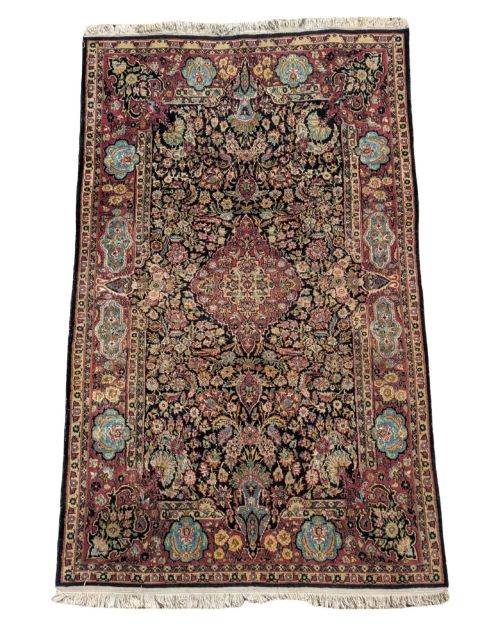
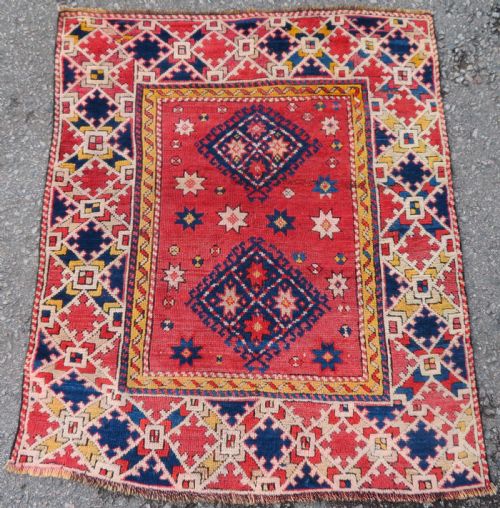
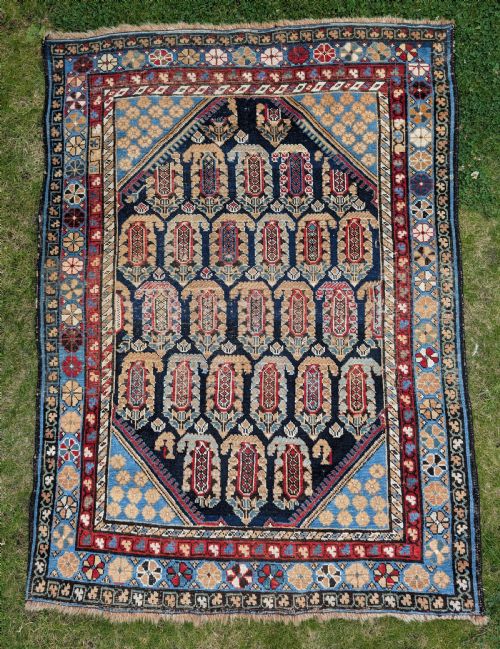
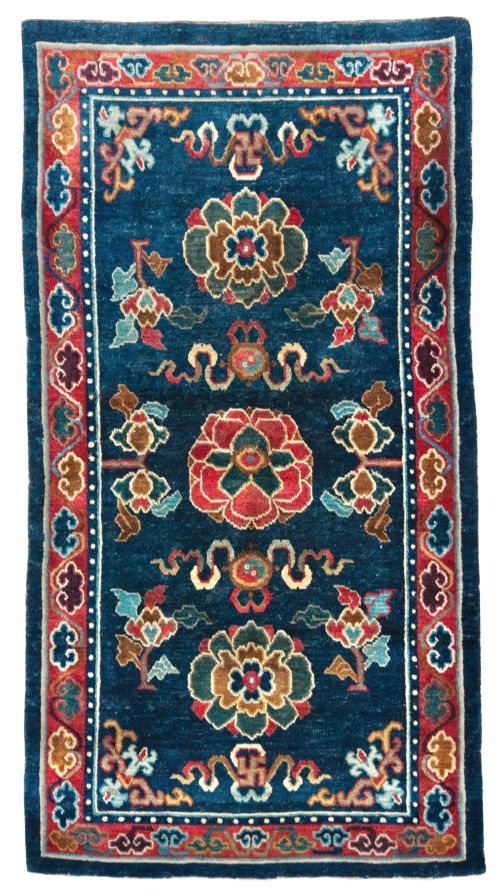
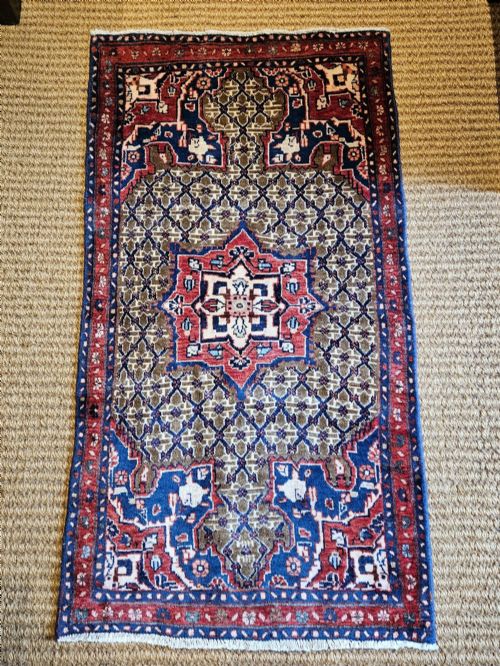
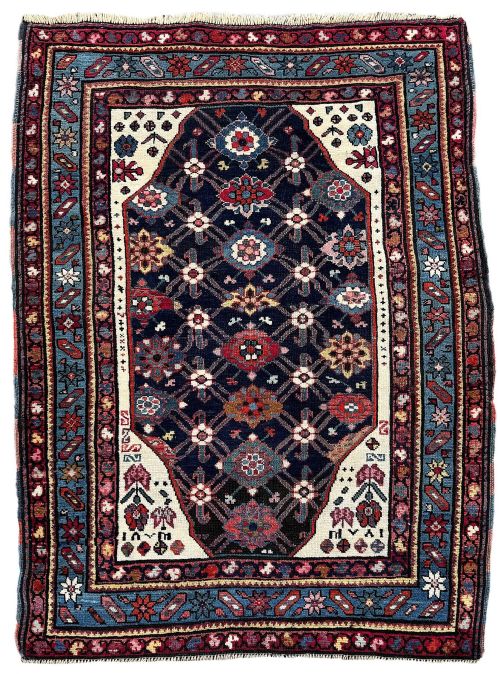
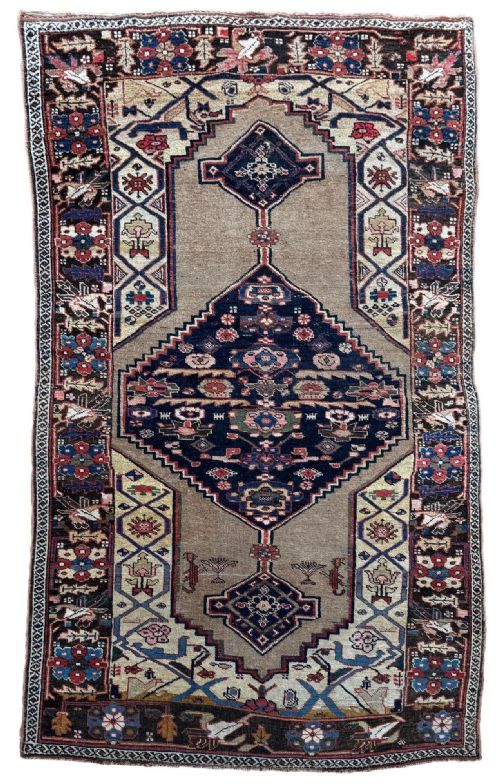
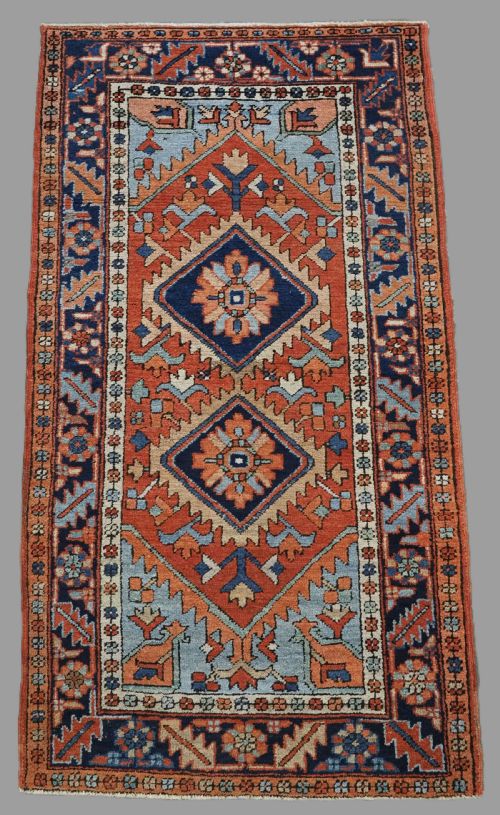
When you search for a vintage blue accent rug, you encounter hand-knotted small carpets and hearth-sized floor coverings originating mainly from Persian, Caucasian, and Anatolian tribal workshops. These pieces span from the late nineteenth century through to the early decades of the twentieth century, bringing concentrated patterns and rich indigo tones into domestic interiors.
The selection on this page leans heavily toward regional village weaves and nomadic pieces, including Heriz, Afshar, Baluch, and Kazak examples. Their modest dimensions make them suitable as accent pieces in hallways, studies, or beside larger furnishings where a punch of traditional colour is required.
How they were made
These floor coverings rely primarily on hand-spun wool and cotton warps, providing a sturdy foundation for intricate knotting executed by village and nomadic weavers. Natural dyes underpin the characteristic blue palettes, derived from plant sources that produce rich indigo and deep navy shades alongside secondary hues.
Certain finer pieces incorporate silk highlights to accentuate specific motifs within the field or medallion. The resulting textile balances structural resilience with the subtle variations inherent in hand-operated looms and botanical dyeing methods.
A few small rugs even doubled as cosy cushion covers, proving that historic nomads knew a thing or two about portable luxury.
What varies in quality
The degree of fineness in knot density and the precision of the tribal design dictate the tier of a particular weaving. Pieces originating from recognised regional centres like Heriz or Isfahan often display greater complexity in their central medallions and border geometry.
The depth and vibrancy of the botanical dyes also influence the character of the textile. Examples retaining rich, saturated blue tones without excessive fading represent the higher end of surviving village and nomadic output.
The Vintage Blue Accent Rug Glossary
- Medallion
- A central ornamental motif set within the field of the rug. It frequently anchors the entire geometric composition of village and tribal weaves.
- Warp
- The vertical threads stretched tightly on the loom before knotting begins. Cotton warp threads are common in many nineteenth-century Persian and Caucasian pieces.
- Prayer rug
- A textile featuring a distinct architectural mihrab arch design at one end. Historically utilised for directional ritual prayer in Islamic cultures.
- Natural dyes
- Colourants extracted from plants, insects and minerals prior to the widespread adoption of synthetic aniline dyes. They yield subtle tonal variations across the wool pile.
Vintage Blue Accent Rug: Frequently Asked Questions
Where should I place an accent rug?
These compact floor coverings work effectively in low-traffic areas such as bedside positions, small entryways, or beneath reading chairs. Their manageable dimensions allow them to add warmth and pattern without overwhelming a room.
Ensure you use a suitable rug underlay to prevent sliding on hard floors and to protect the vintage wool foundation from excessive friction over time.
How do I clean an antique wool rug?
Gentle surface vacuuming without a rotating power brush helps remove everyday dust from the wool pile. Professional specialist cleaning is strongly recommended for deeper maintenance to protect natural dyes.
Avoid soaking the cotton warp or exposing the piece to harsh chemical detergents, as these can destabilise nineteenth-century natural colorants and damage the foundation.
What defines a tribal rug?
Tribal rugs are woven by nomadic or village groups rather than urban manufactories. They typically feature geometric motifs, memory-driven designs, and spontaneous colour shifts.
These pieces reflect the personal heritage and local traditions of makers from regions such as the Caucasus, Anatolia, and Persia.
How can I tell the age of a rug?
Evaluating age involves examining the materials, dye types, knotting style, and structural wear patterns. Hand-spun wool and organic indigo palettes generally point towards nineteenth or early twentieth-century production.
Comparing regional motifs against documented village types helps narrow down the historical period and likely origin of the weaving.