



Handwoven Oriental Hearth Rug
A handwoven oriental hearth rug brings warmth and texture to a room, drawn from traditions across Persia, Anatolia, Tibet and the Caucasus.
Handwoven Oriental Hearth Rug
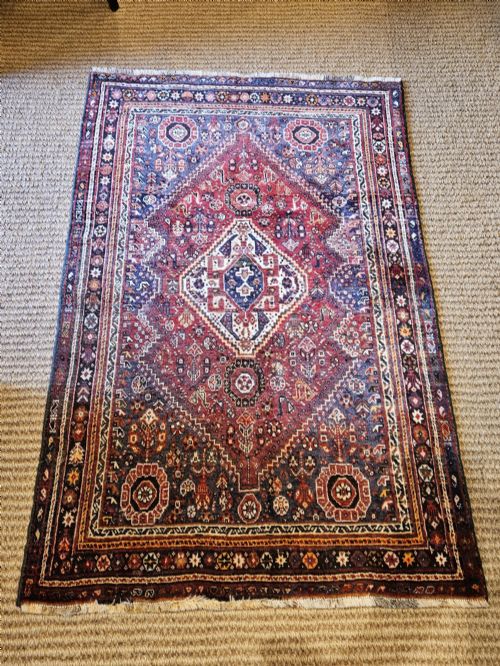
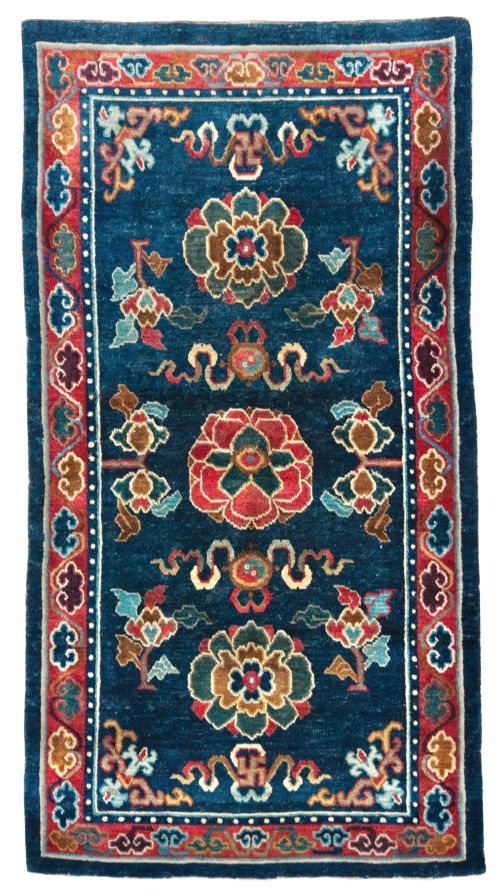
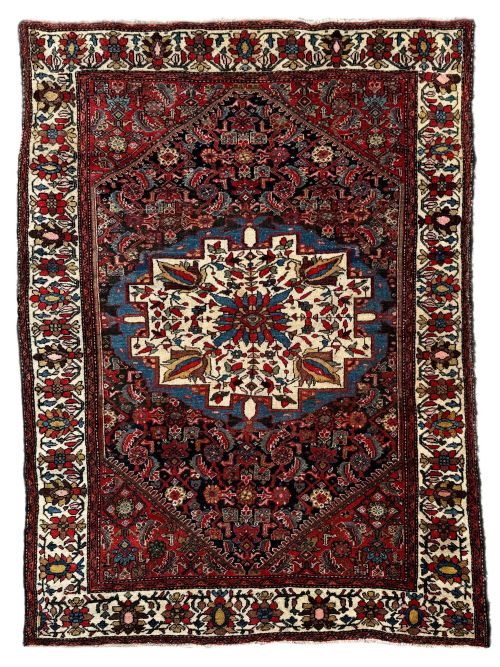
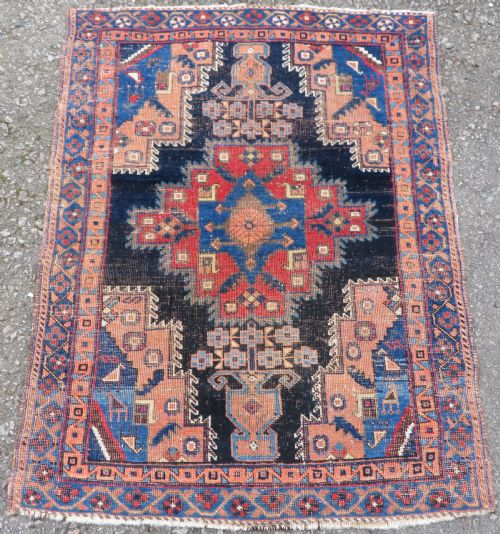
A handwoven oriental hearth rug is a floor covering created in regions spanning Persia, Turkey, Tibet and the Caucasus during the late nineteenth and early twentieth centuries. These pieces encompass village, tribal and regional weaving traditions, appearing in styles such as Persian, Anatolian Tribal, Tibetan, Malayer and Caucasian.
Buyers browsing this selection will most frequently encounter Persian styles including Saroq, Bidjar, Gabbeh, Afshar and Malayer, alongside Turkish village rugs and Caucasian pieces. The forms are predominantly smaller area rugs and hearth-sized formats well suited for placement in front of a fireplace.
Originating across periods from the 1890s through to the 1930s, these rugs display diverse regional aesthetics ranging from star medallion patterns to tribal designs. Each piece reflects the specific weaving heritage of its maker, whether from a Persian workshop, an Anatolian village or a Tibetan household.
How they were made
The construction of these rugs relies primarily on natural textile fibres, with wool and hand-spun wool forming the pile and foundation structure. Cotton also appears in the materials recorded across these regional traditions.
Weavers knotted and wove these textiles by hand on traditional vertical or horizontal looms, applying local dyeing techniques to produce rich colour palettes. The use of hand-spun wool in particular contributes to the varied tactile qualities and dense piles observed in the surviving pieces.
Materials recorded across these pieces consist entirely of wool, cotton and hand-spun wool.
What varies in quality
Quality in these rugs is determined by the fineness of the knotting and the integrity of the materials, where hand-spun wool and dense piles indicate careful execution. The precision of the regional design, such as a star medallion or tribal motif, further separates standard village work from finer woven examples.
Condition and preservation also distinguish the pieces, with some items displaying natural distressing over time while others retain thick piles and intact borders. The consistency of the weaving across the field reflects the skill of the individual maker and the traditions of the origin region.
The Handwoven Oriental Hearth Rug Glossary
- Pile
- The upright yarn loops or tufts that form the surface of the rug. A thick pile provides greater underfoot cushioning and durability.
- Medallion
- A central decorative design motif often found in Persian and Turkish rugs. Star medallion patterns are a notable example within this grouping.
- Tribal
- Pertaining to nomadic or village weaving traditions rather than urban workshops. These designs often feature geometric patterns and expressive local motifs.
- Foundation
- The underlying structure of warp and weft threads that supports the knotted pile. Cotton and wool are typical foundation materials.
Handwoven Oriental Hearth Rug: Frequently Asked Questions
What is a hearth rug?
A hearth rug is a smaller format floor covering traditionally placed in front of a fireplace to protect flooring from sparks and provide warmth. They share the construction and artistic styles of larger carpets but are scaled for specific functional spaces.
In this selection, pieces measure around one to two metres in length, making them versatile for hearths, hallways or smaller rooms.
How should I care for an old wool rug?
Old wool rugs require gentle maintenance, primarily regular light vacuuming without a beater bar to protect the hand-spun pile and foundation. Professional cleaning suited for antique textiles helps preserve the natural wool fibres.
Placing the rug in low-traffic areas or away from direct, harsh sunlight prevents excessive wear and fading over time.
What does tribal mean in these rugs?
Tribal designation indicates that a rug was woven by nomadic or semi-nomadic groups rather than in a city workshop. These pieces often feature memory-driven geometric patterns, bold colour contrasts and expressive local symbolism.
Styles such as Afshar, Gabbeh and Anatolian Tribal embody these distinct cultural traditions.