


Antique Nomad Carpet
An antique nomad carpet brings the rich visual language of tribal weavers into a modern room through enduring wool and natural dyes.
Antique Nomad Carpet
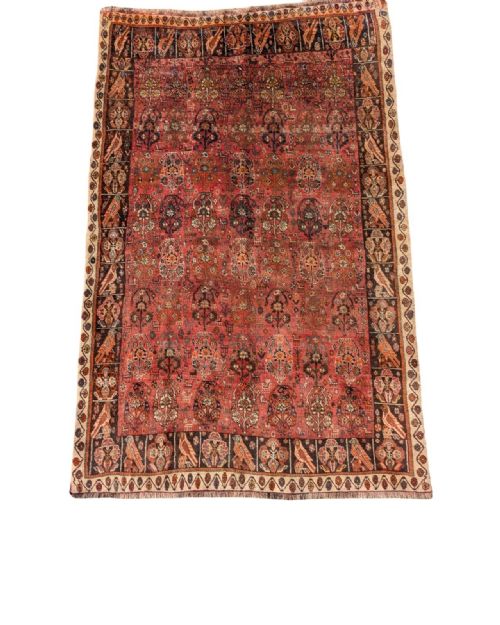
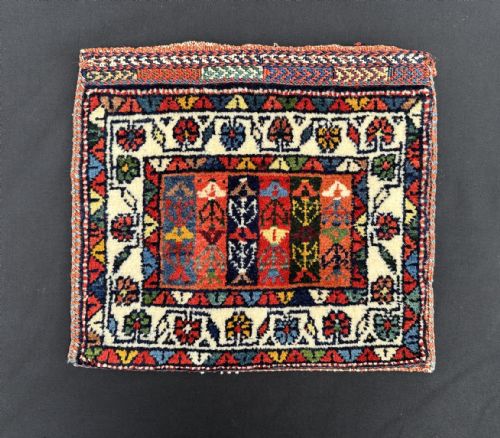
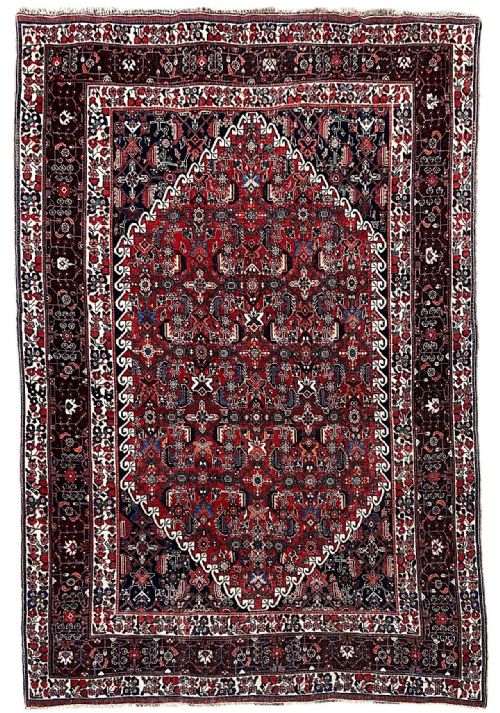
When searching for an antique nomad carpet, buyers encounter hand-knotted and flat-woven textiles produced by tribal groups across Persia, Central Asia, and the Caucasus. These pieces include full-sized carpets, runner rugs, and smaller utilitarian items such as torba faces, chuvals, salt bags, and saddlebags.
The selections on this page are dominated by regional tribal groups such as the Qashqai, Tekke Turkmen, Afshar, Baluch, and Shahsevan. Pieces span from the mid-nineteenth century through the early twentieth century, reflecting the traditional motifs and weaving habits of pastoral communities.
Materials and construction methods
Weavers relied primarily on hand-spun wool, often supplemented by cotton foundations, goat hair, and occasional camel wool for texture and durability. These organic fibres were dyed using natural dyes derived from plants and minerals, creating complex shades that deepen over time.
Tribal makers constructed these rugs and bags using localized knotting techniques and flat-weave methods such as kilim, tailored to the functional demands of nomadic life. The structural integrity depends on tight packing of the foundation warps and wefts to protect the pile.
Several bags retain their original bird and animal motifs, keeping small symbolic guards woven by nomads to watch over household belongings.
Evaluating the standard of execution
Quality in these textiles rests upon the fineness of the knotting and the precision with which traditional geometric or pictorial motifs are rendered. Superior examples demonstrate careful control over pile height and symmetry across the field.
The vibrancy and condition of the natural dyes play a definitive role in distinguishing high-level pieces. Depth of colour saturation and minimal intervention to the original structure mark the distinction between ordinary utility items and exceptional survivals.
Tekke Turkmen·Qashqai Tribes·Afshar Nomads·Shahsavan Nomads
The Antique Nomad Carpet Glossary
- Chuval
- A large storage bag made by Turkmen nomads, often featuring rows of guls on the face. These were used inside tents for storing household goods.
- Torba
- A smaller wall-hanging storage bag produced by Turkmen and other Central Asian tribes. They usually hung inside the nomad dwelling for smaller possessions.
- Gul
- A primary octagonal or repeating medallion motif used extensively in Turkmen tribal weaving. Each pattern often identifies a specific clan or sub-tribe.
- Kilim
- A flat-woven textile produced without a pile by tightly interweaving warp and weft strands. These rugs offer lightweight durability and sharp geometric designs.
- Afshar
- A tribal group originating from the Kerman province of southern Persia known for distinctive blue and red palettes and stylized bird or floral motifs.
Antique Nomad Carpet: Frequently Asked Questions
What is an antique nomad carpet?
An antique nomad carpet is a hand-woven textile created by pastoral or tribal communities for daily use, transport, or household storage. These pieces utilise traditional motifs passed down through generations.
The materials typically consist of hand-spun wool and natural dyes on wool or cotton foundations, reflecting the specific geographic region of the weaving tribe.
How were these tribal bags used?
Bags such as torbas, chuvals, and salt bags served practical storage functions within nomadic tents. Families used them to pack belongings during seasonal migrations or to organise household items.
Over time, collectors separated many of these decorative face panels from their original backings to preserve the intricate front weaving.
How do I care for an antique rug?
Living with these textiles requires gentle maintenance, such as regular light vacuuming without a rotating brush bar. Keeping them away from direct, harsh sunlight preserves the stability of the natural dyes.
Professional cleaning tailored to antique wool textiles ensures the foundation remains strong without stripping natural lanolin from the fibres.